This post is also available in Russian 🐻
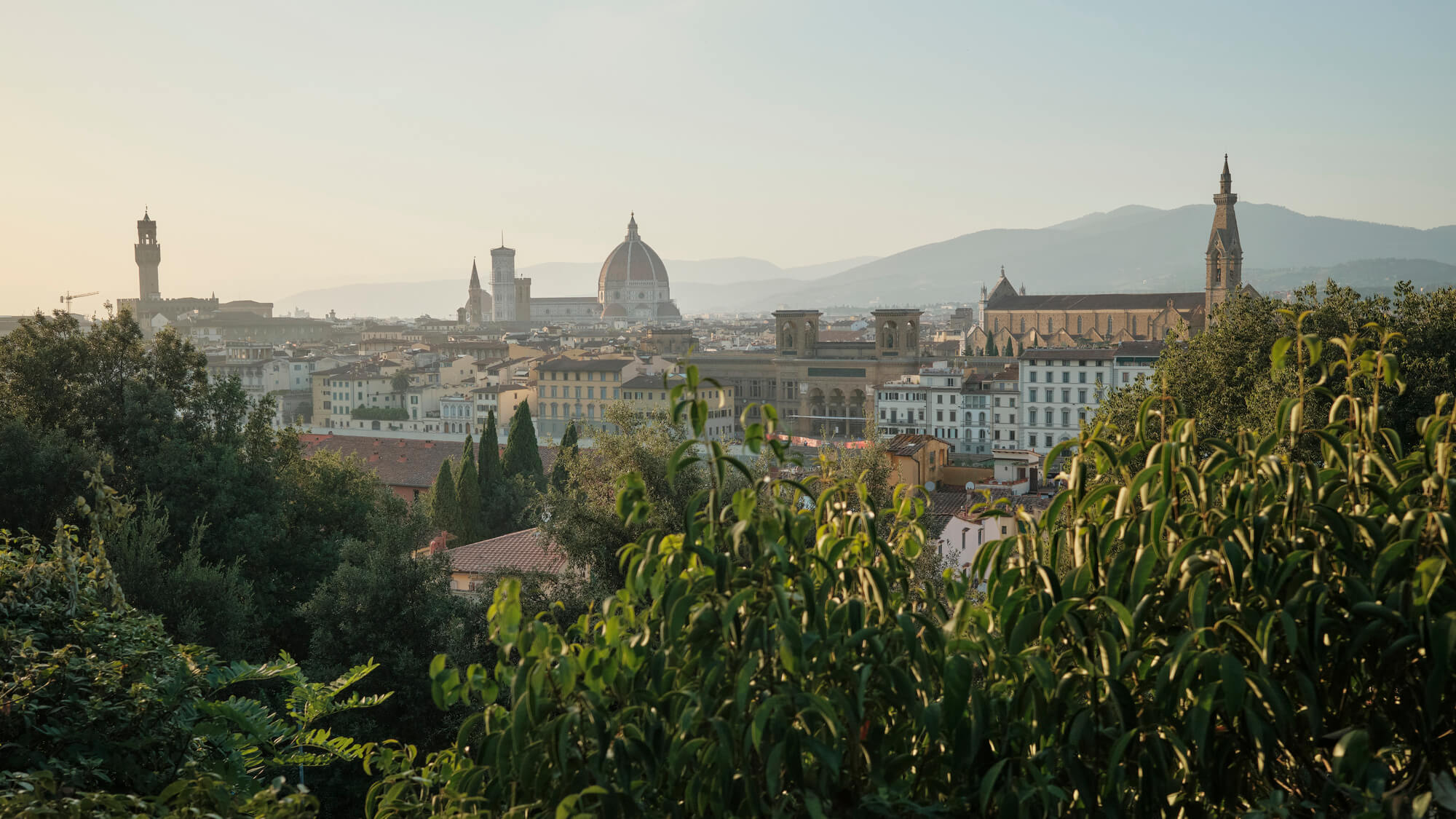
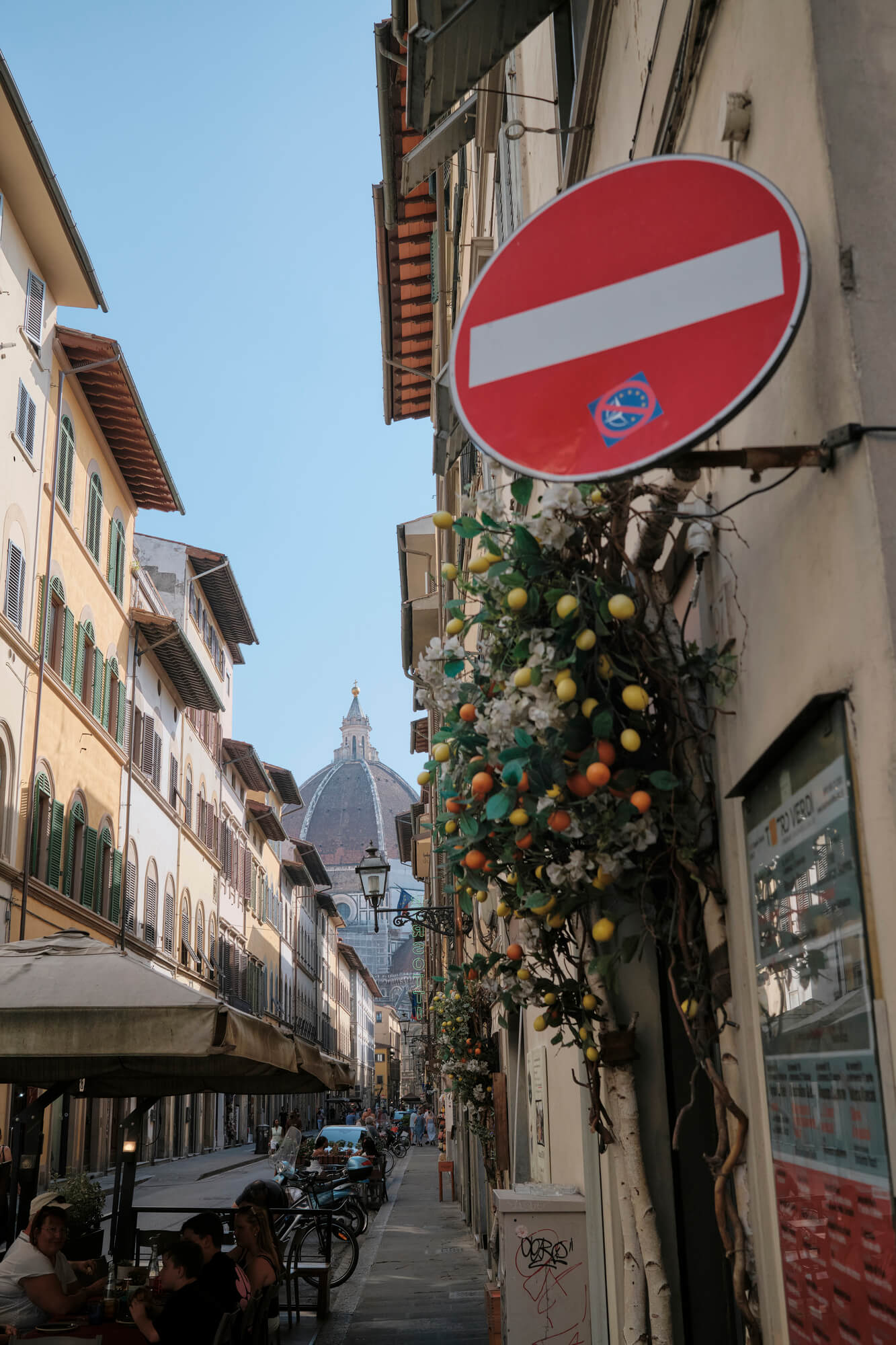
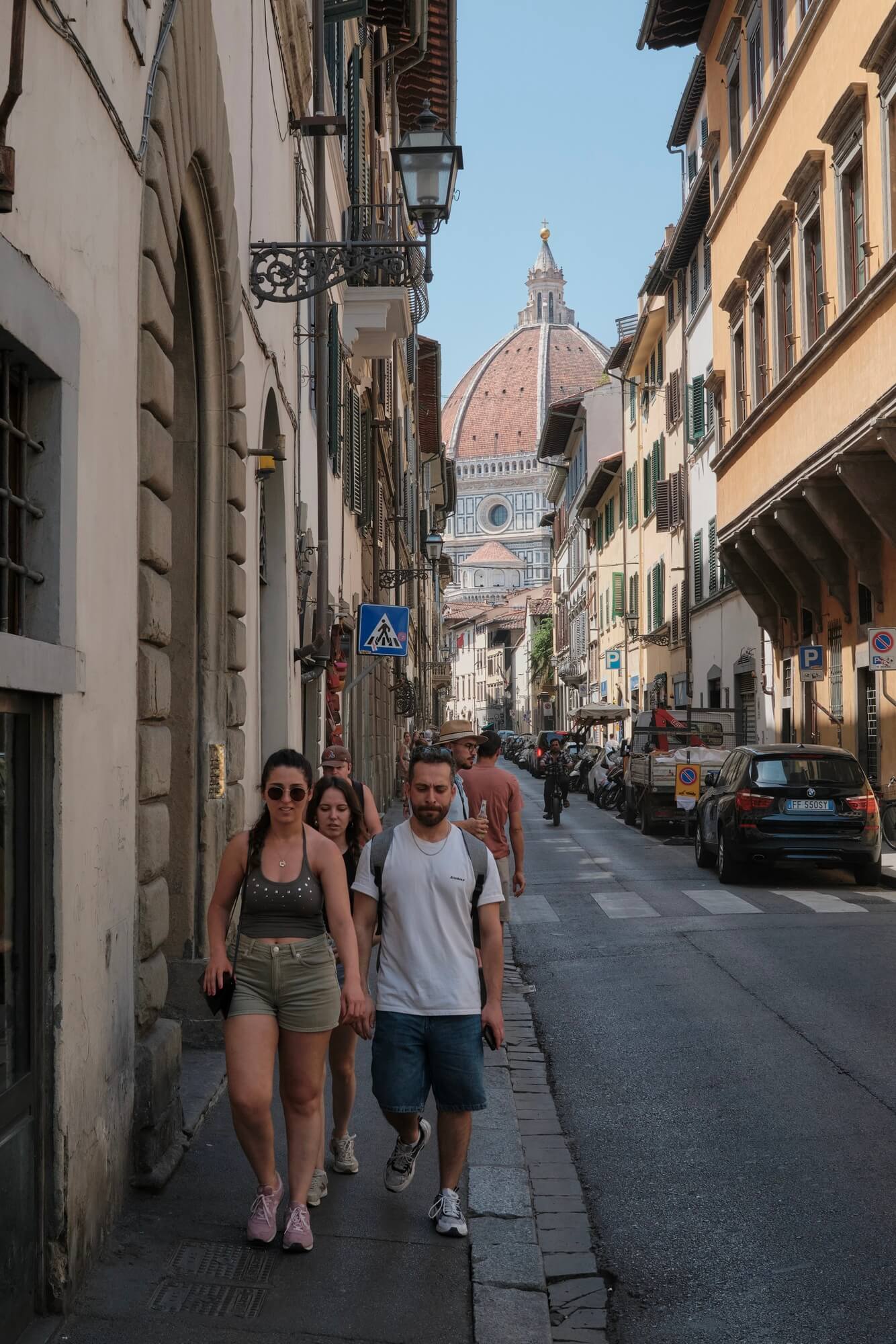
Upon my first visit to Florence I didn’t get what all the fuss was really about. It appeared to be yet another European city with a cute historical center and vast art collections. Certainly above average, but not undoubtedly exceptional.
That was eons ago — I was in my twenties, with historical context slightly above that of a dung fly, and just enough cultural literacy to read a McDonald’s sign.
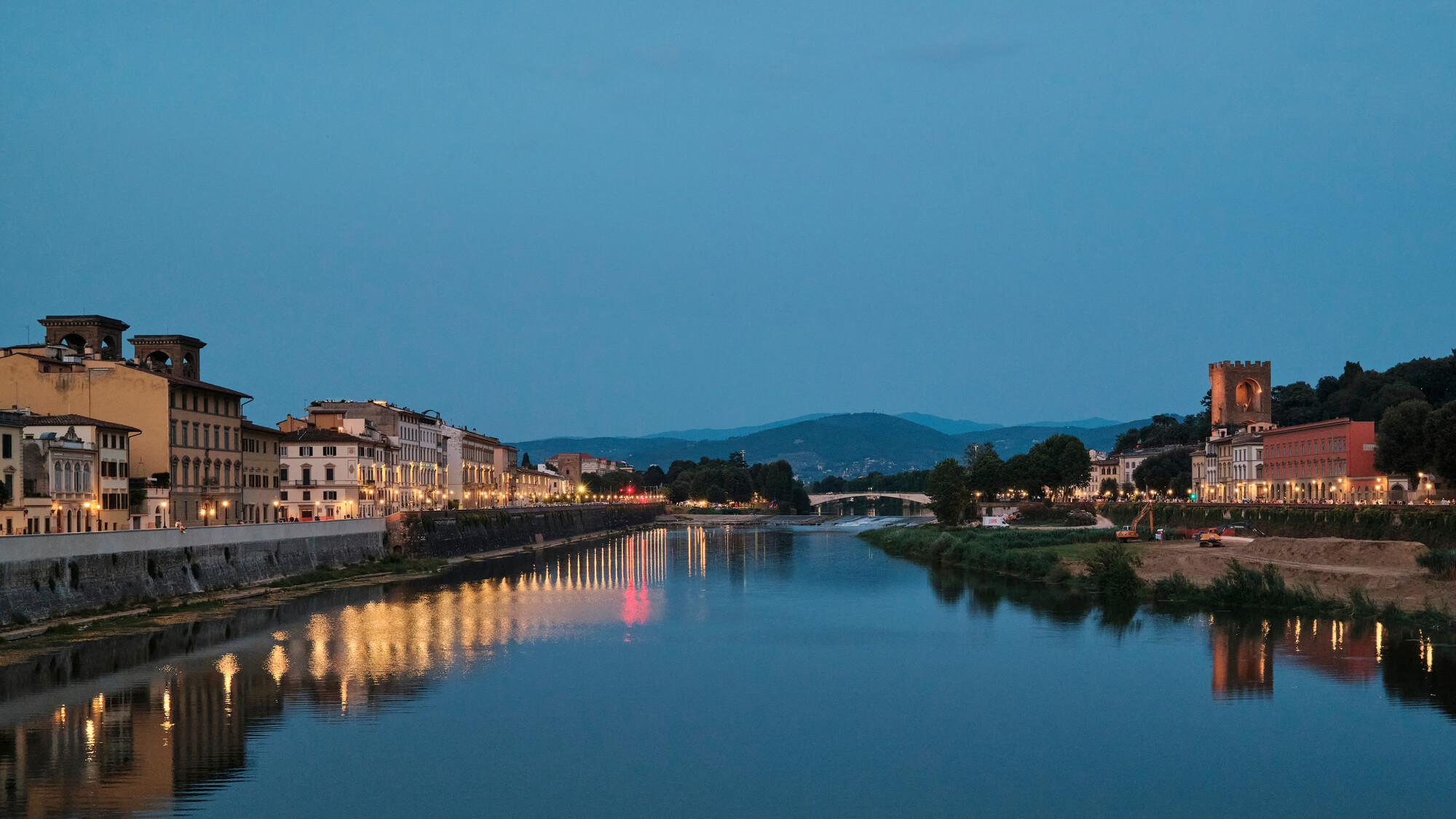
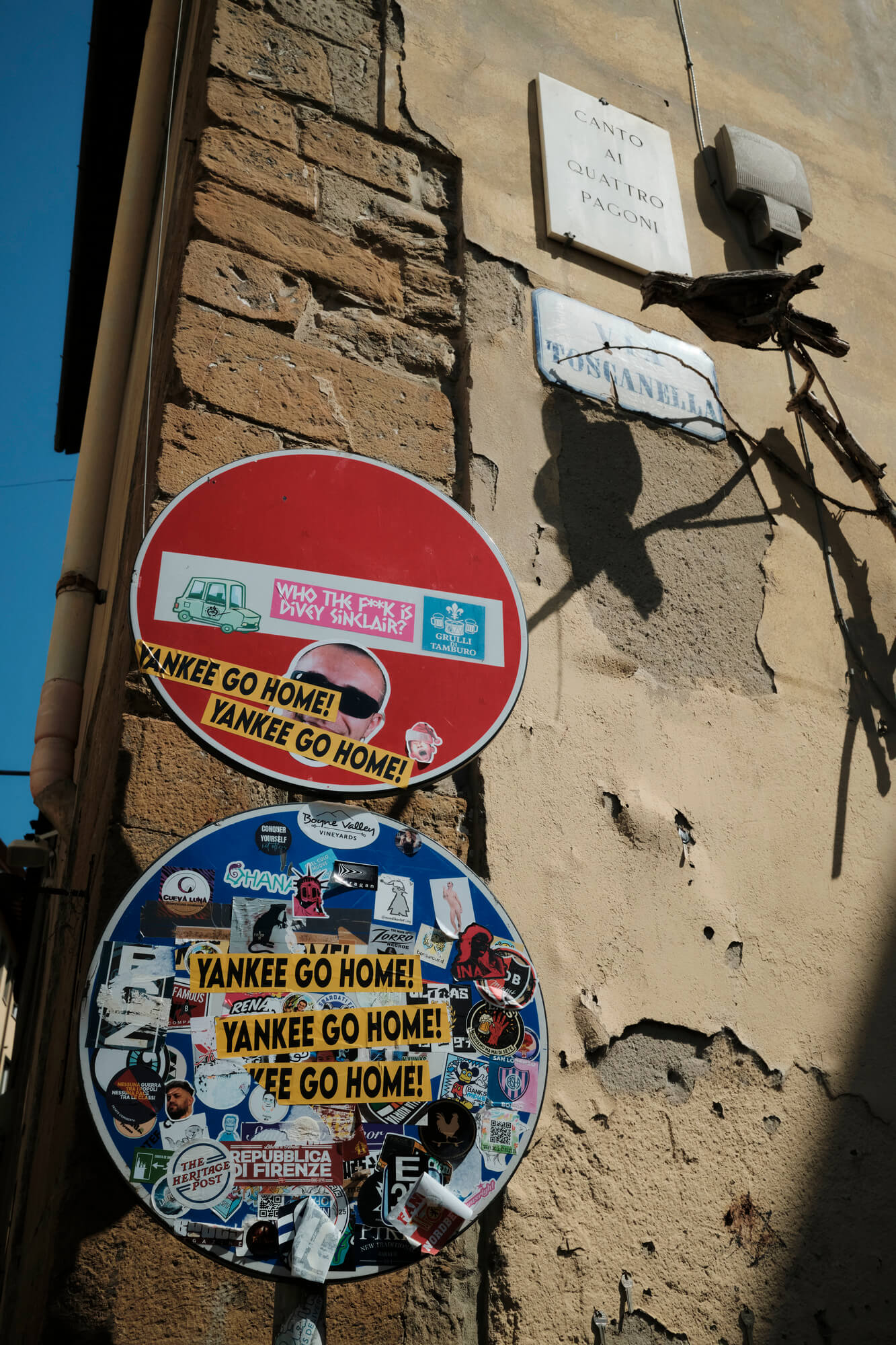
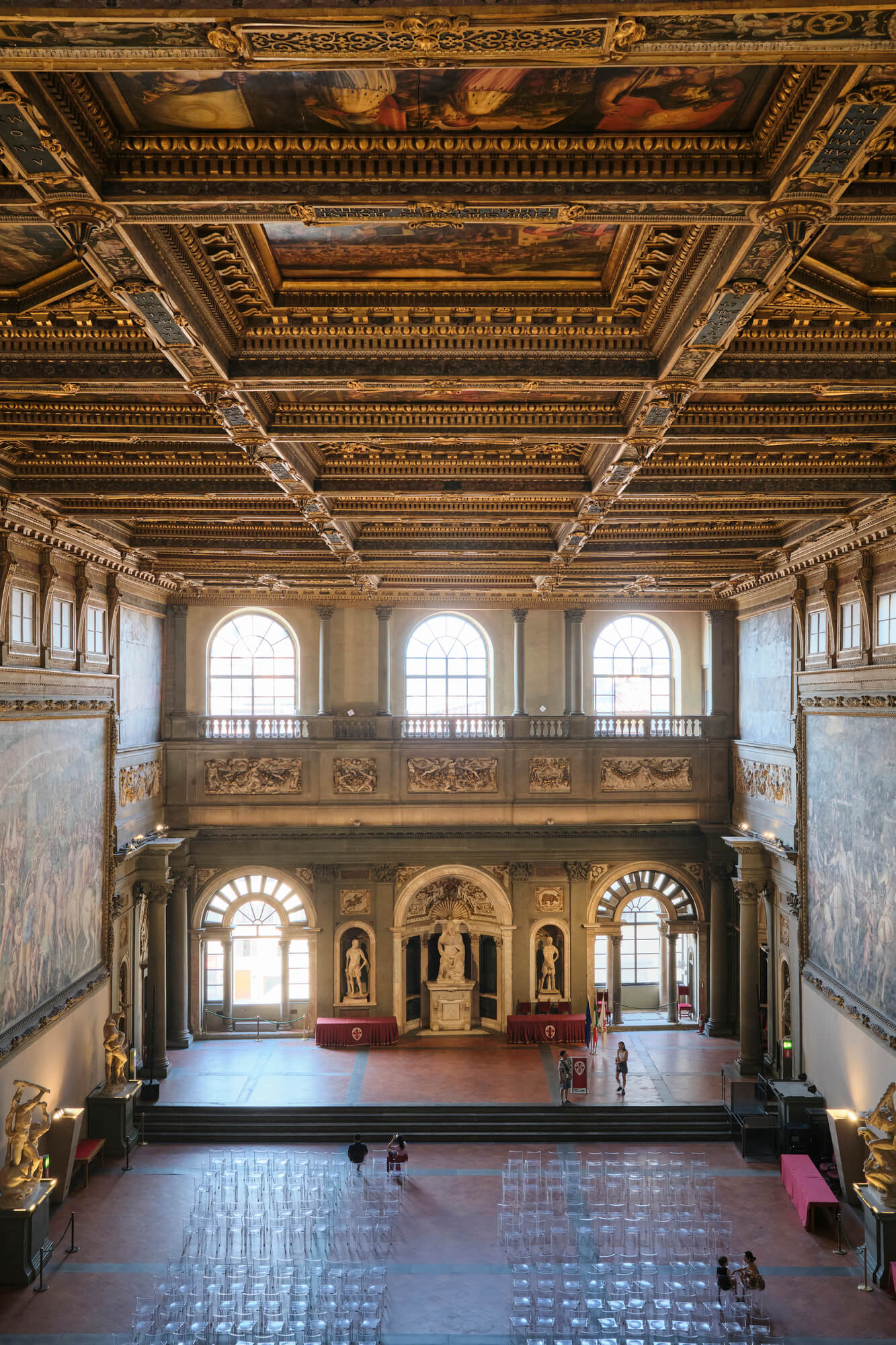
Yet I was expecting to get the infamous Stendhal syndrome right on the spot, which, of course, never happened — not on the first day, nor by the end of the trip.
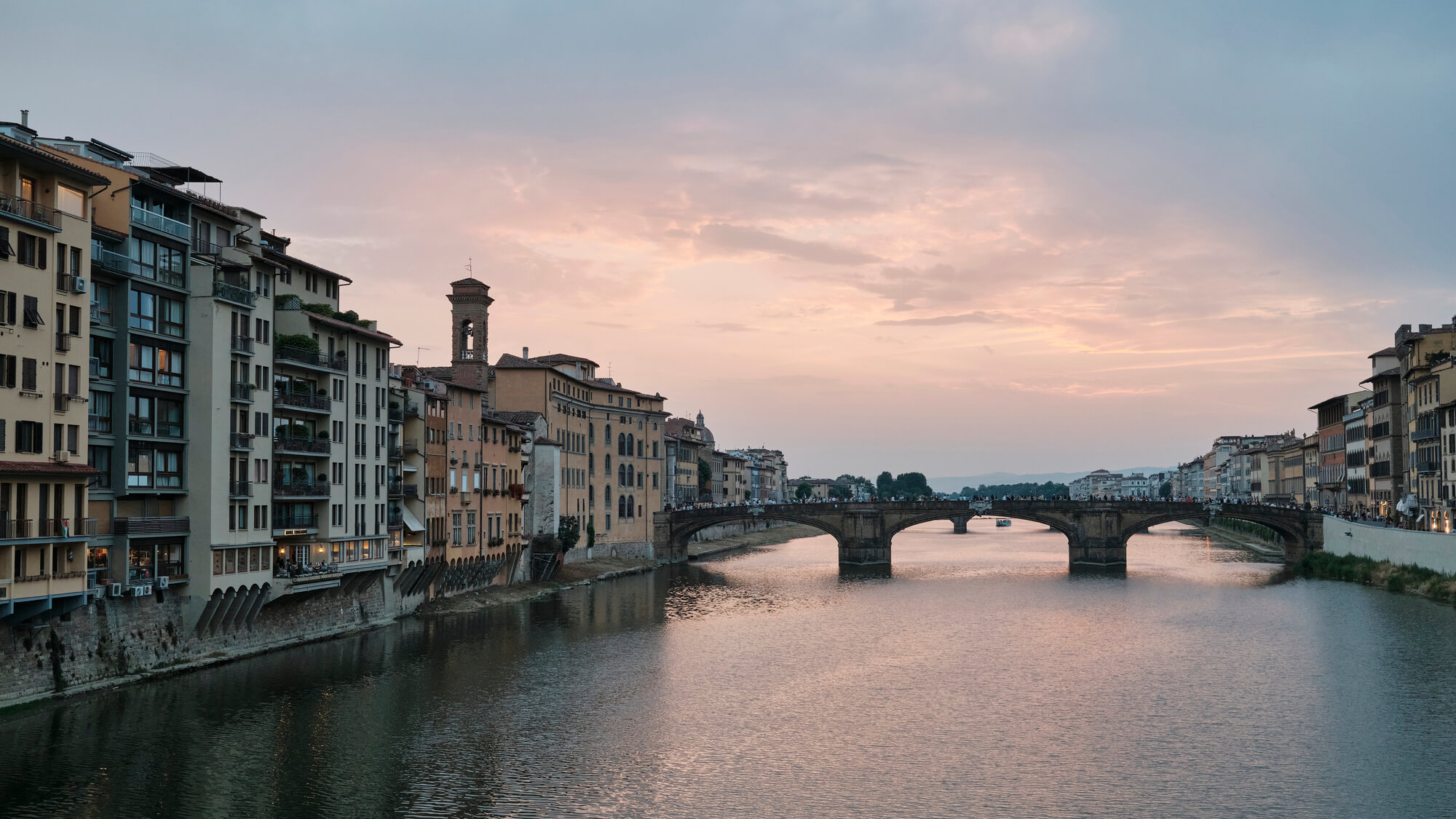
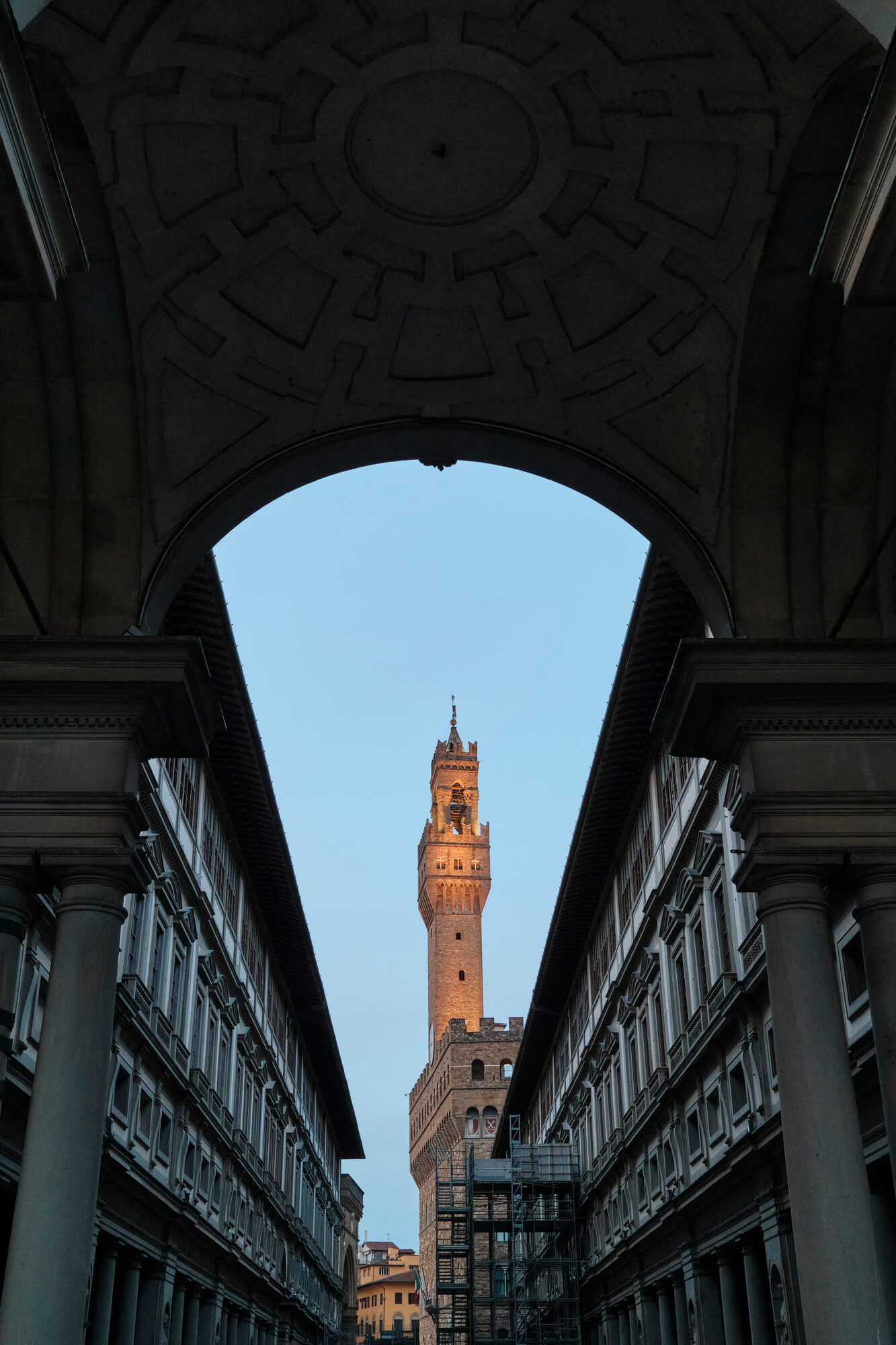
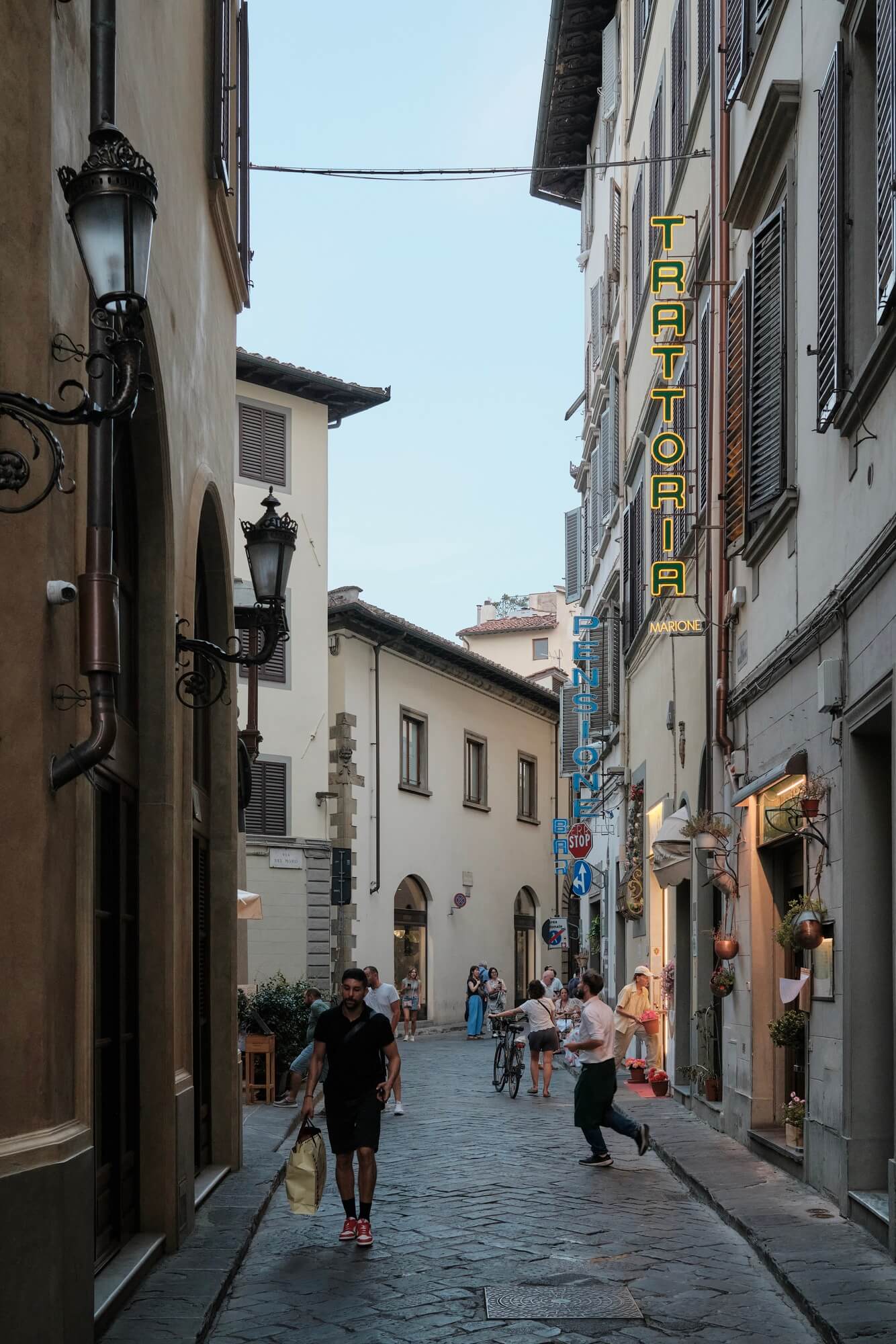
Back then, even Genoa — an eclectic port town on the Ligurian coast — left a deeper mark. Probably because its features were more pronounced and apparent.
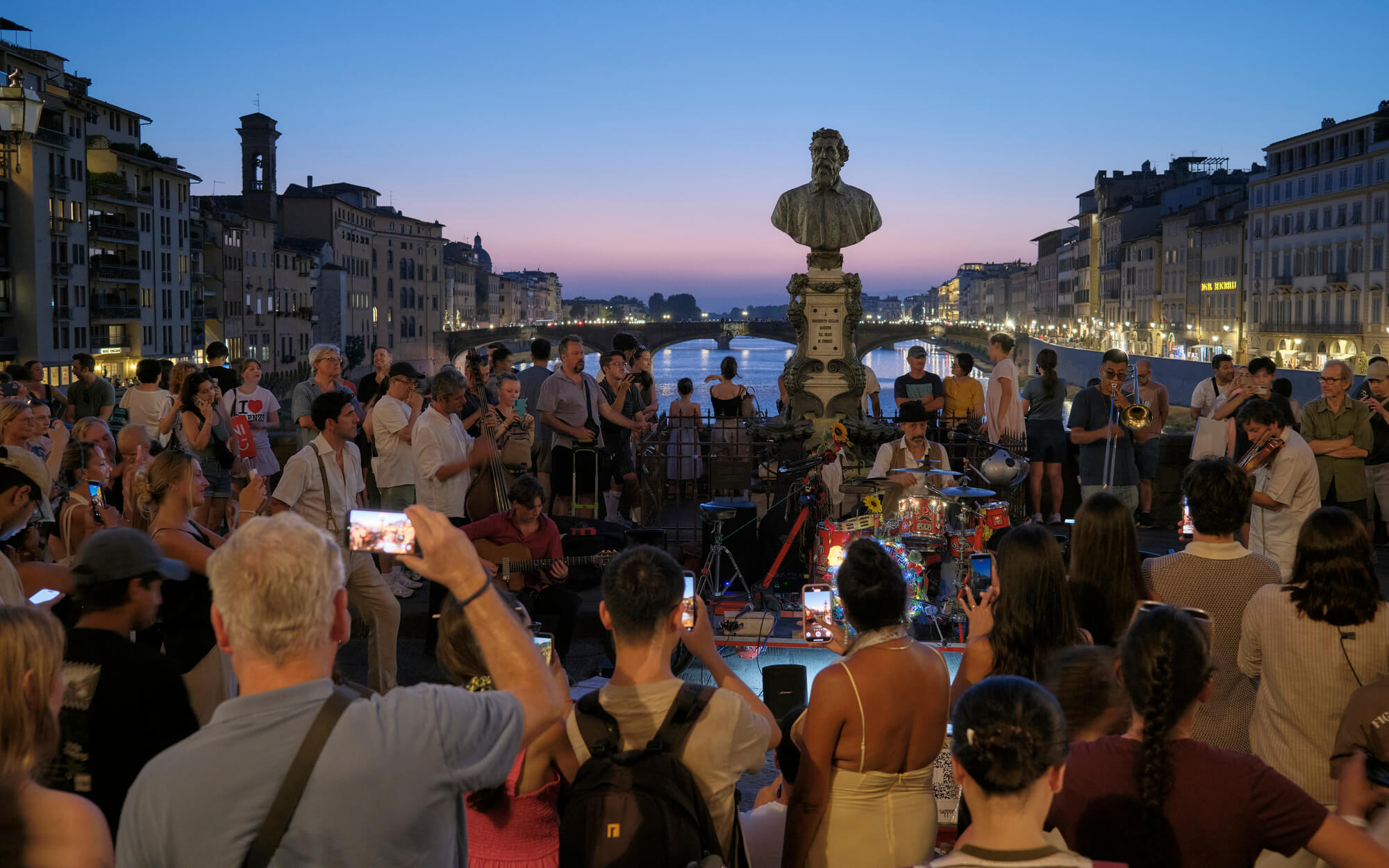
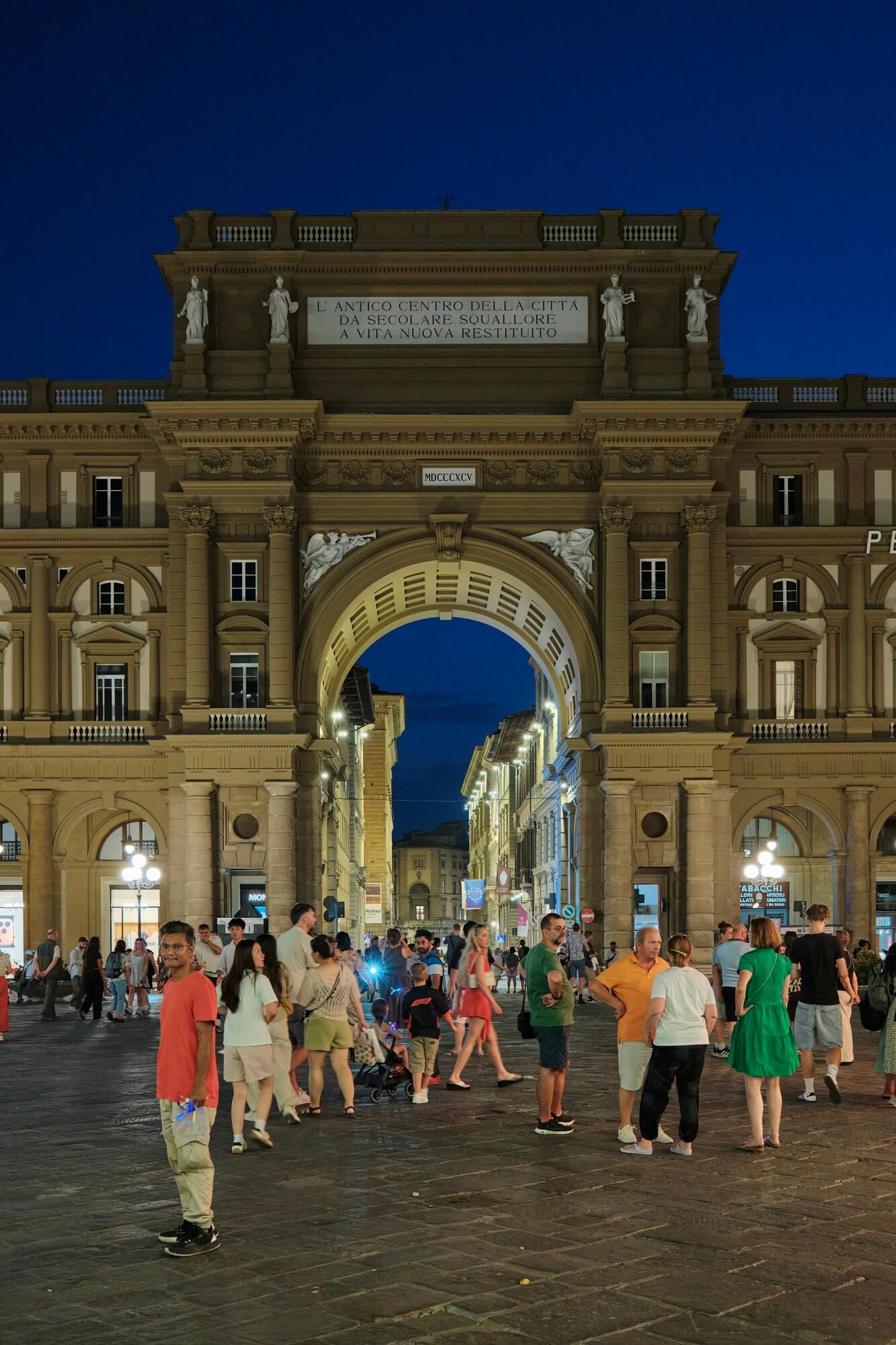
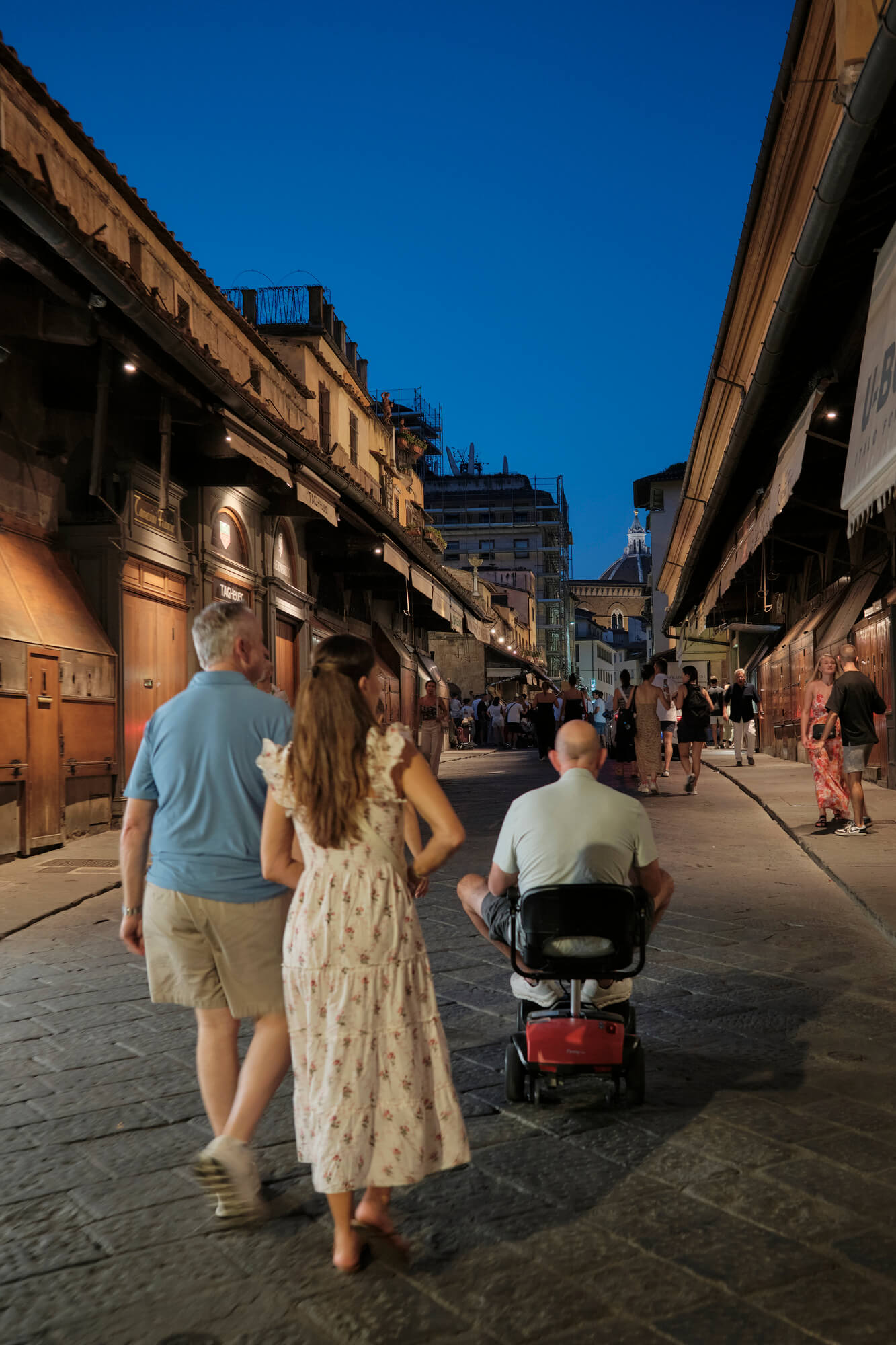
Understanding Florence turned out to be hard work that demanded either a degree in history or art, or a lot of unnecessarily sophisticated homework.
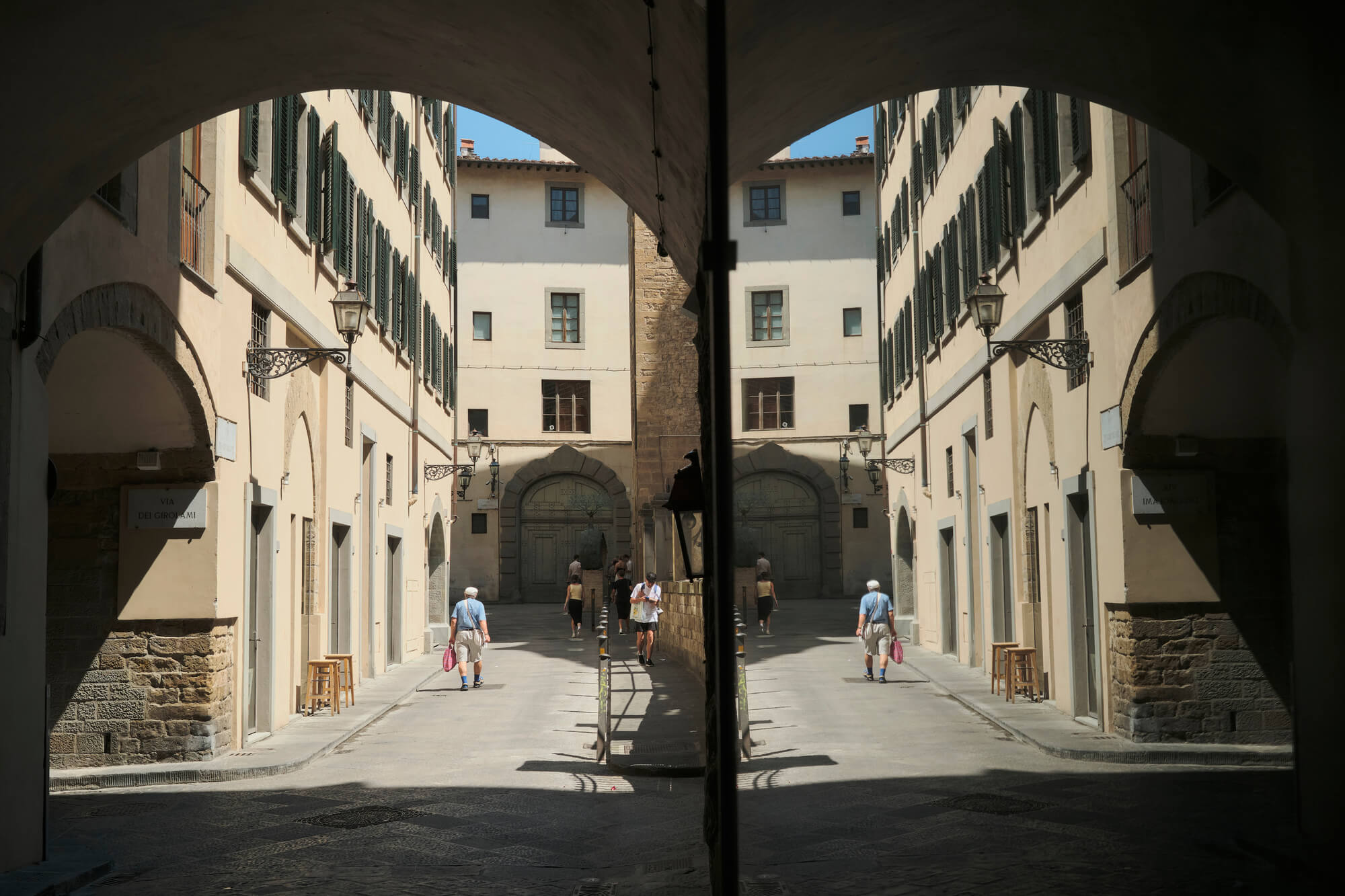
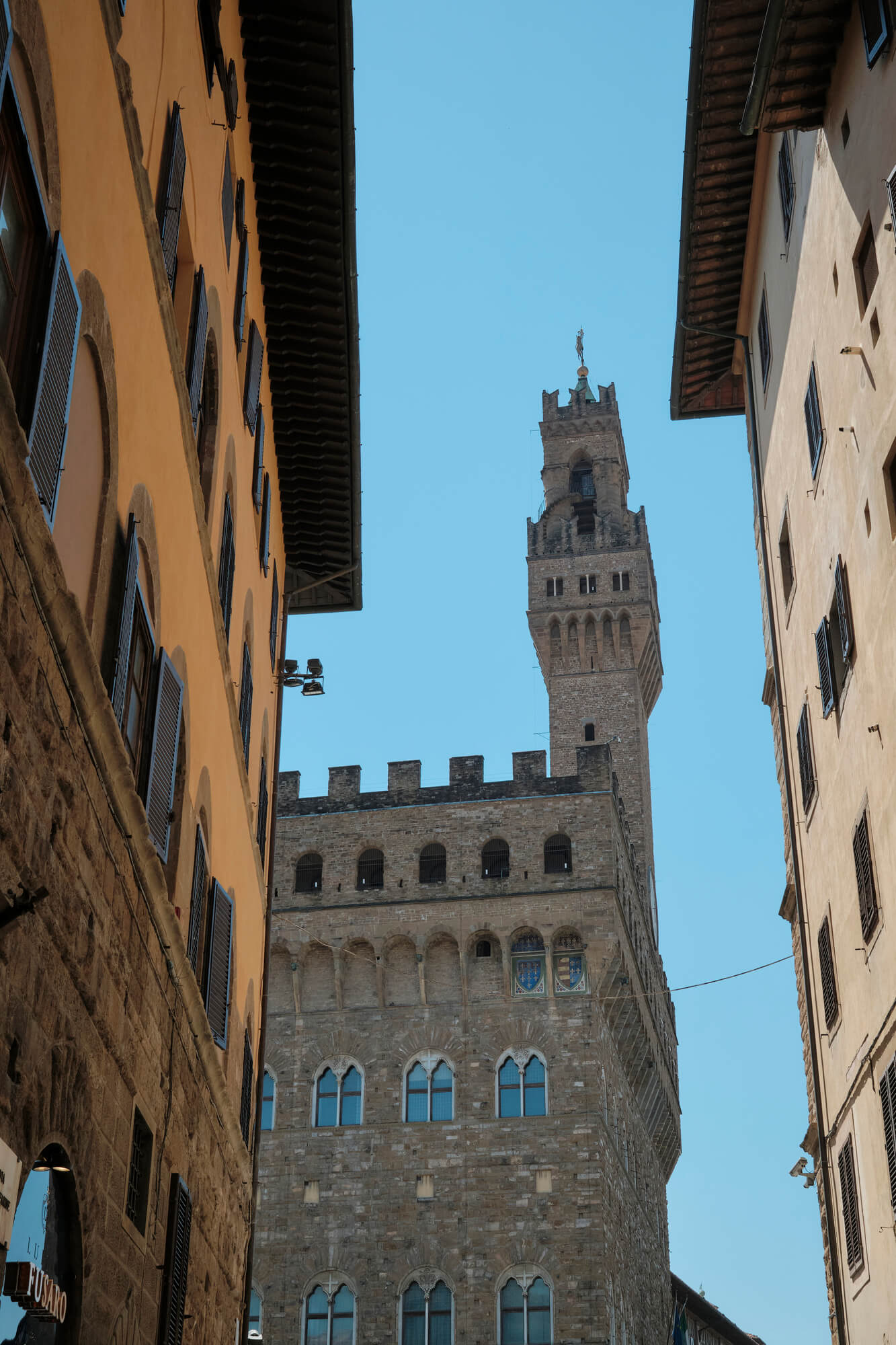
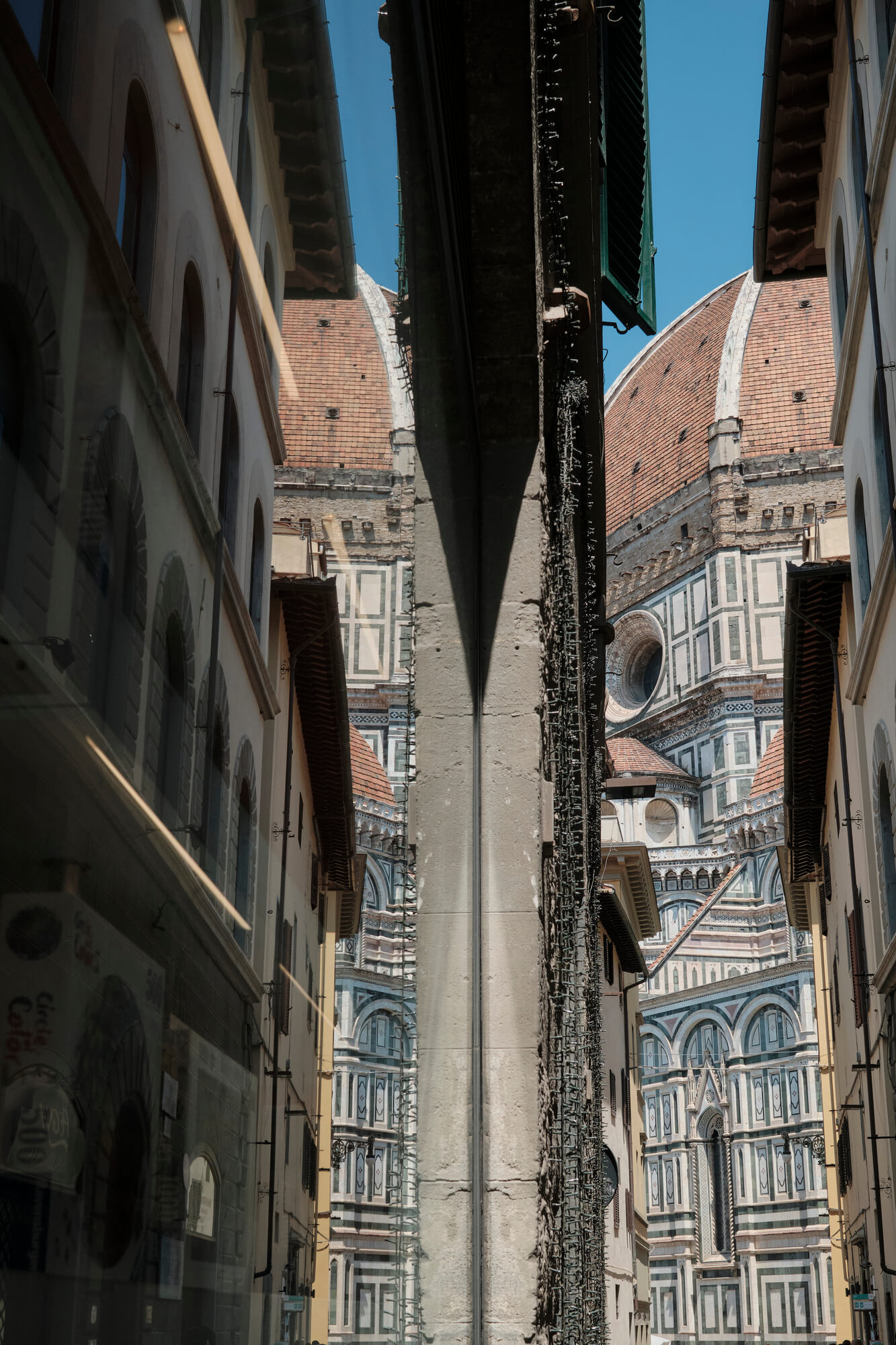
Revisiting Florence, I was approaching my forties, with most of Europe seen, a hundred more books read, and some major art galleries explored.
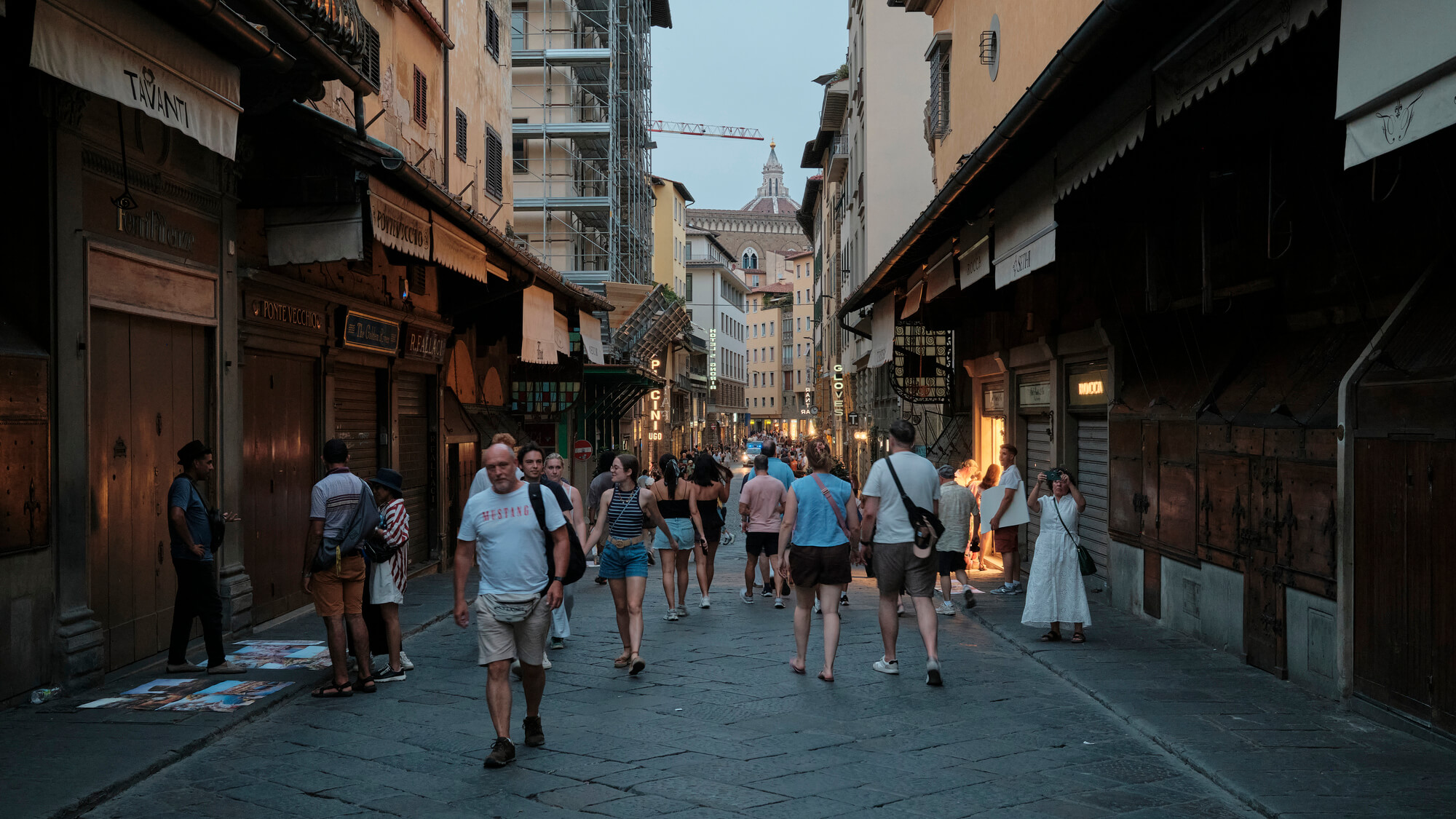
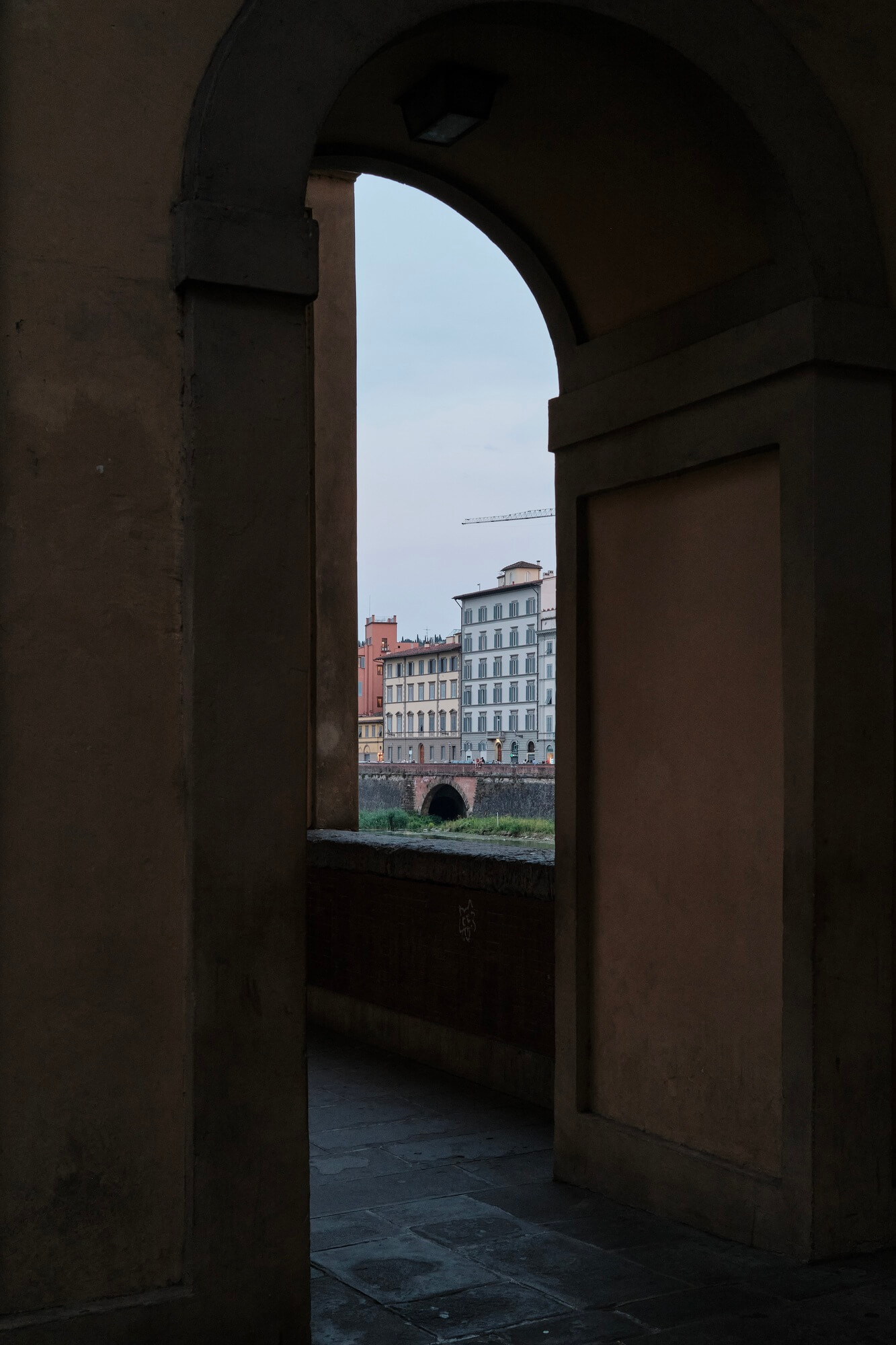
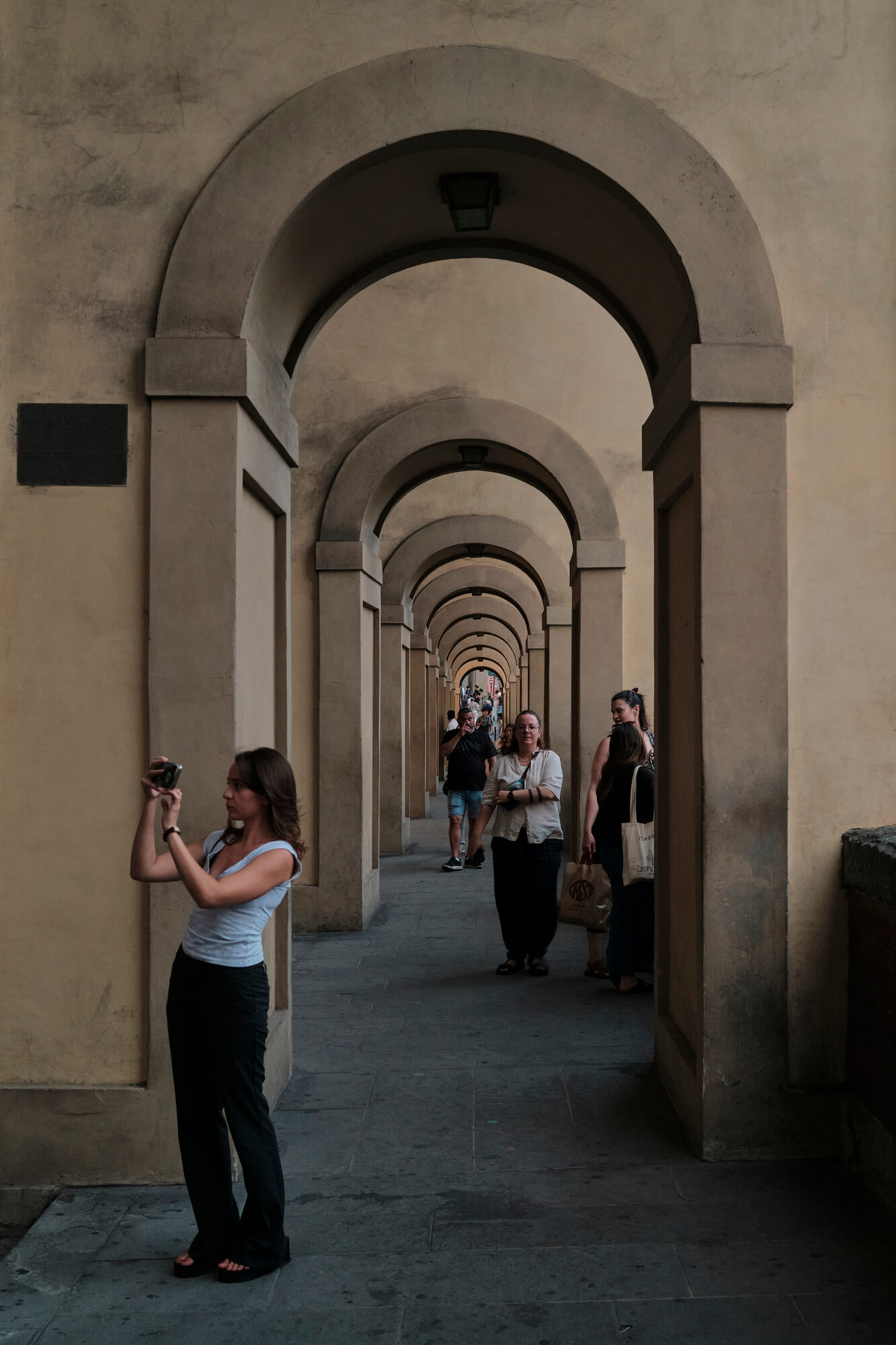
As an old fart, I gave up all hope of being sensitive enough for my long-overdue dose of the Stendhal syndrome, or at least some life-changing experience.
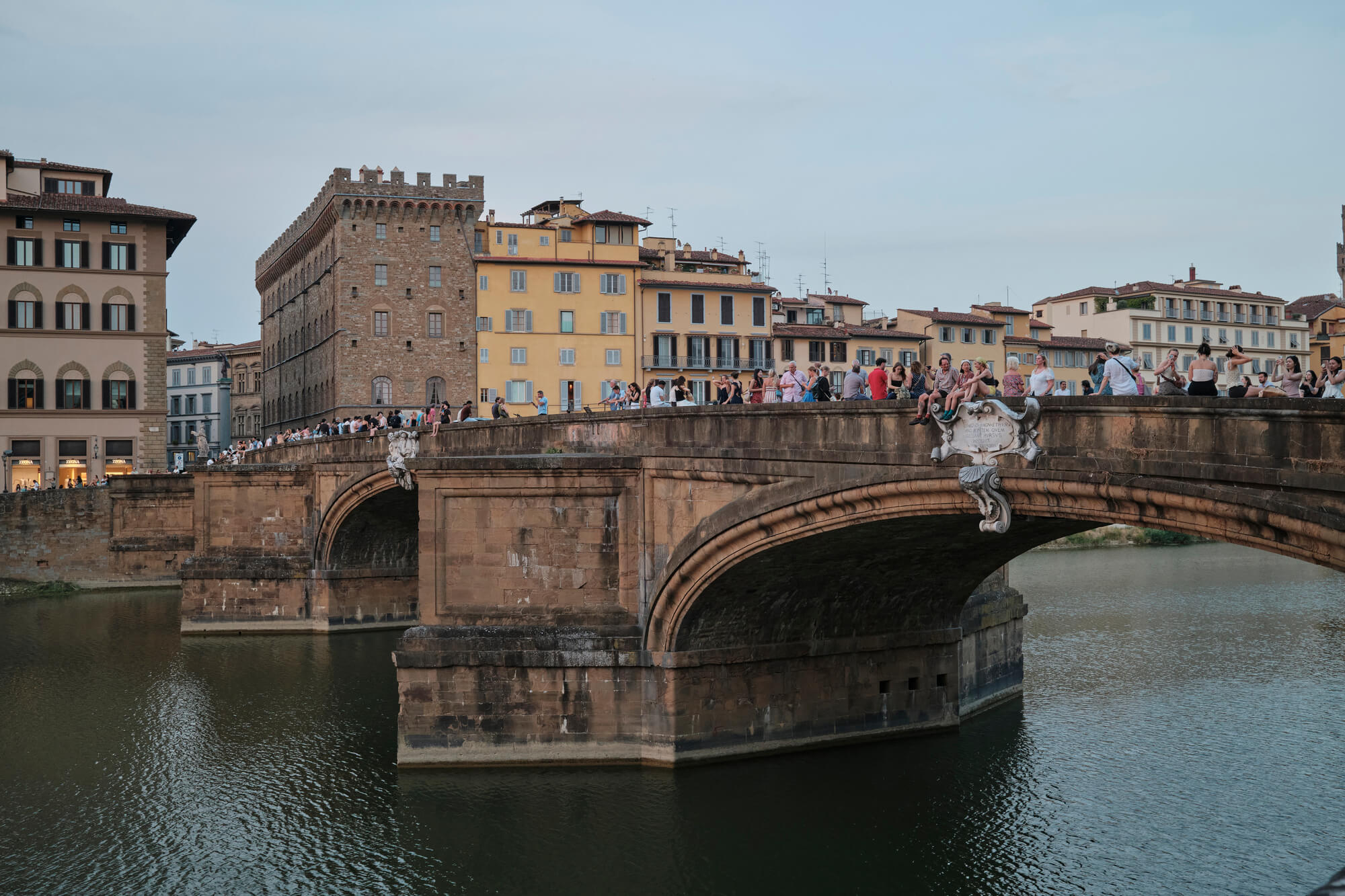
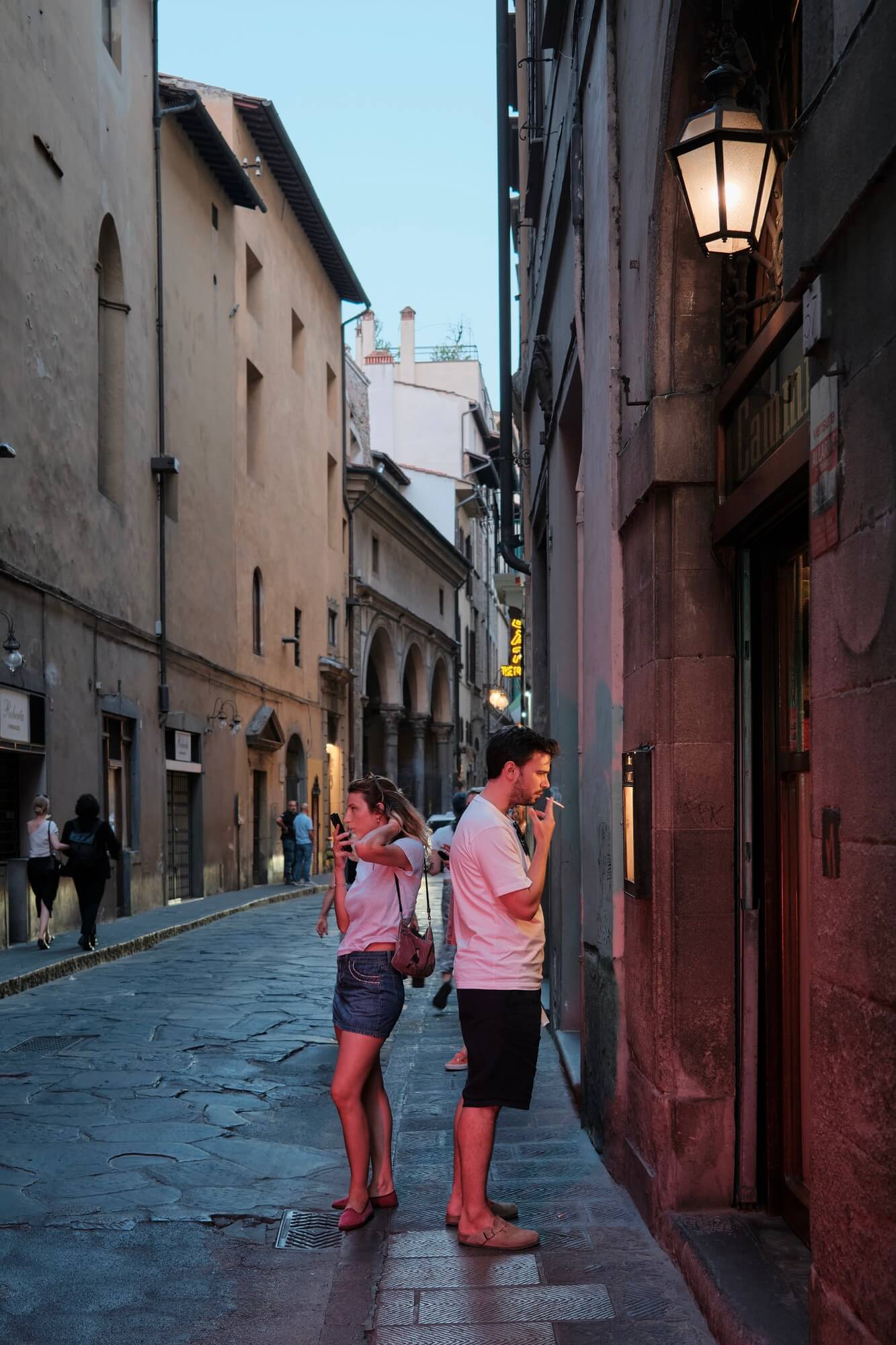
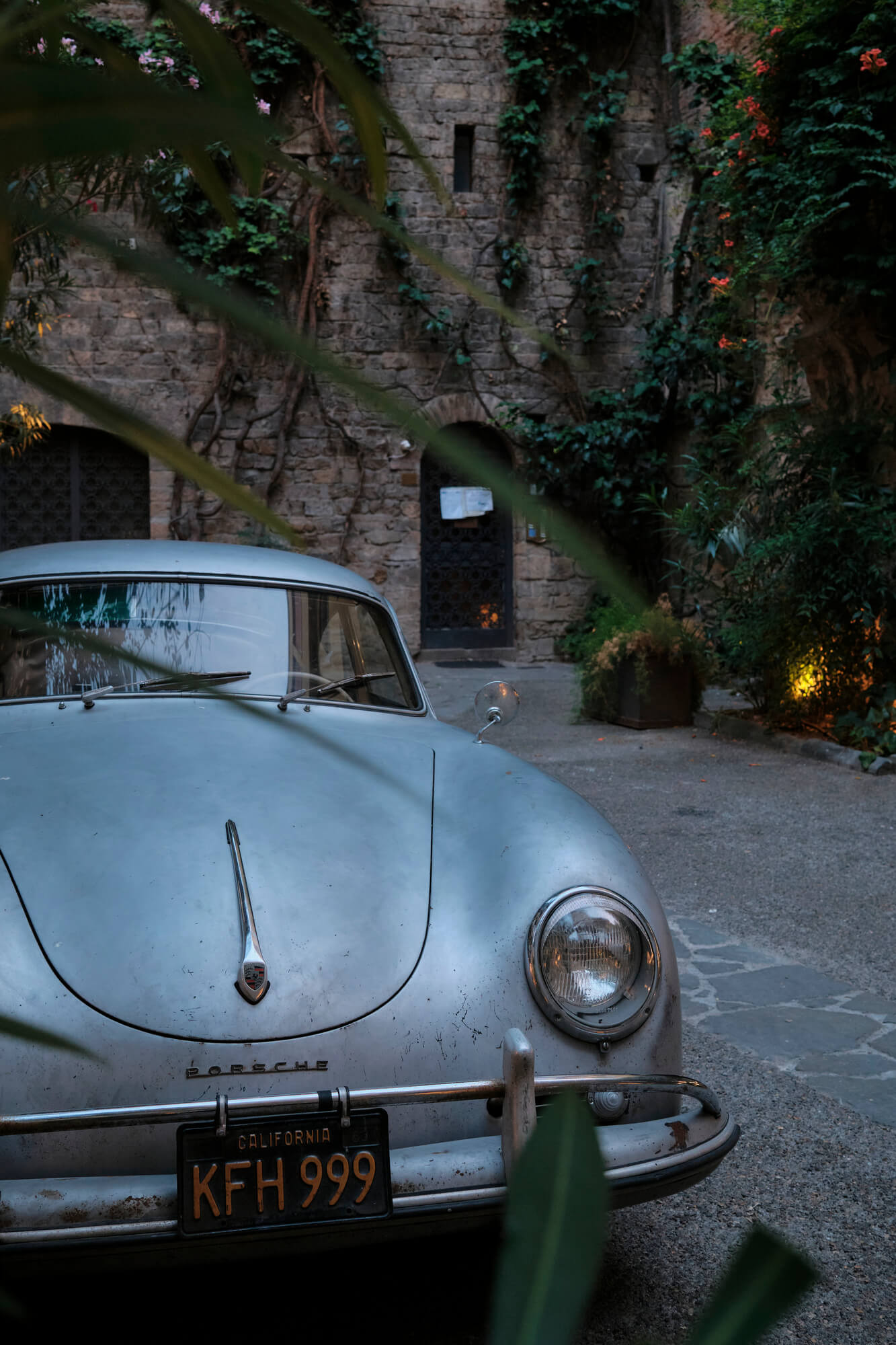
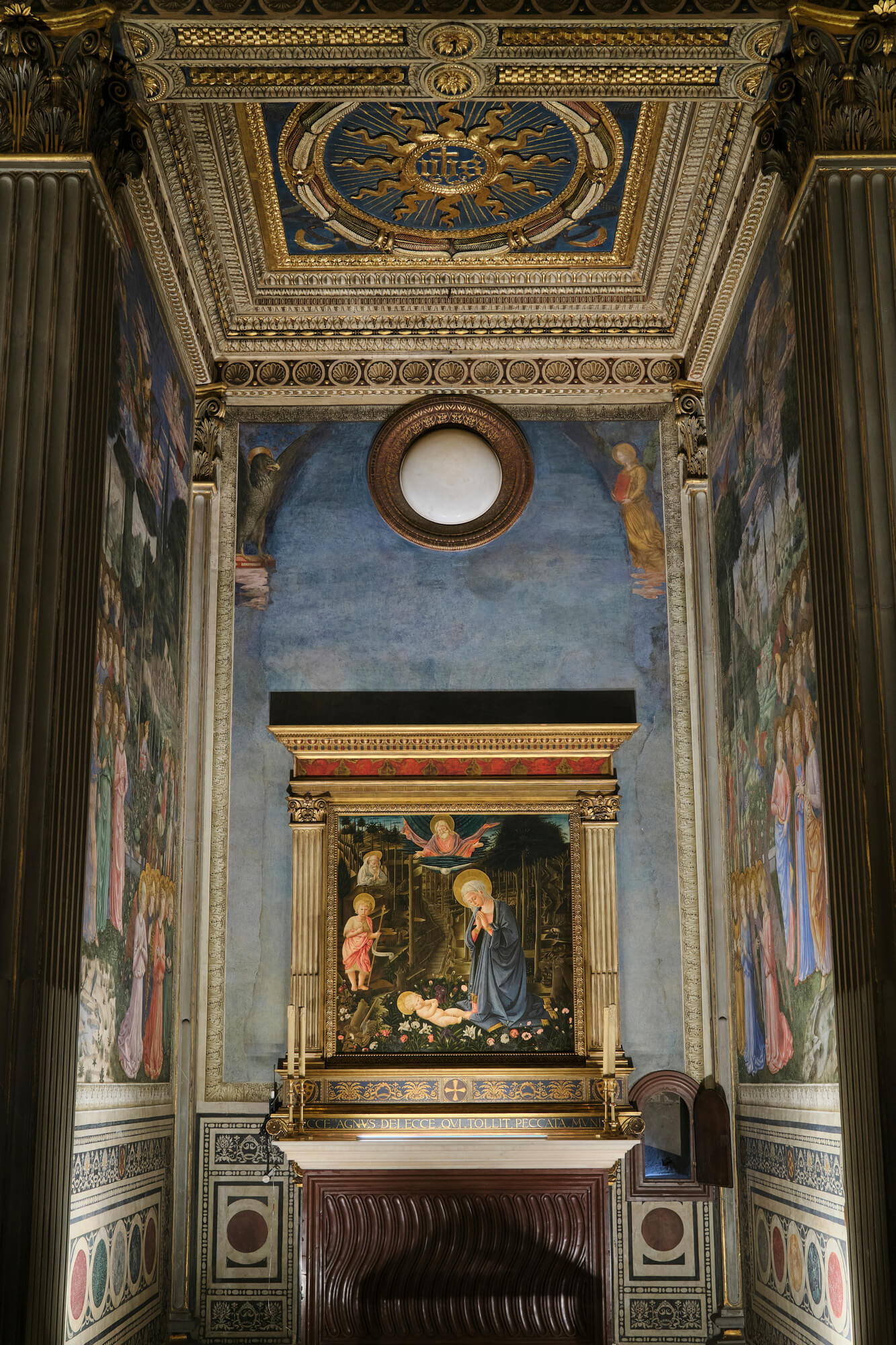
But I was finally able to appreciate the enormity of artistic power accumulated at a particular point in history, and the impact it had on our entire culture.
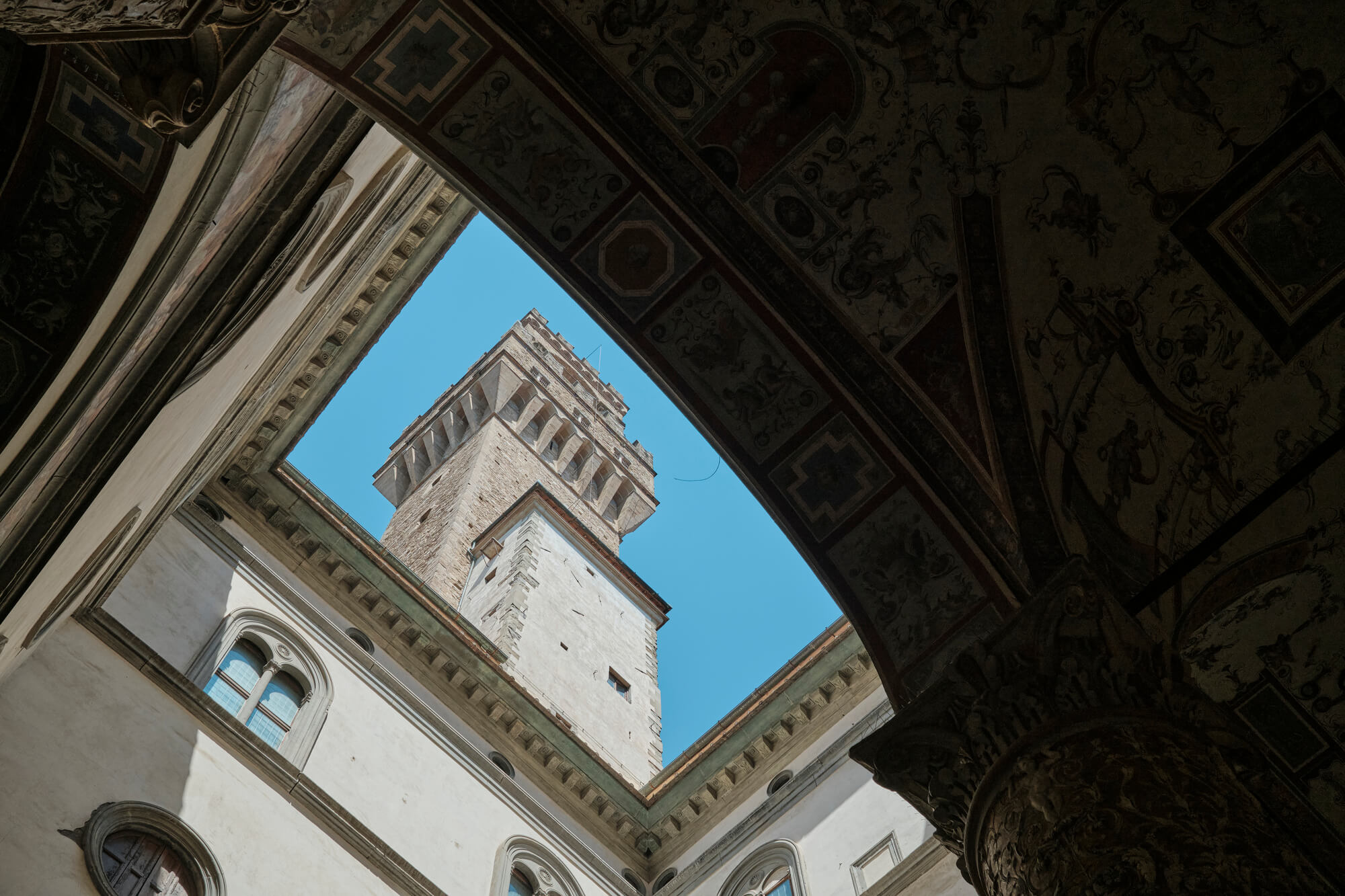
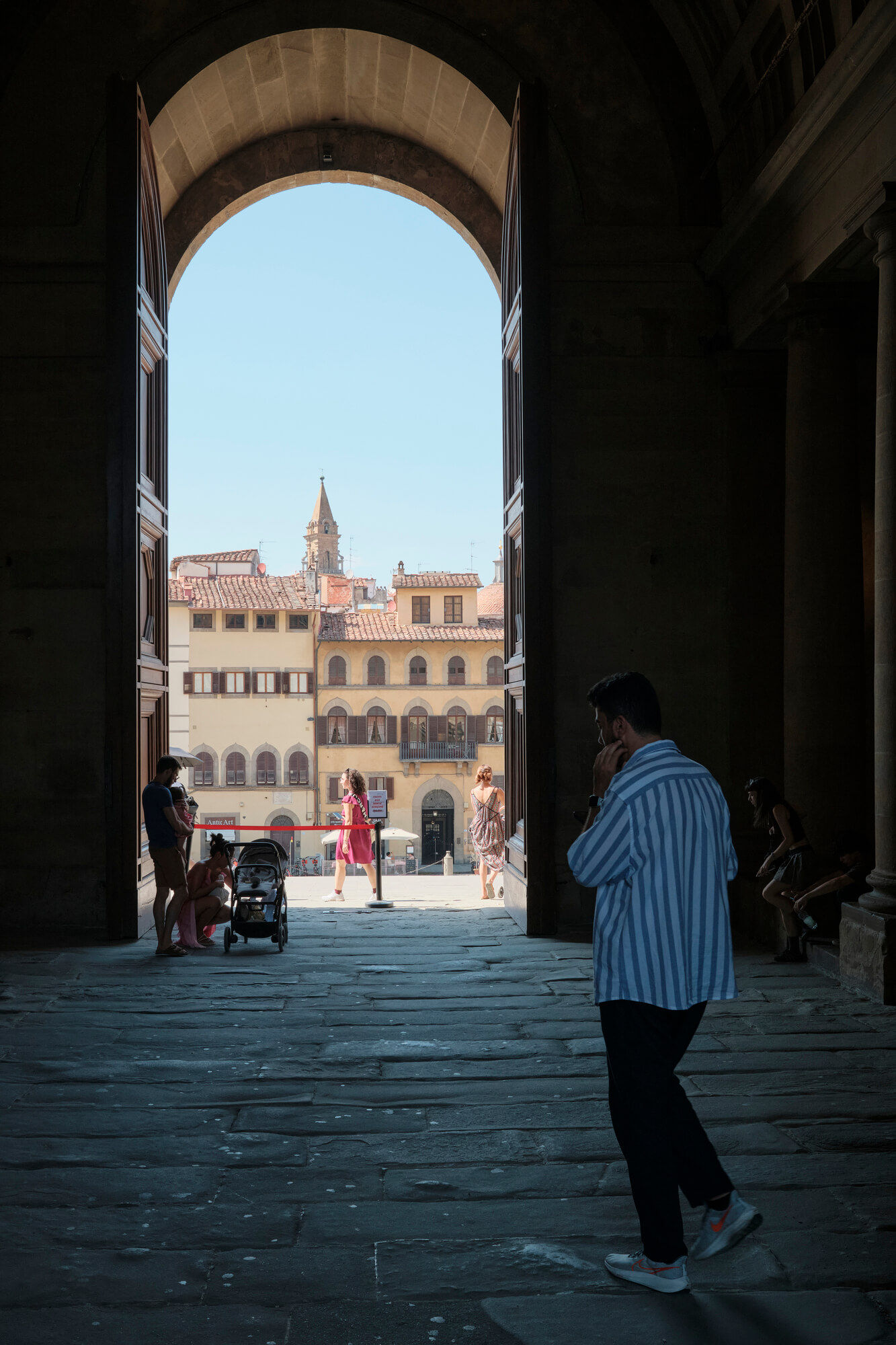
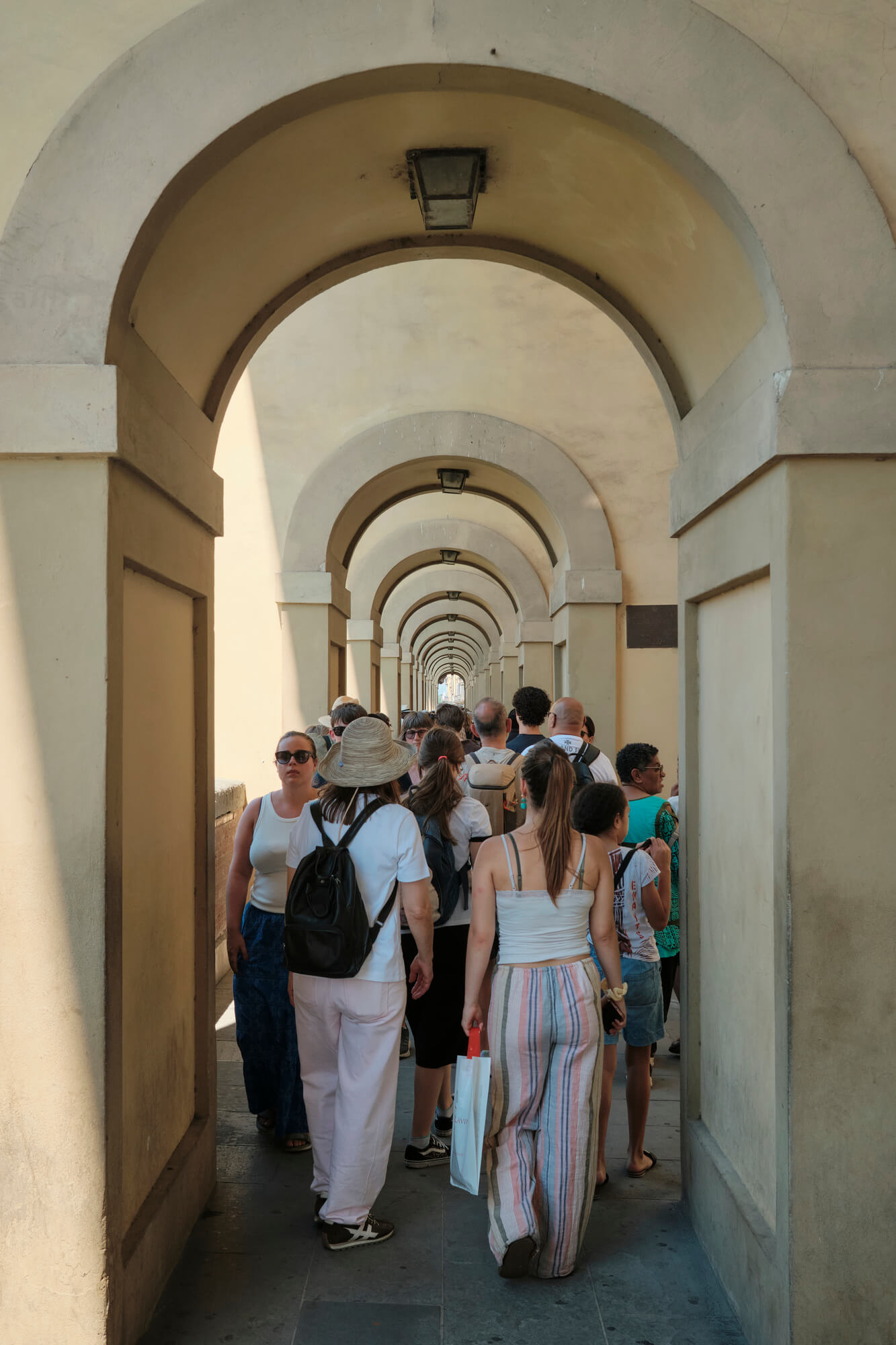
Florence basically nurtured the Renaissance itself, re-discovering the remnants of the bygone Roman civilization, and building the new epoch upon that foundation.
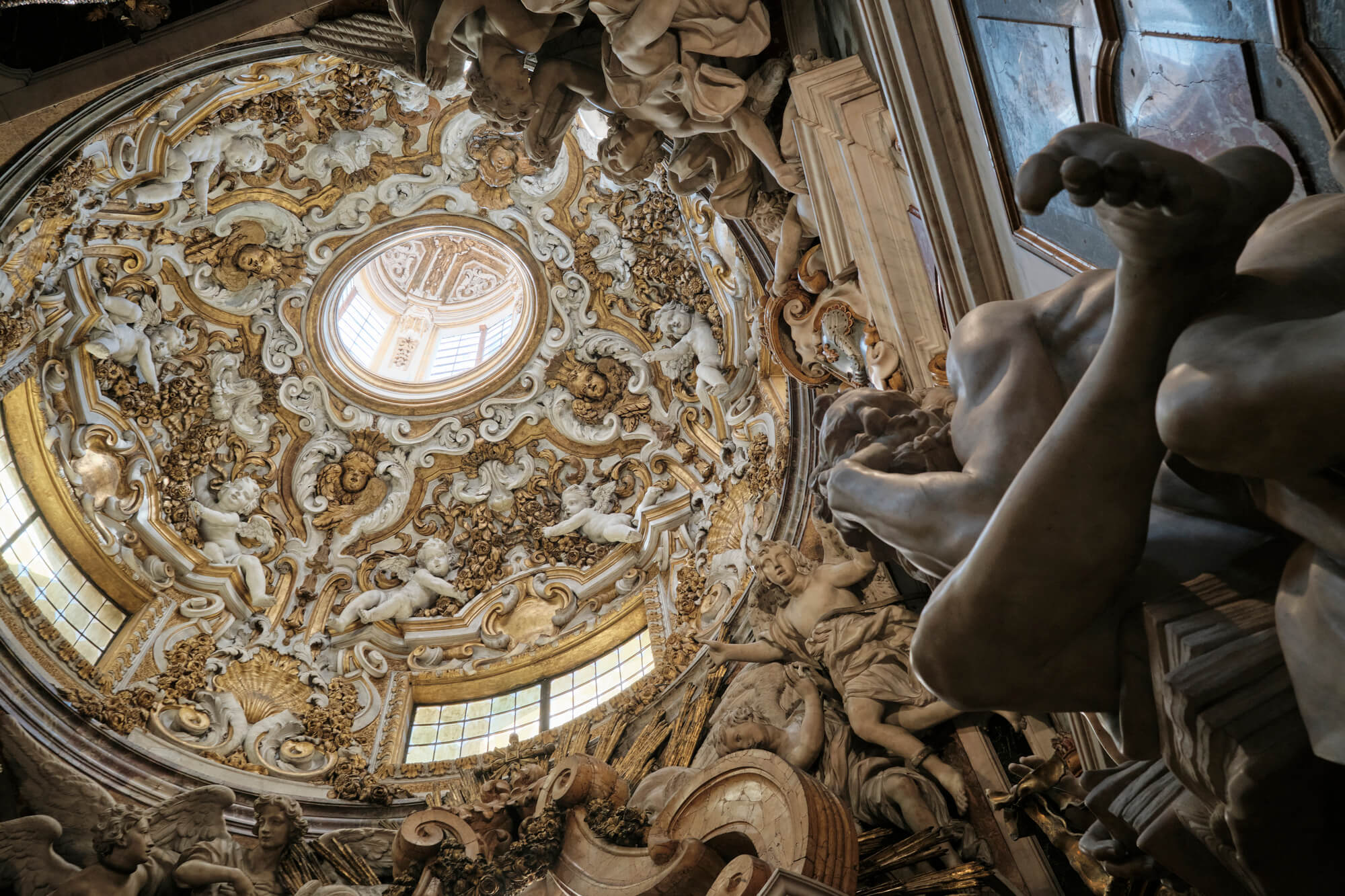
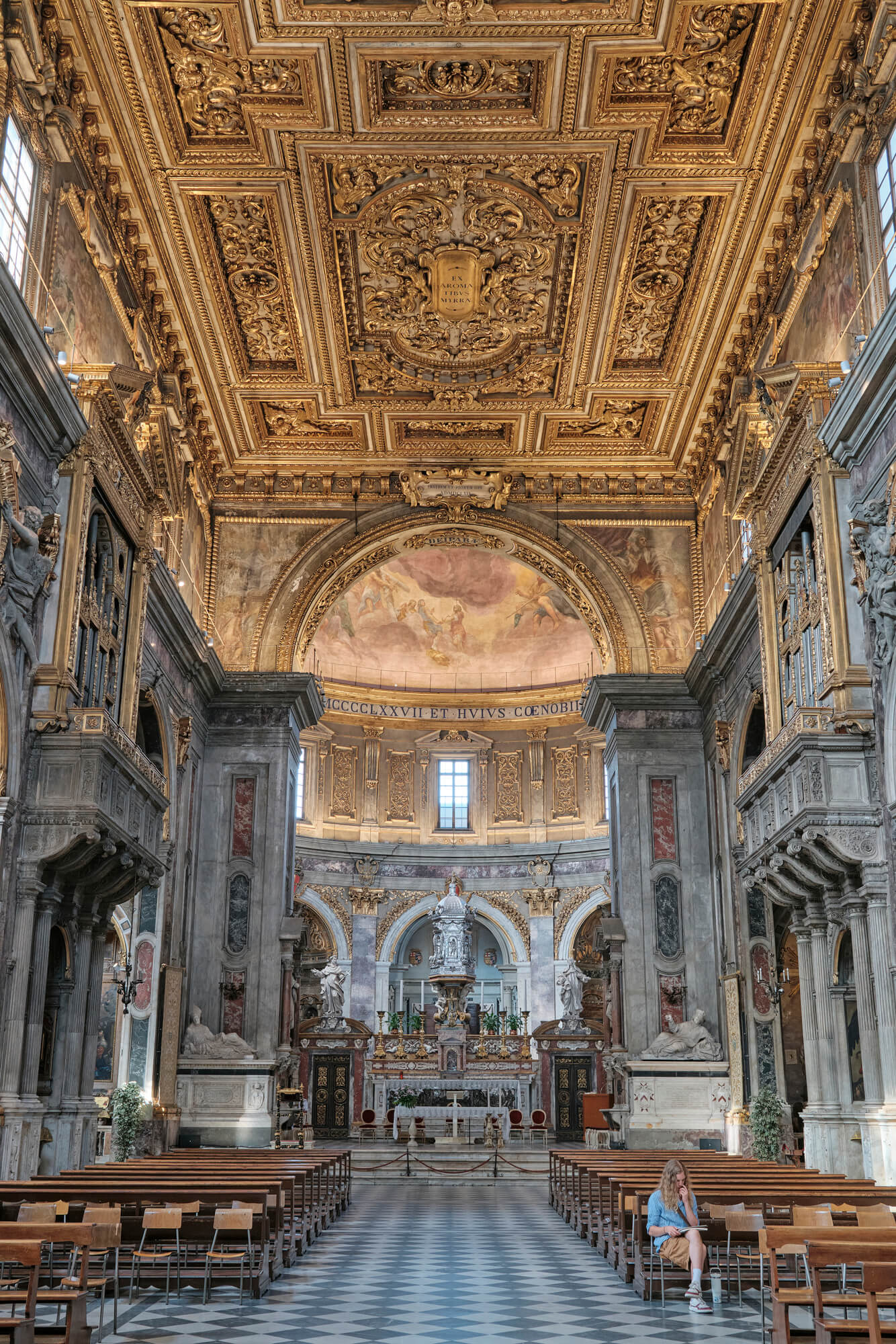
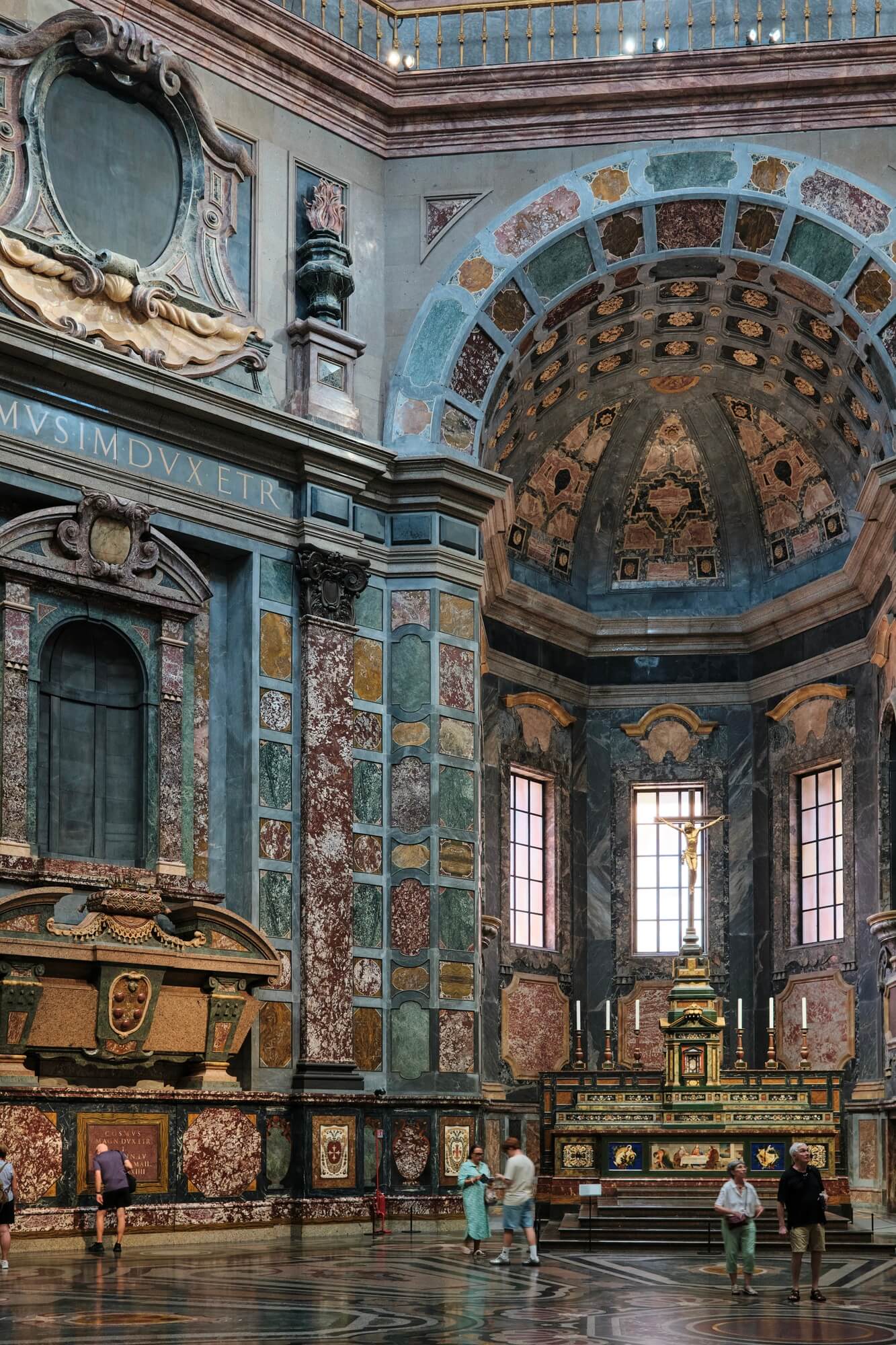
Merely listing names associated with the city sounds ridiculous: Dante, Boccaccio, Machiavelli, Botticelli, Galileo, and your favorite Teenage Mutant Ninja Turtle too.
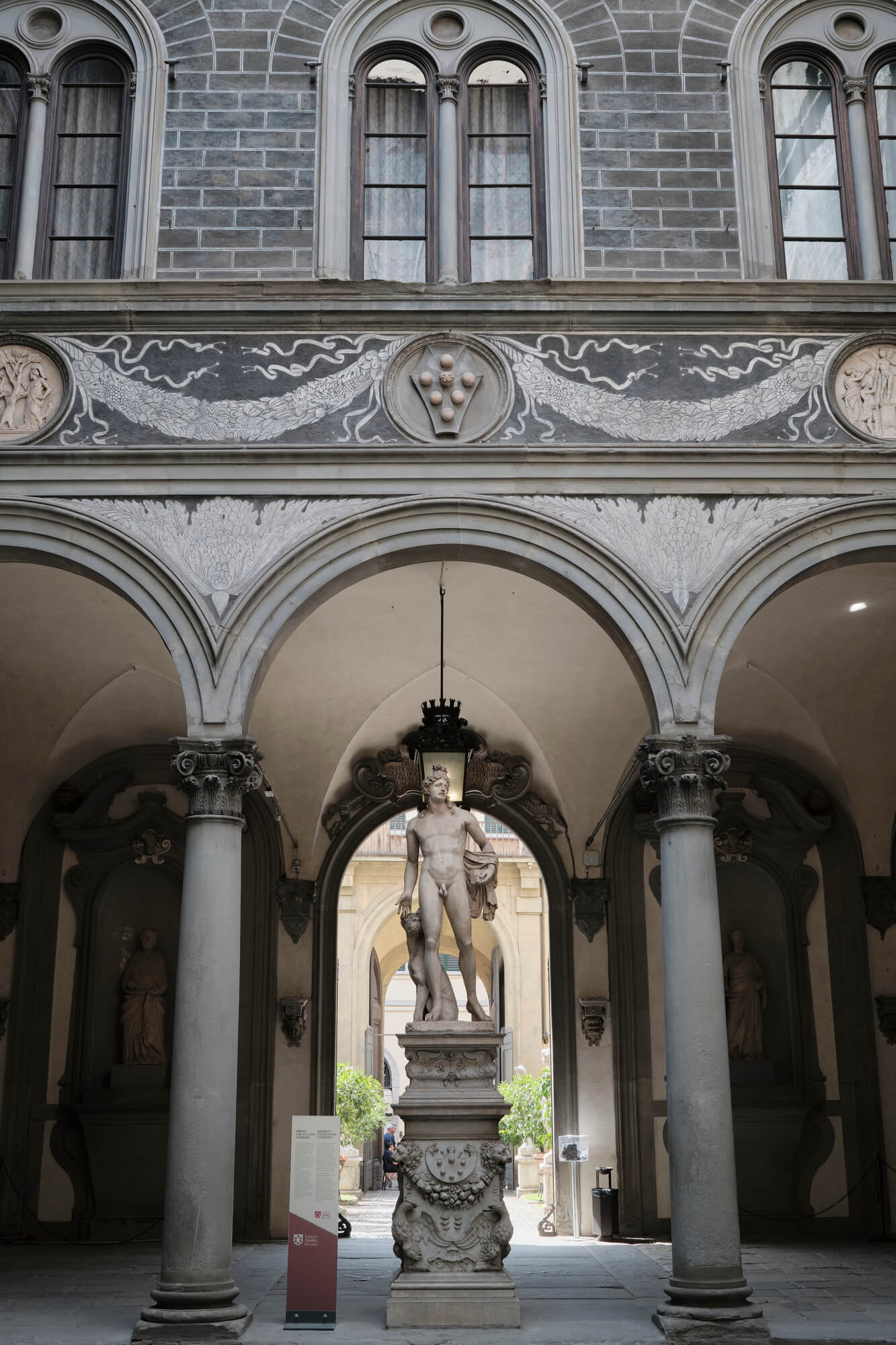
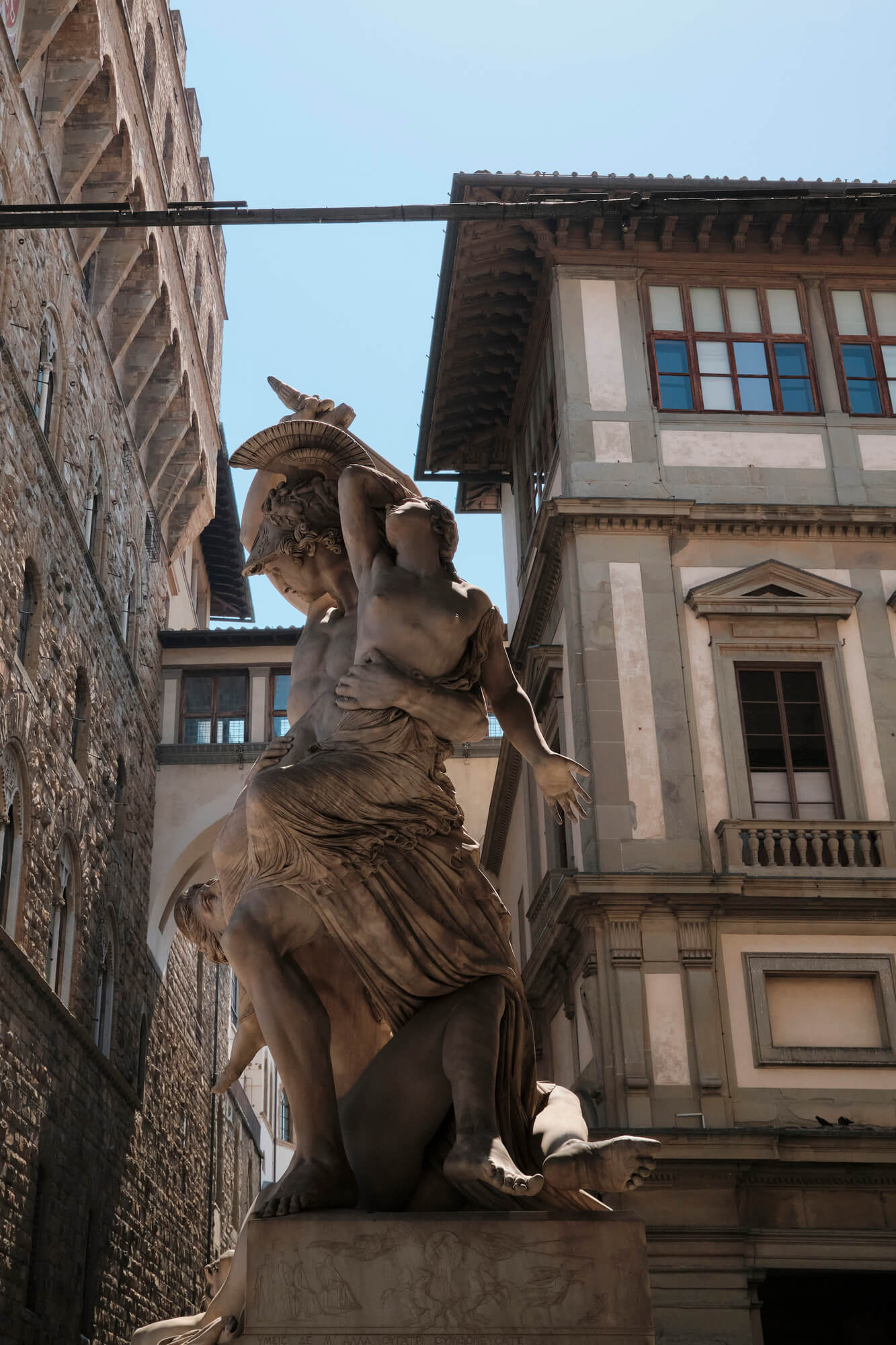
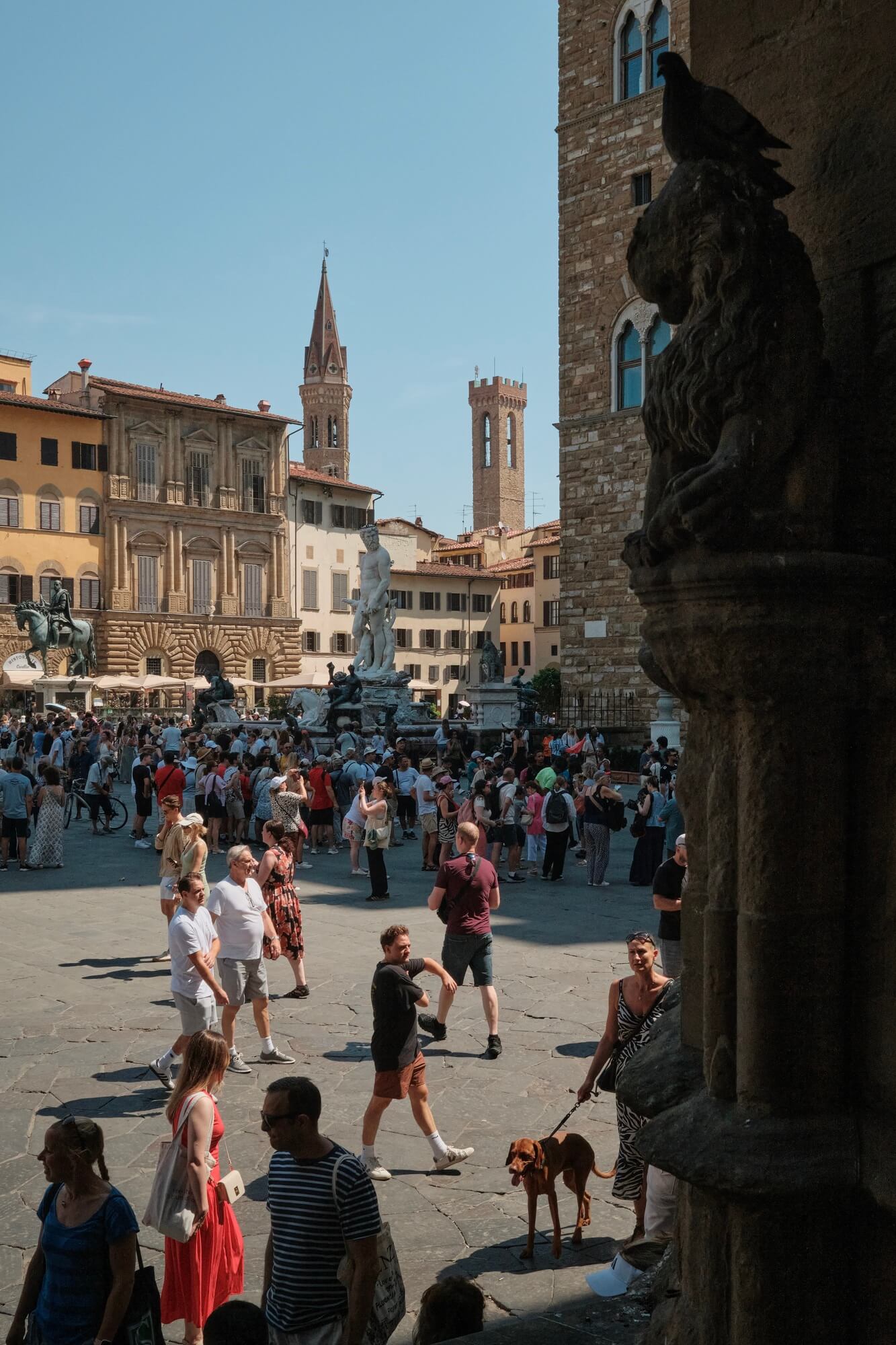
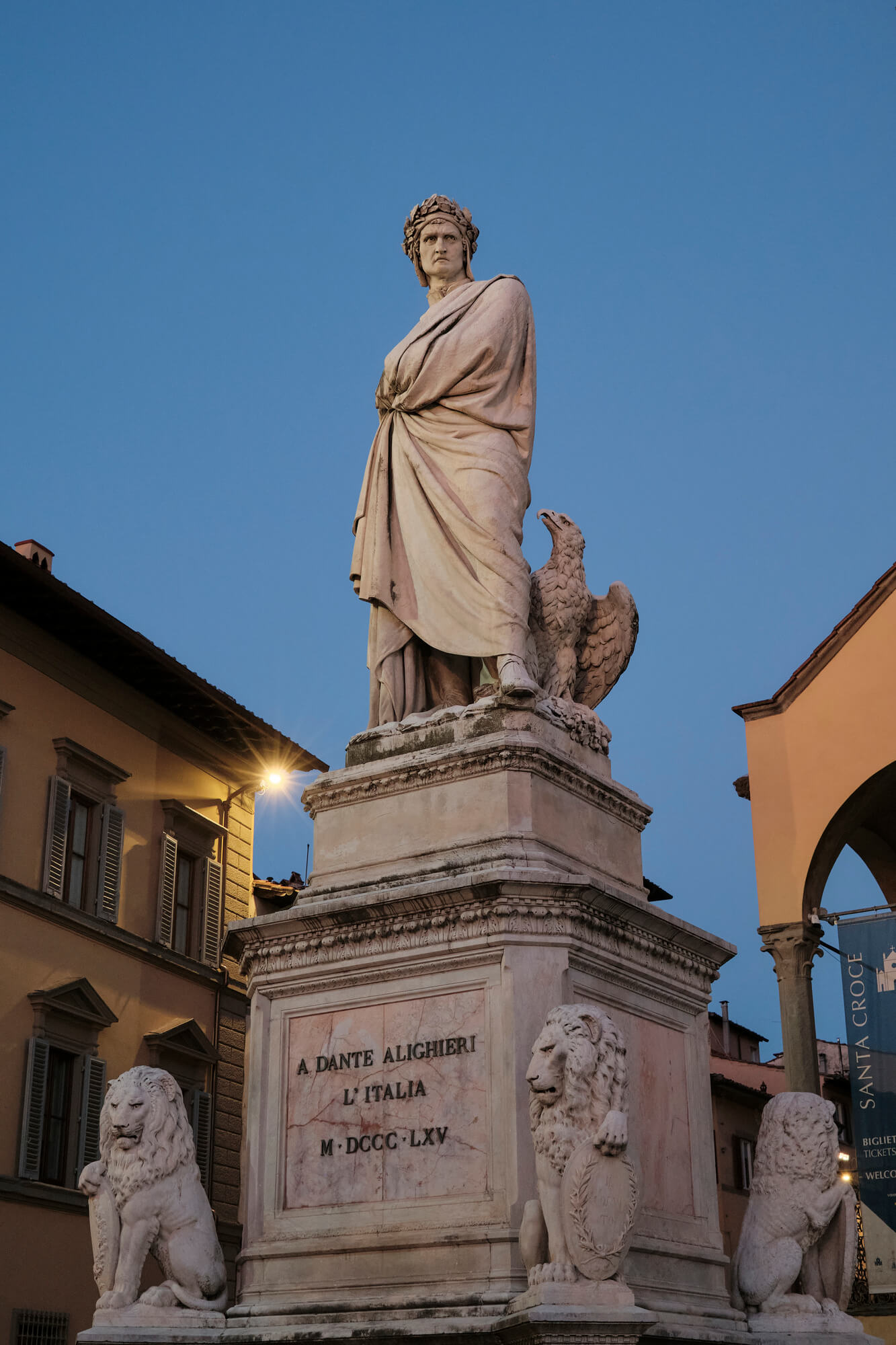
It was only a century later that Rome — until then no more than a backwater town full of decaying ruins — took over, draining all creative resources of the peninsula.
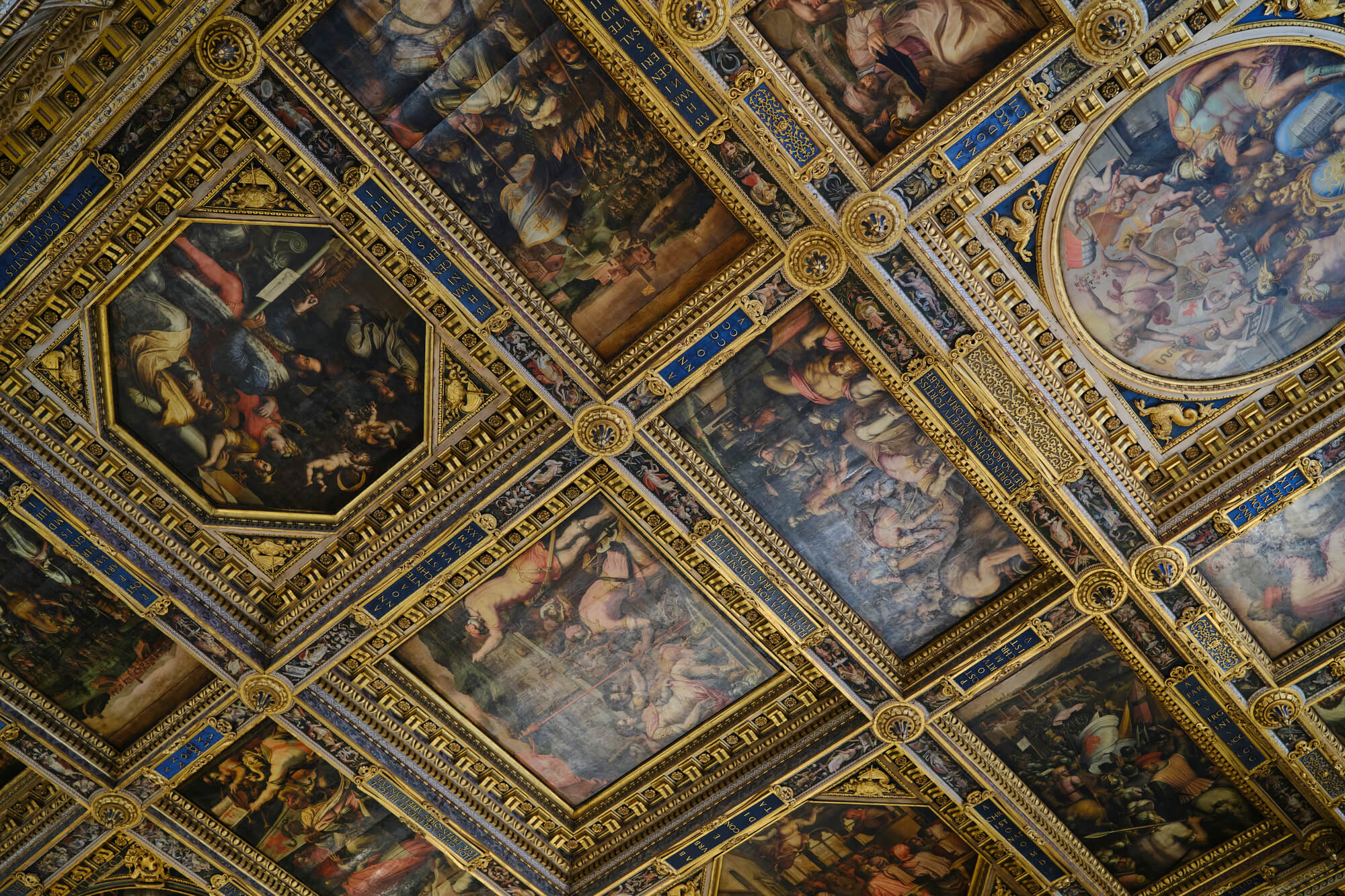
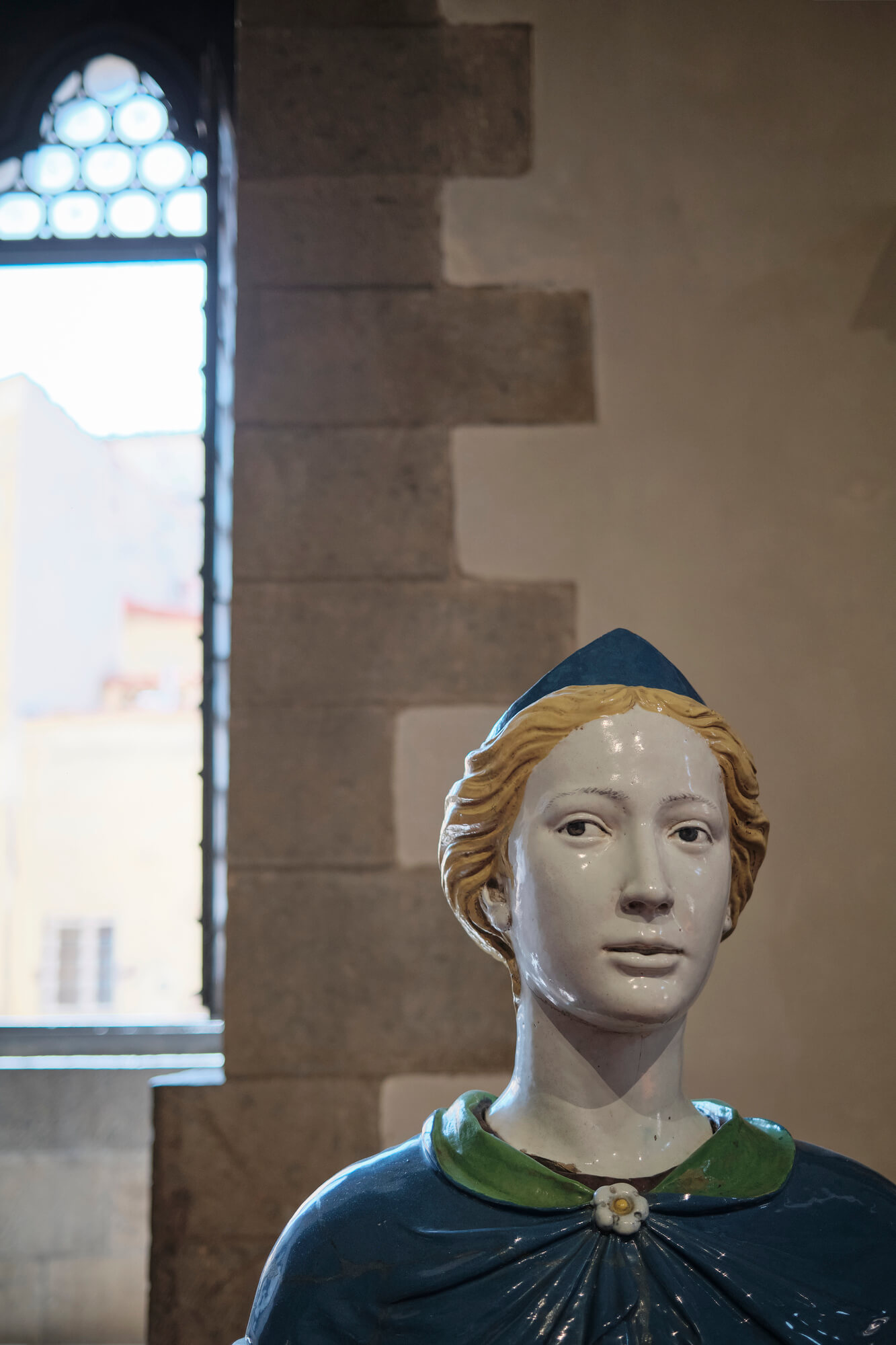
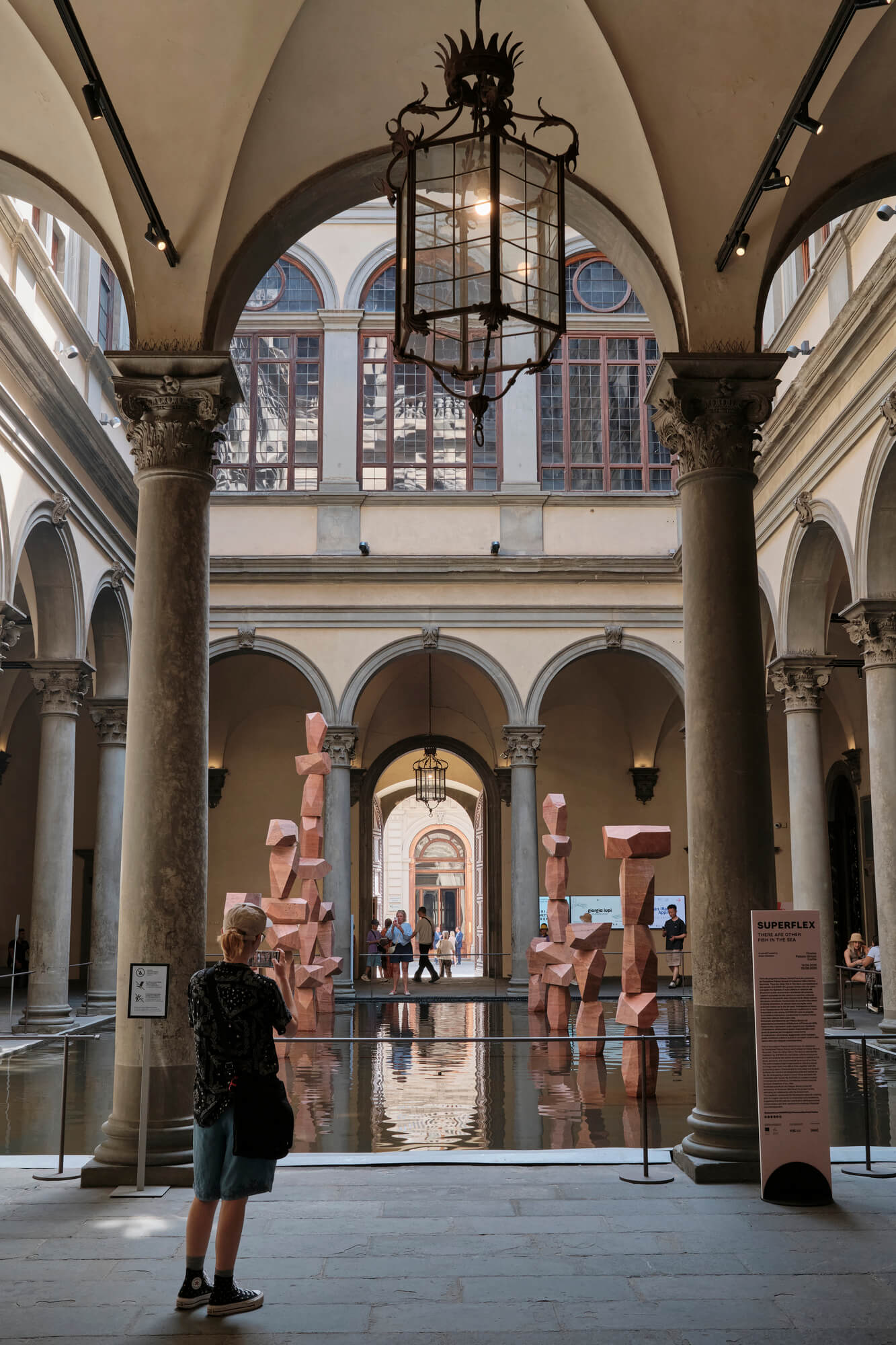
Florence may have lost most of its influence after that, but had it kept the pace, we likely wouldn’t see many of its riches preserved in their origianal form.
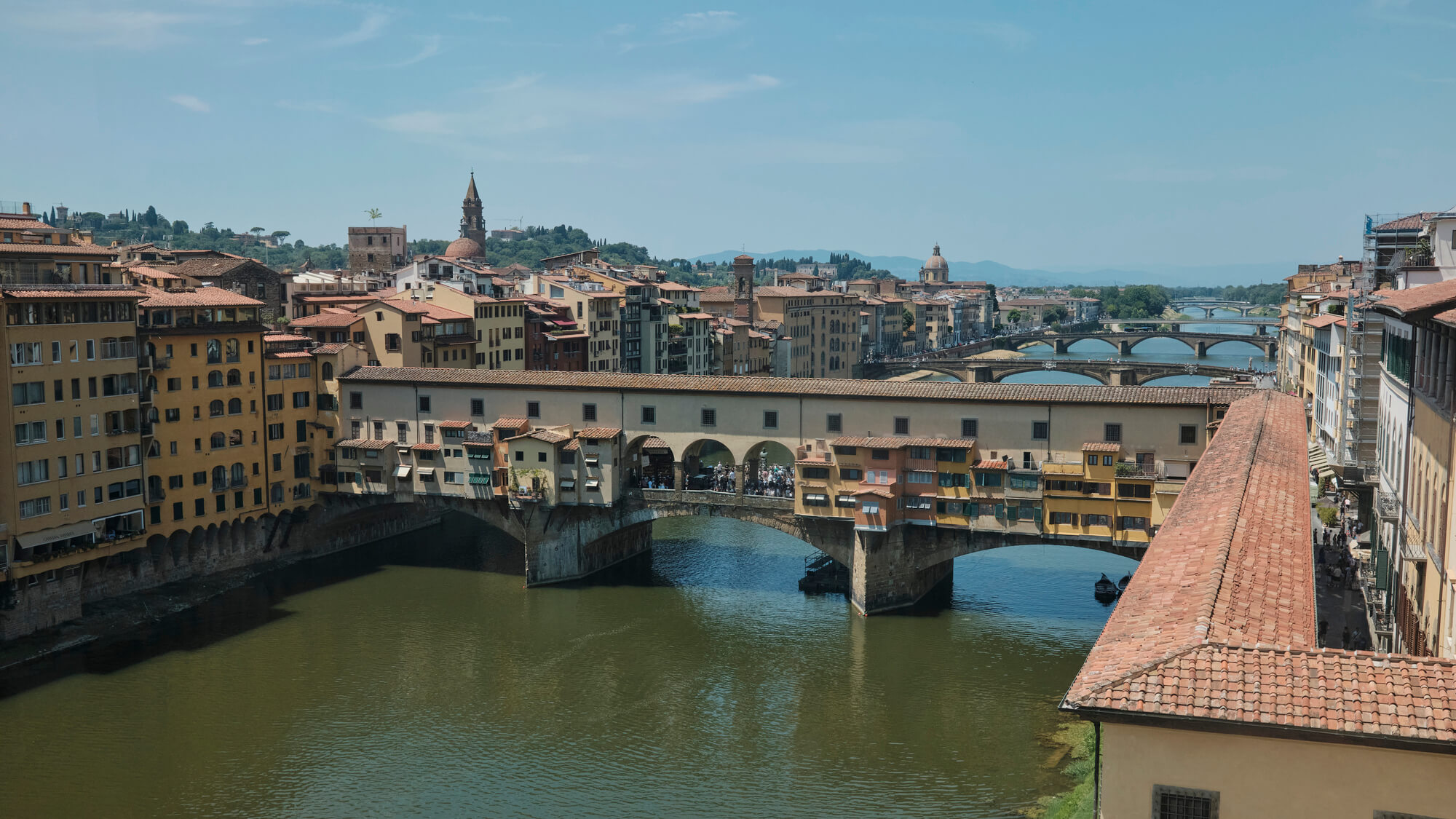
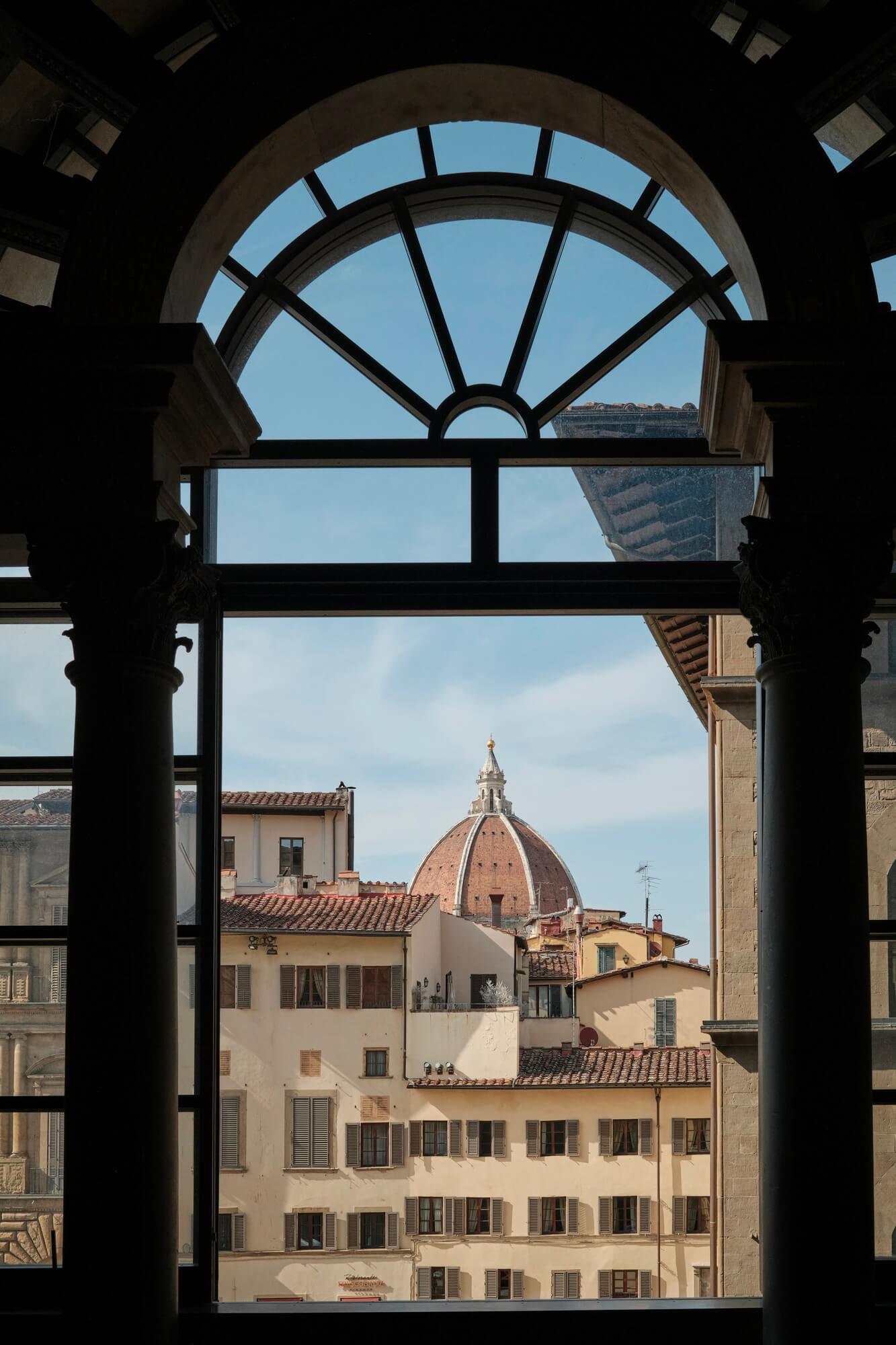
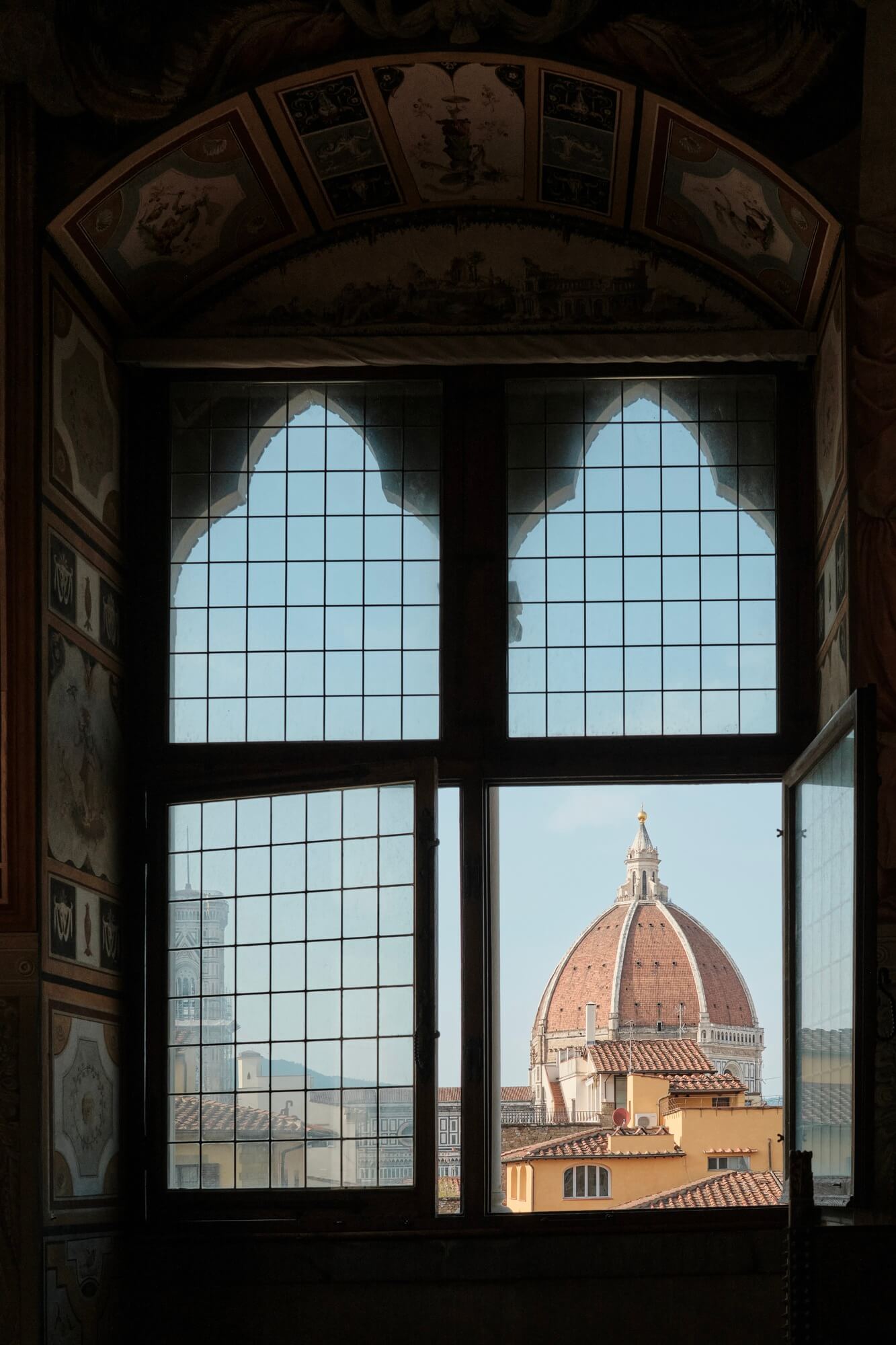
With all that said, Florence can be too intense. After visiting five major galleries, plus a dozen basilicas, you’ll feel overwhelmed and mentally depleted.
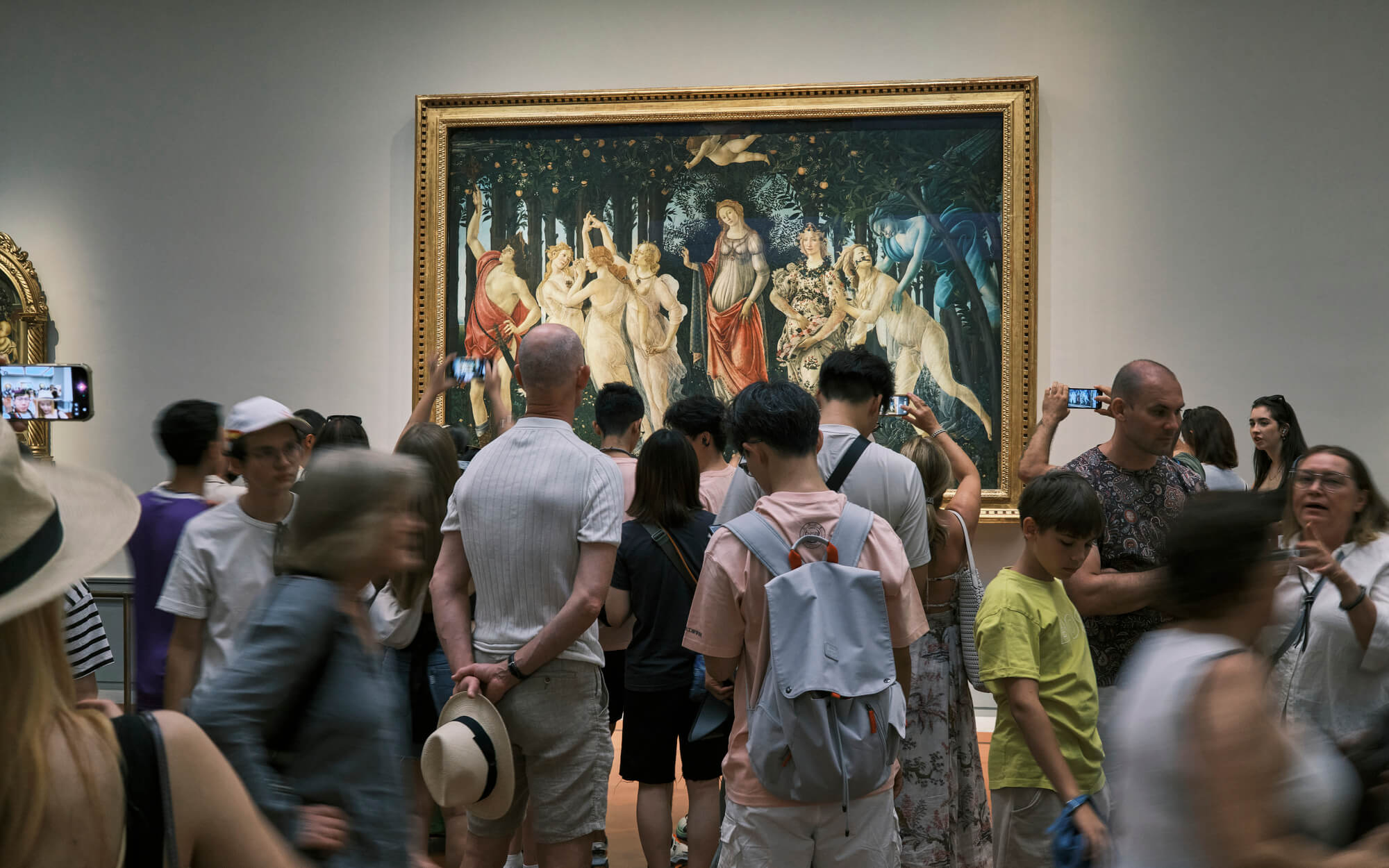
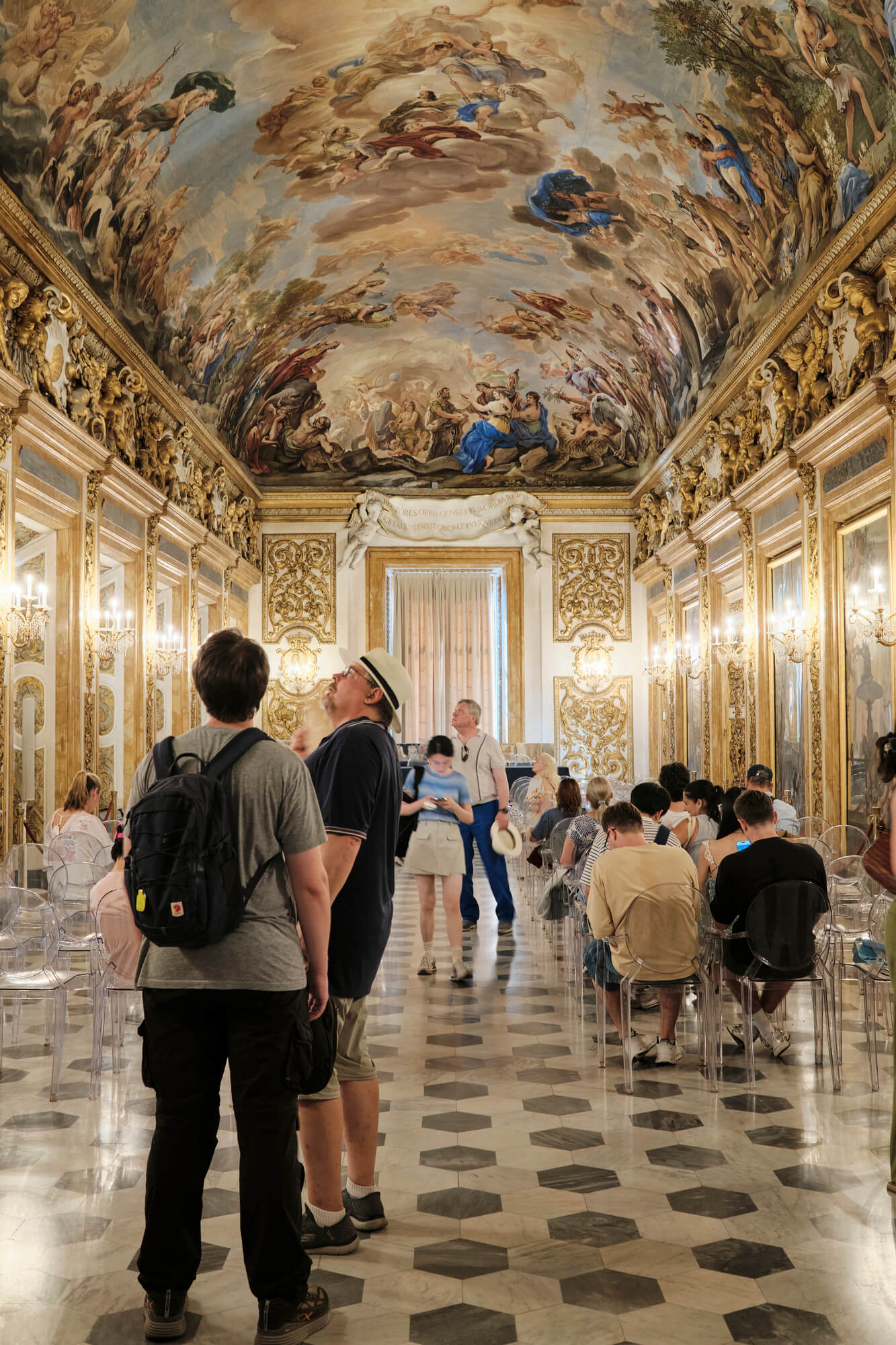
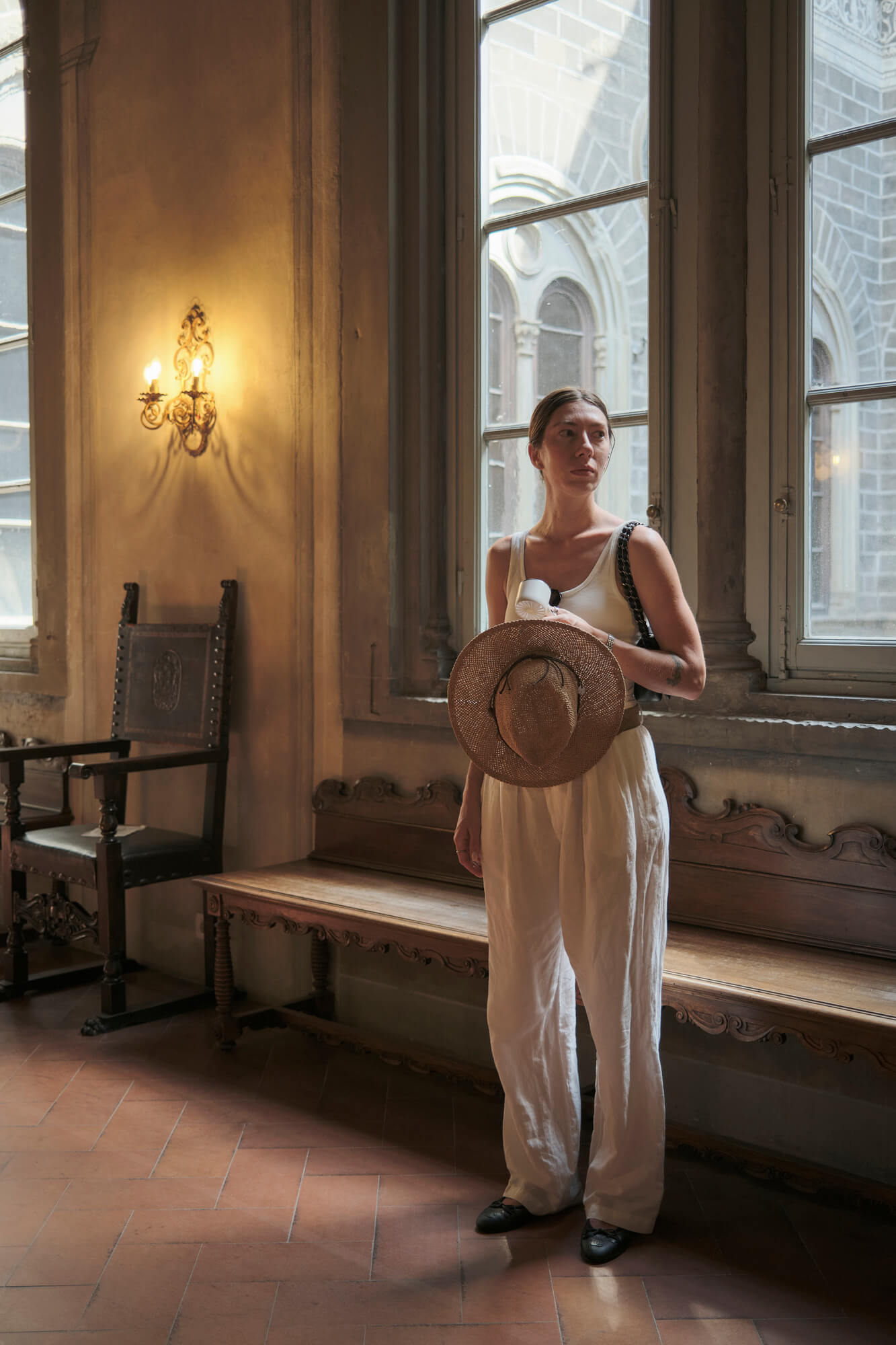
If you’re not afraid of going down that perilous path, the Firenze Card museum pass can at least save you some money.Unlike elsewhere, here it actually pays off.
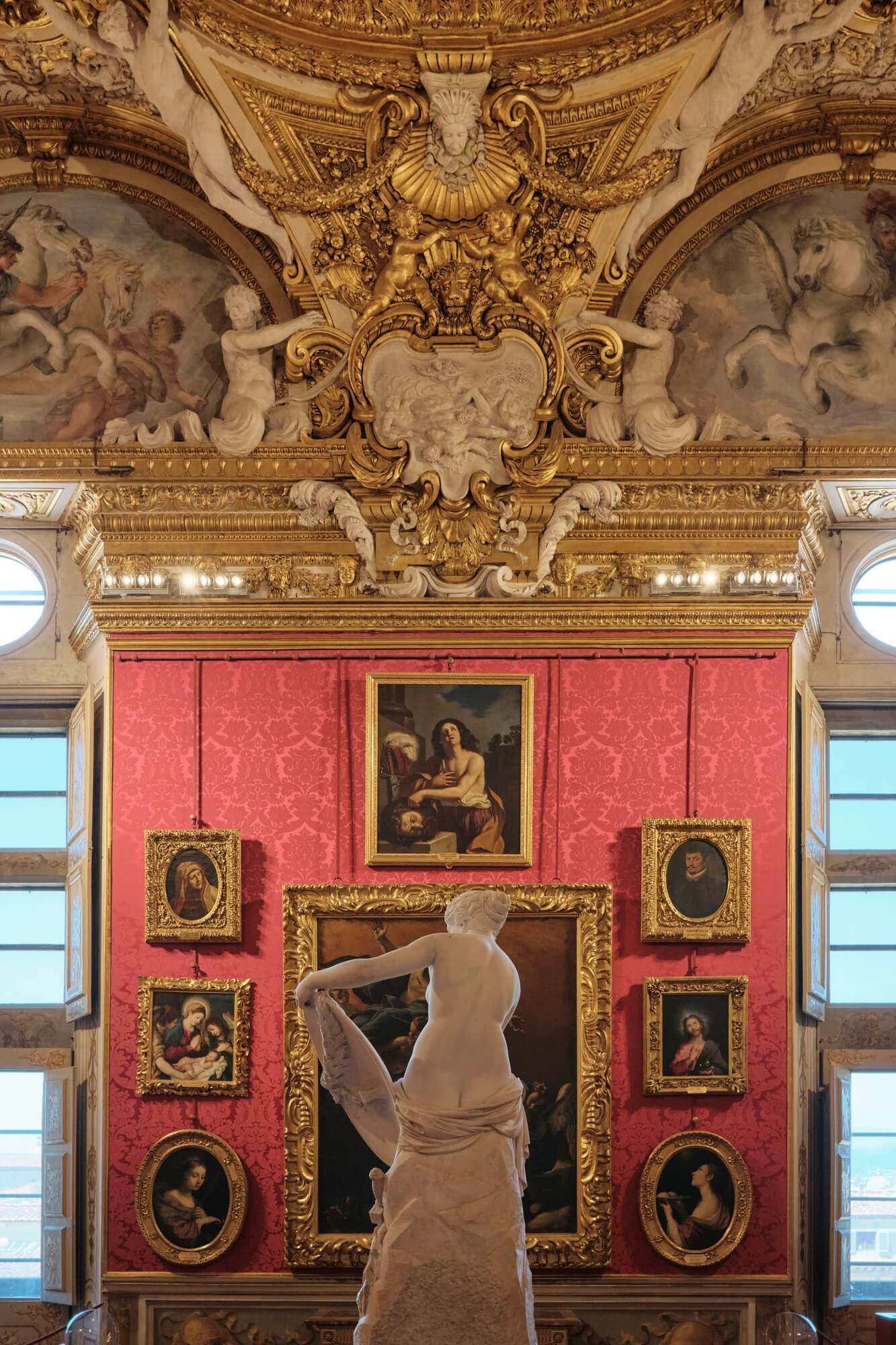
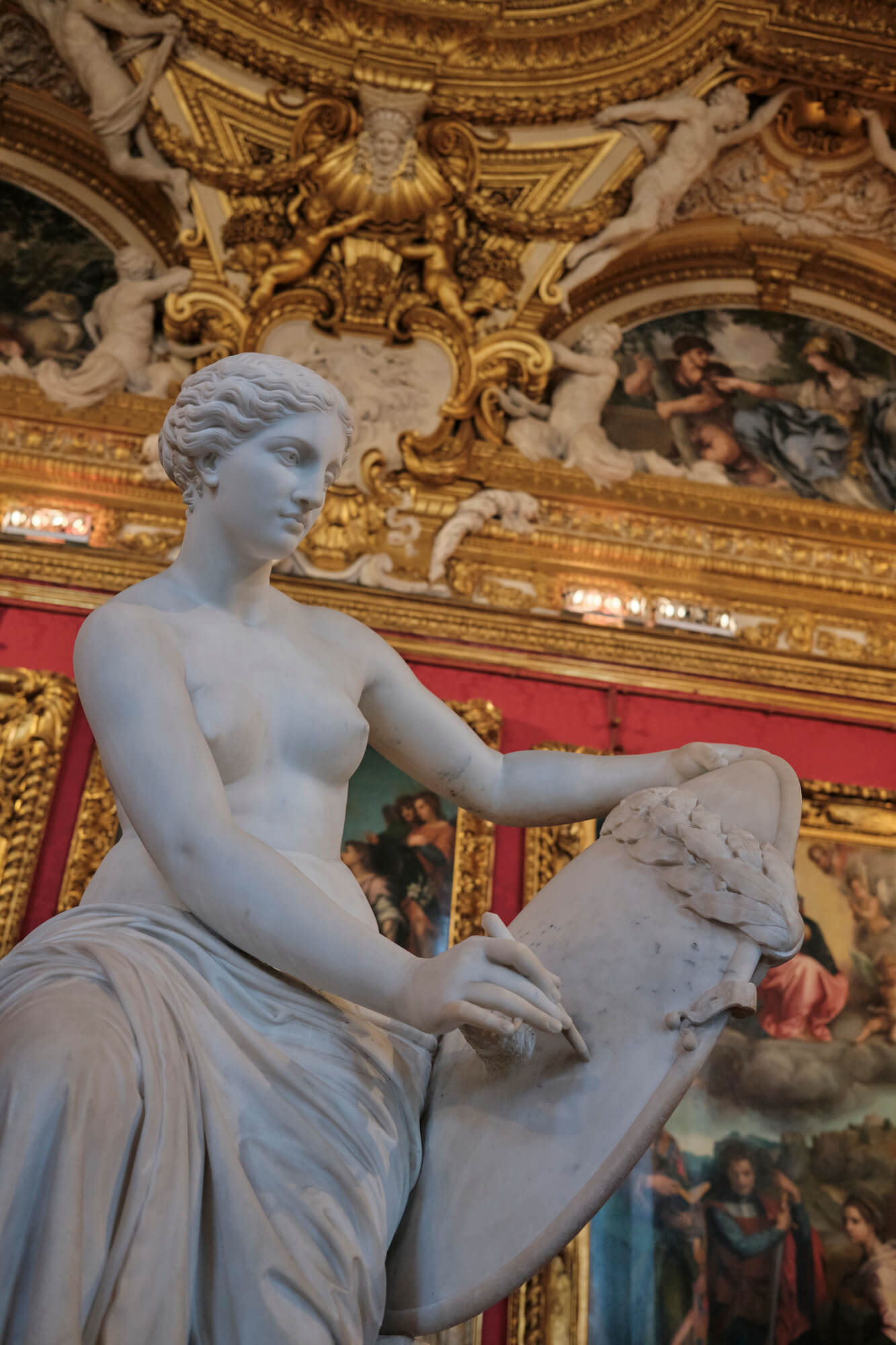
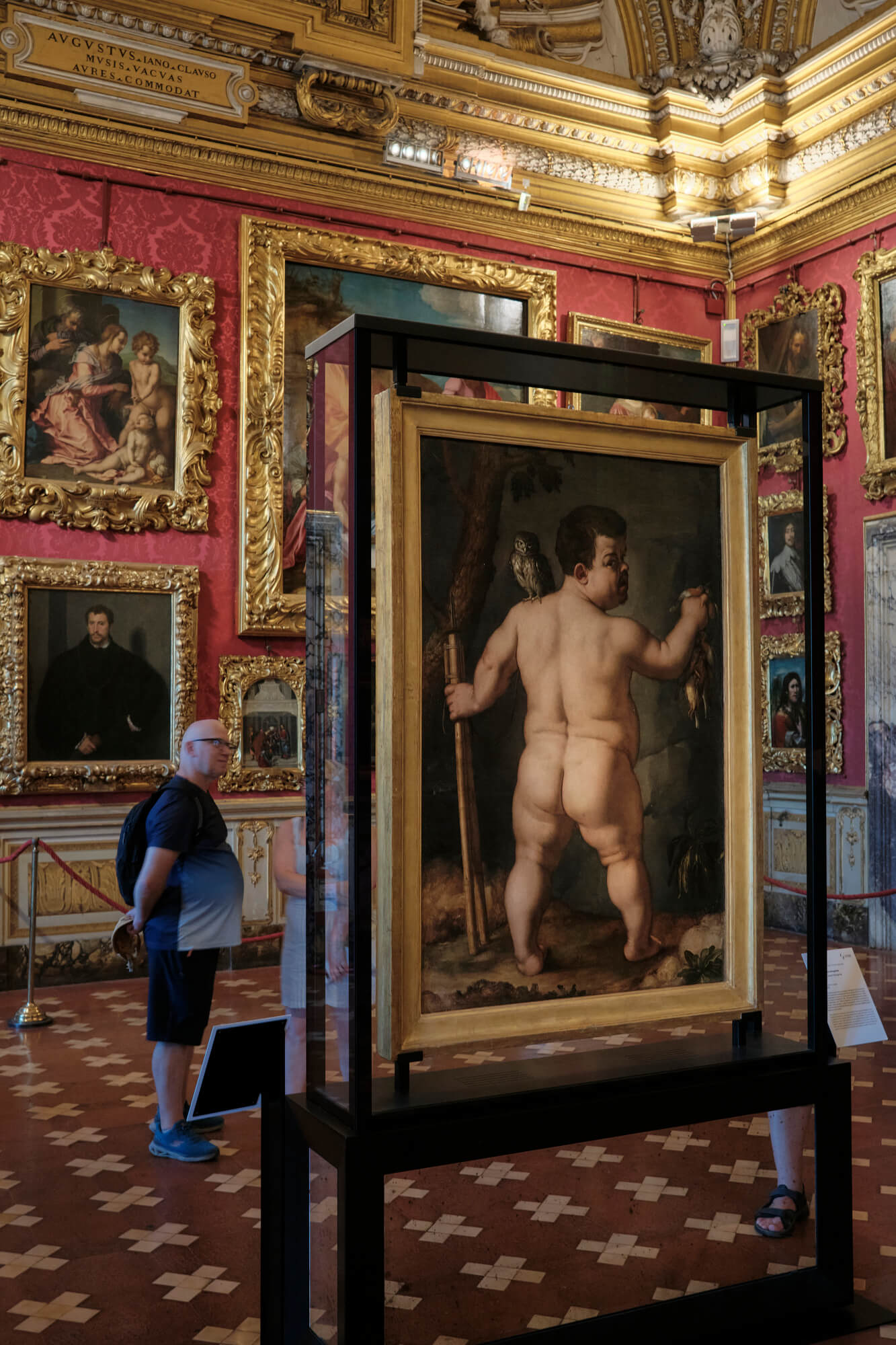
If you ever need a break, you may wander off and explore the countryside with endless wineries and olive groves squeezed in between the many hills of Tuscany.
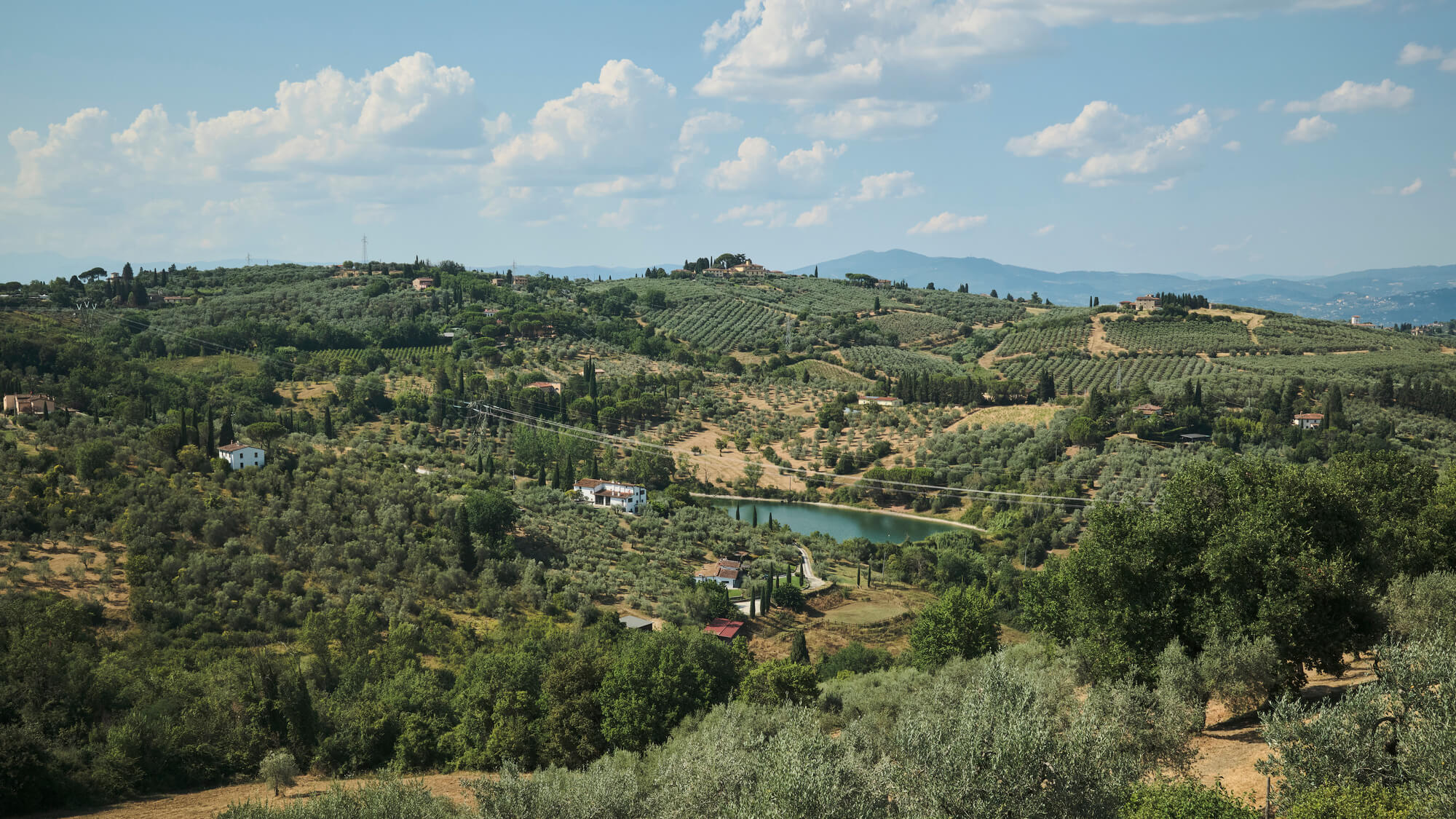


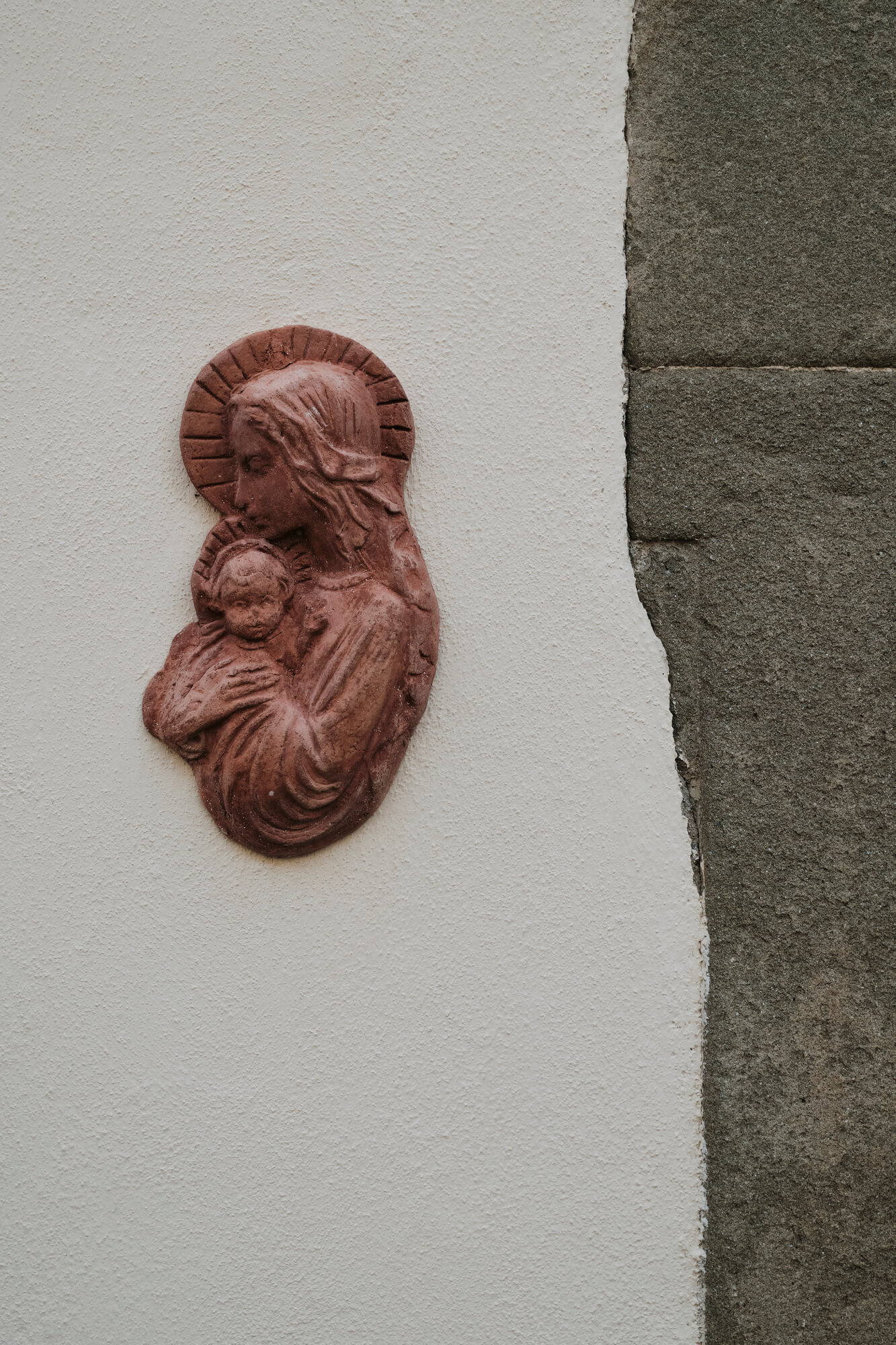
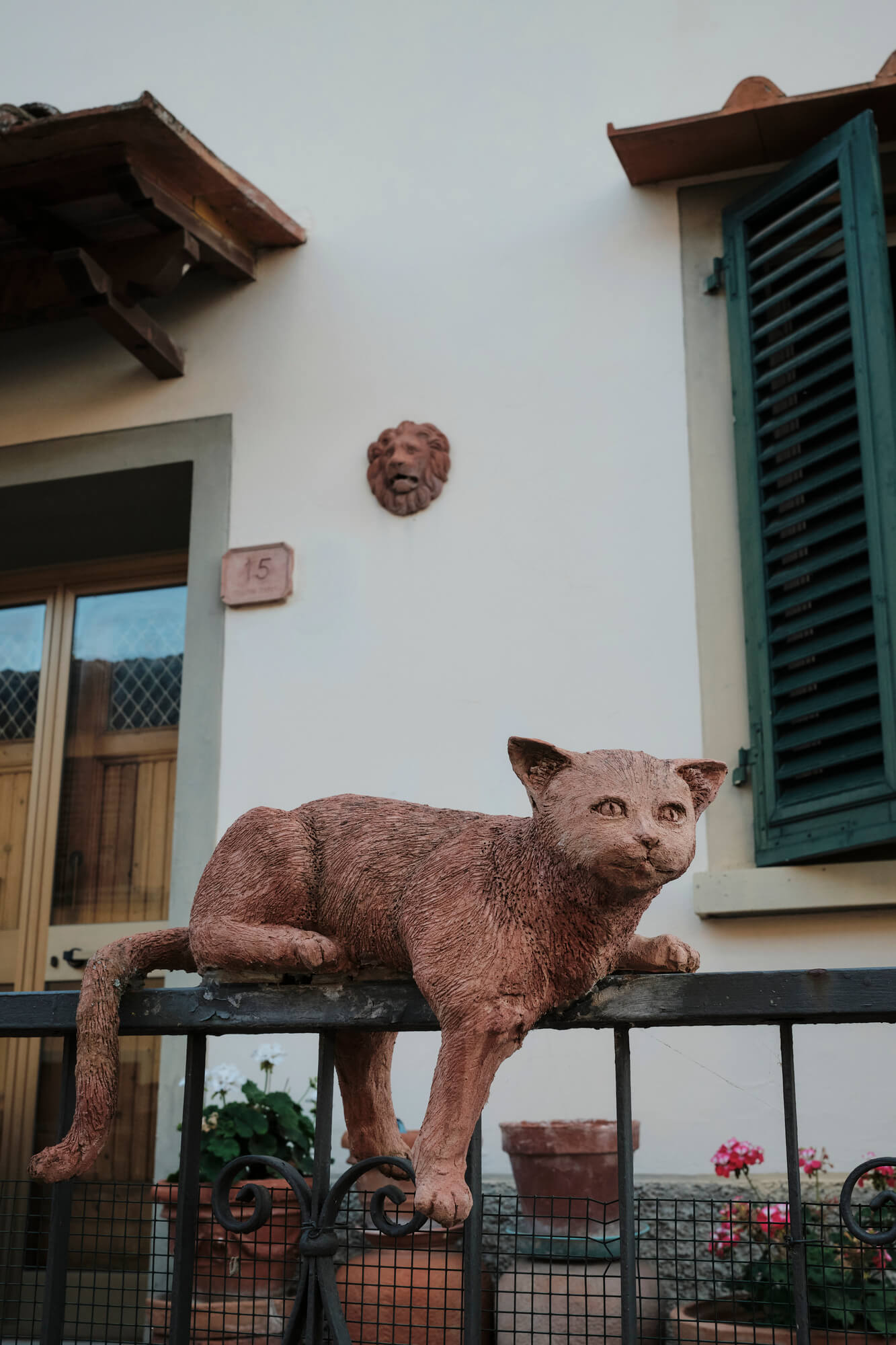
We were happy to spend our day off in Impruneta — a small town famous for its terracotta and olive oil. And it’s just a 30-minute bus ride from the city center.
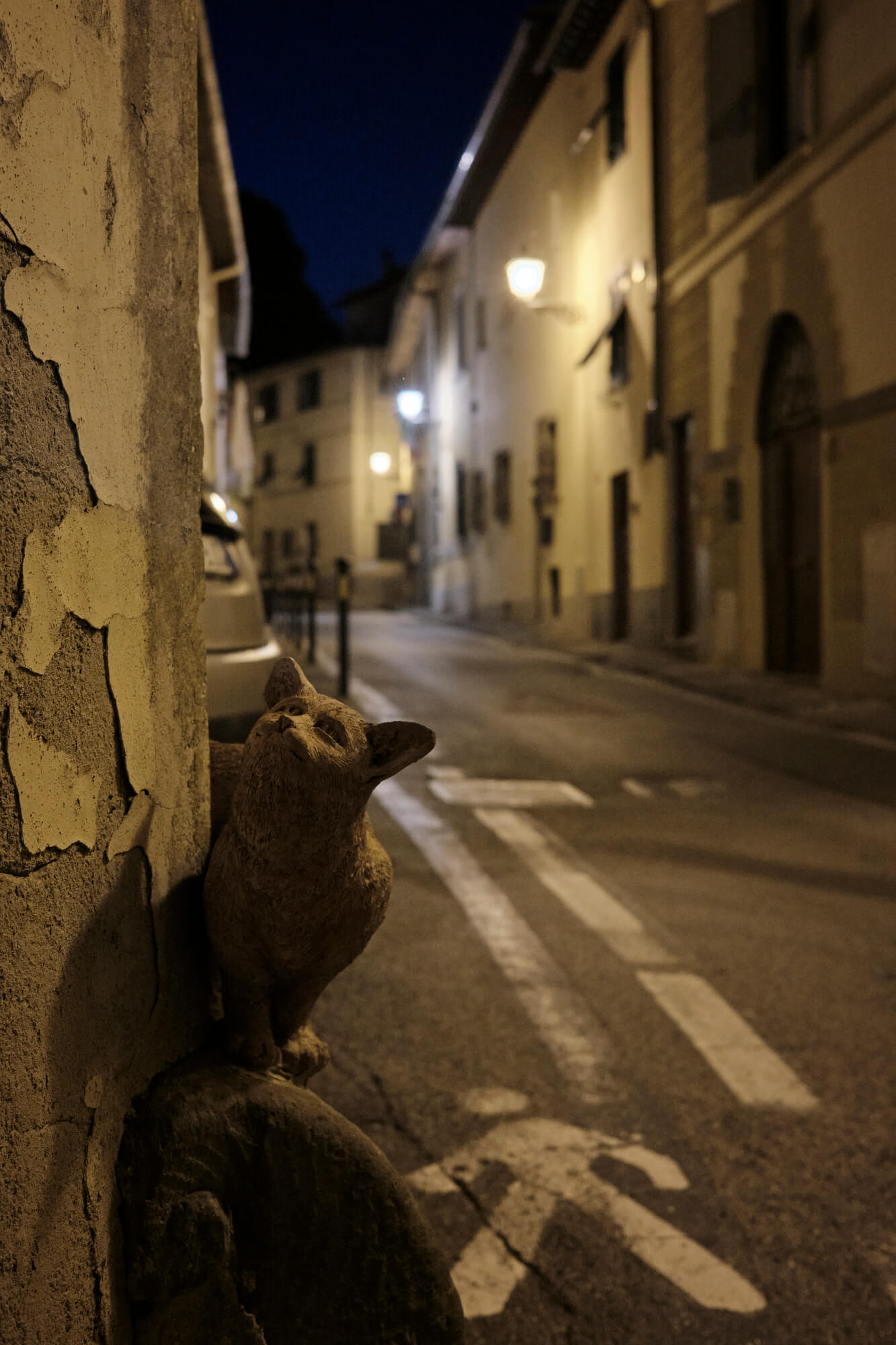
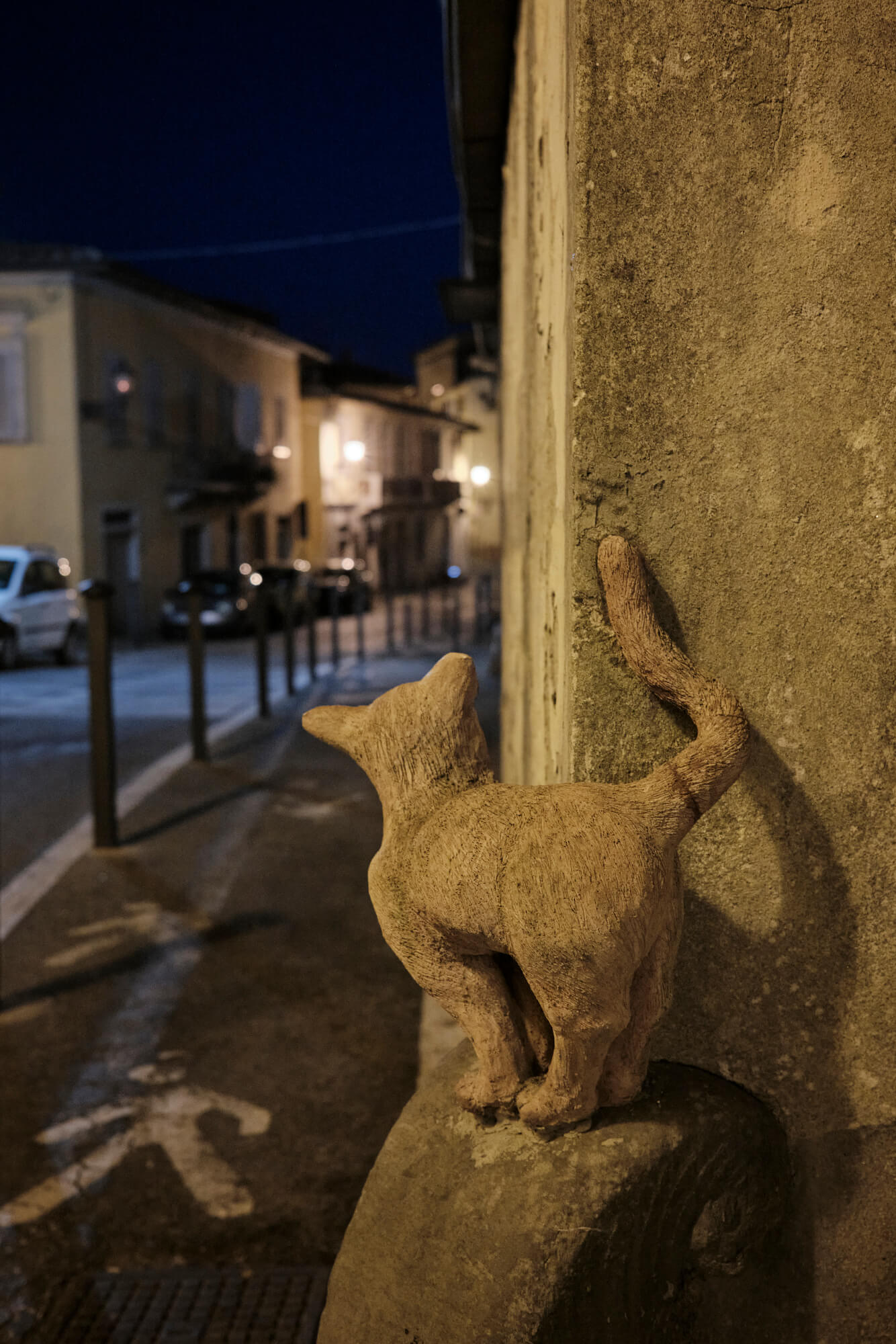
After that trip I can easily place Florence among the top-10 cities I’ve ever visited, and certainly the most beautiful and saturated in this part of Europe.
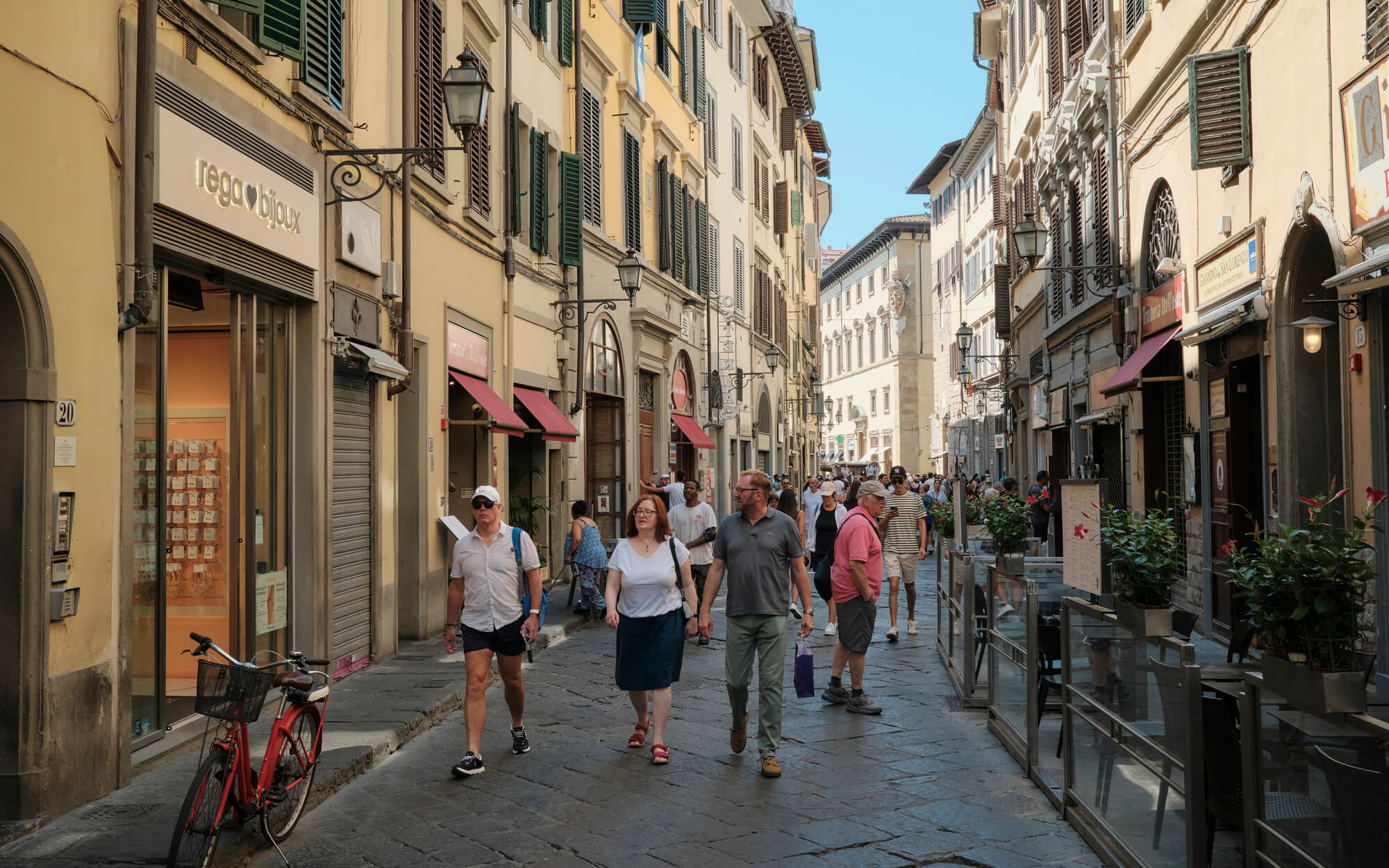
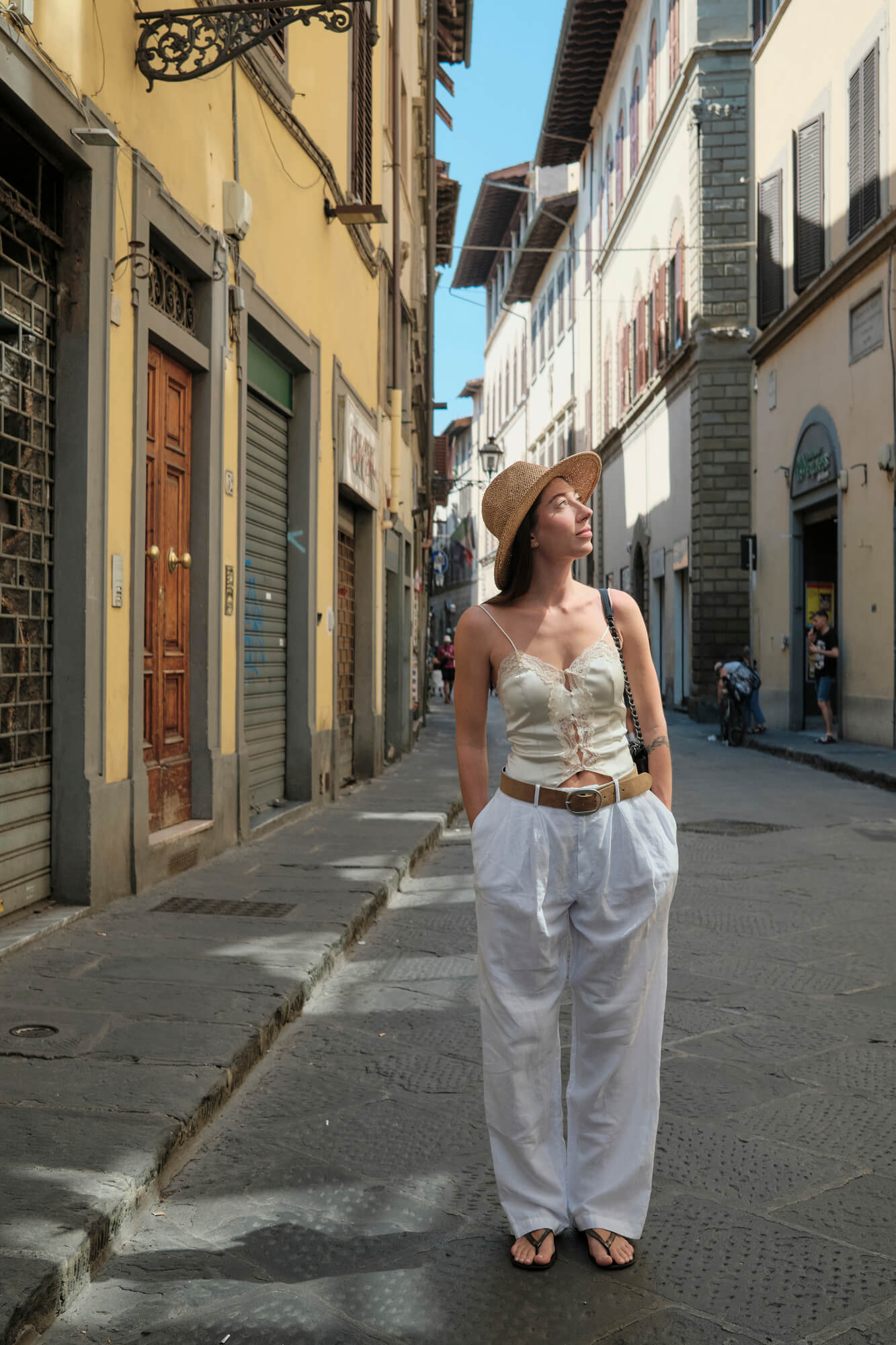

Even the scorching heat of 38°C couldn’t spoil that impression, although I believe the beauty of such places reveals itself better in the colder seasons.
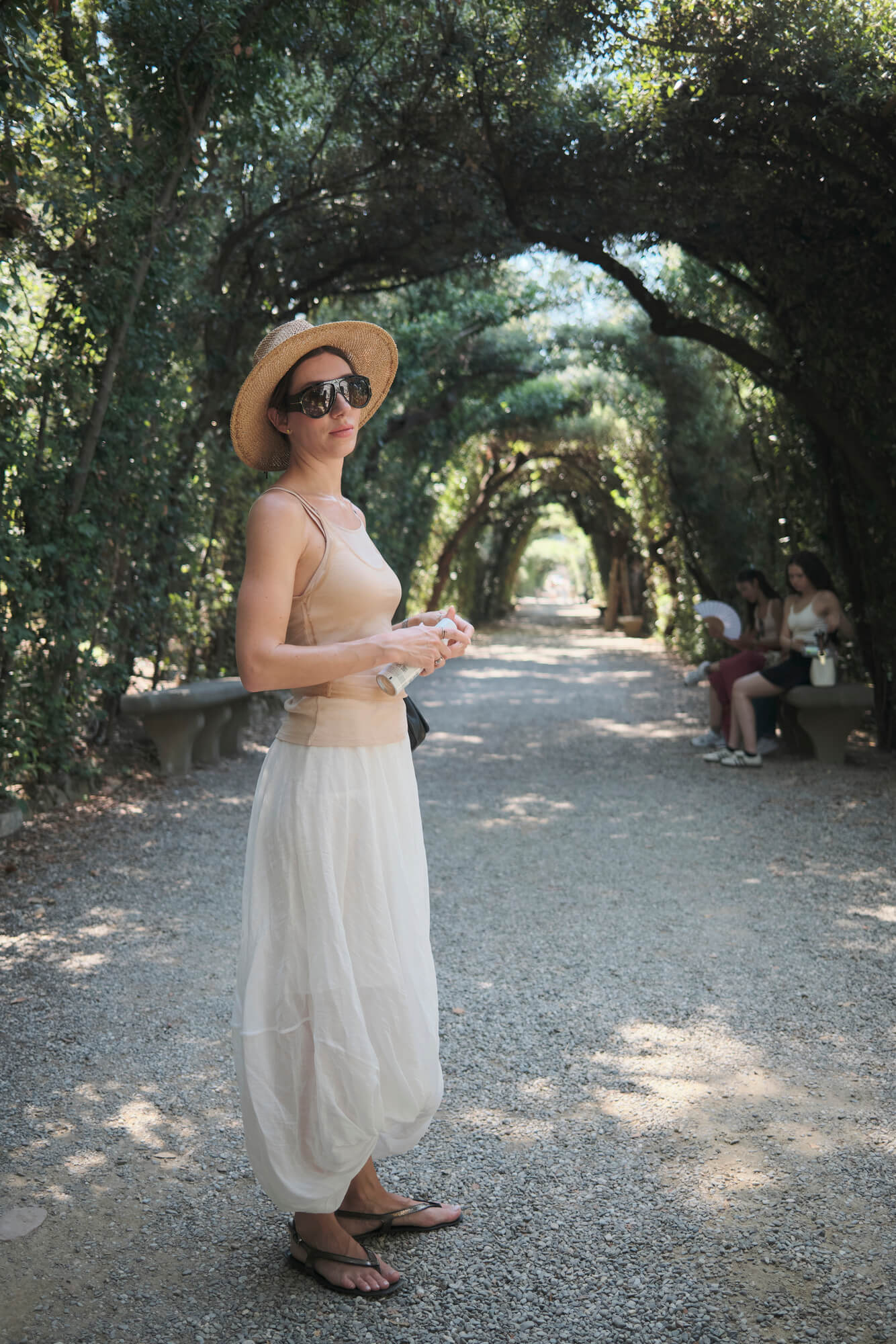
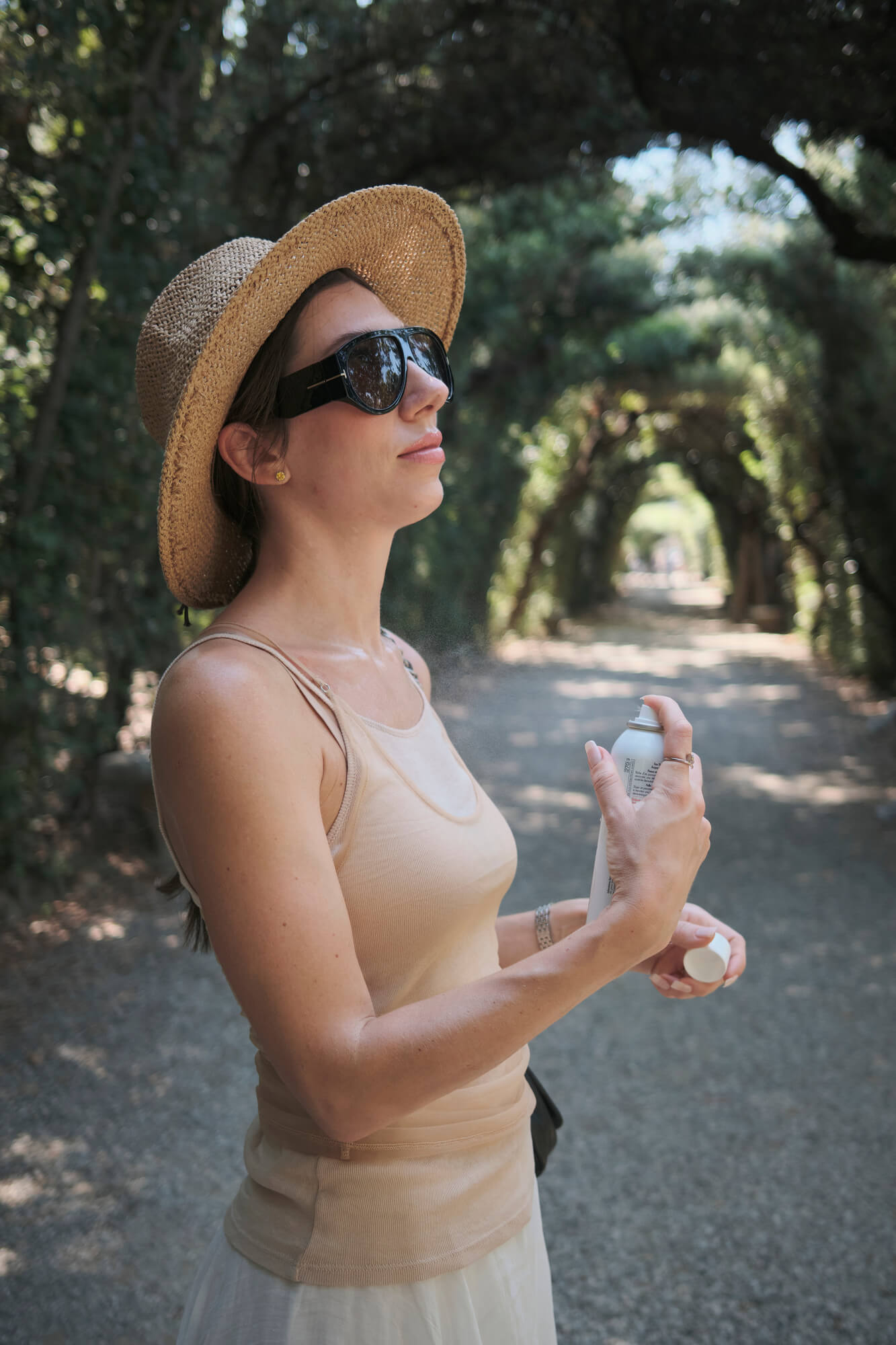
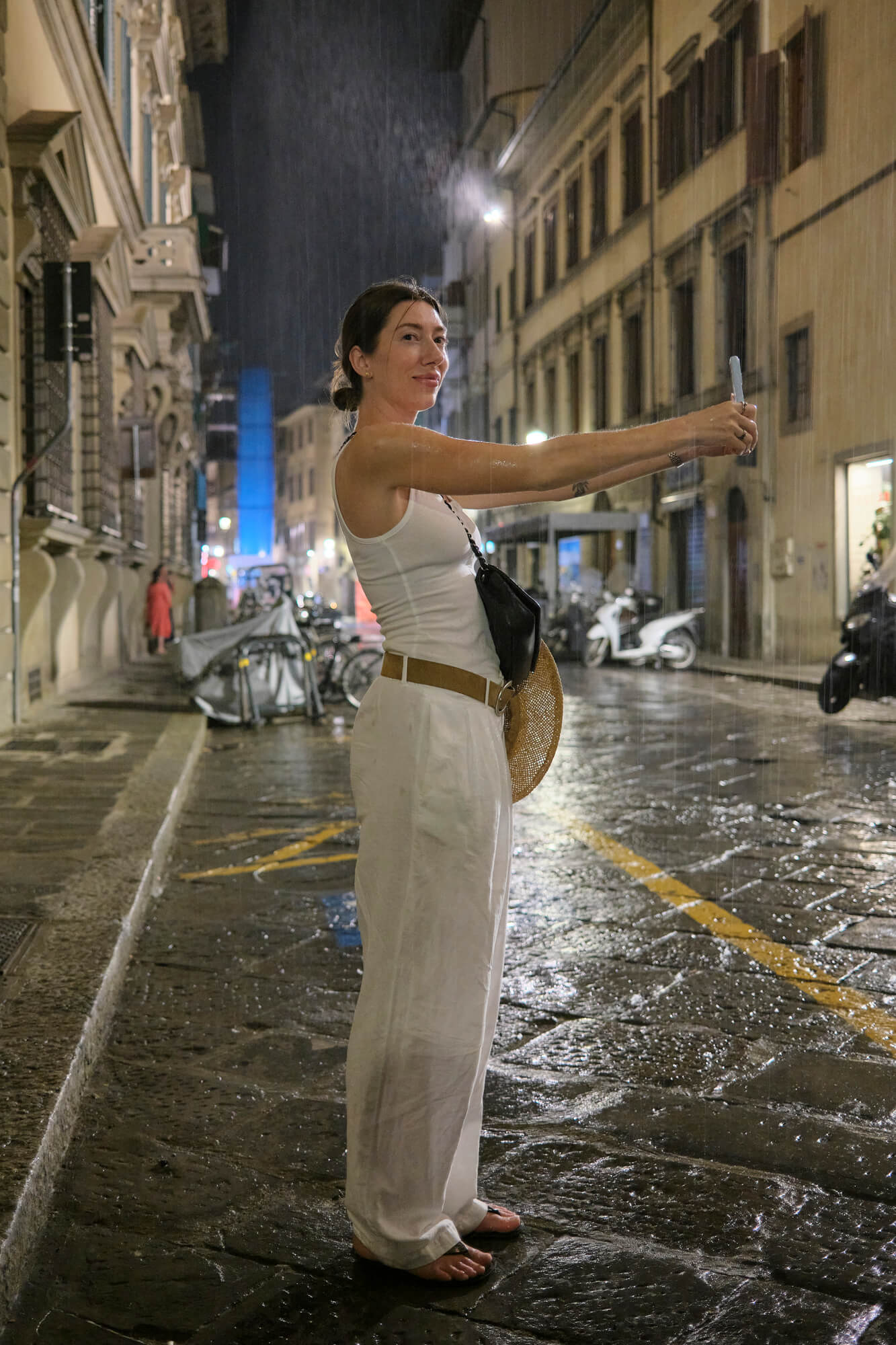
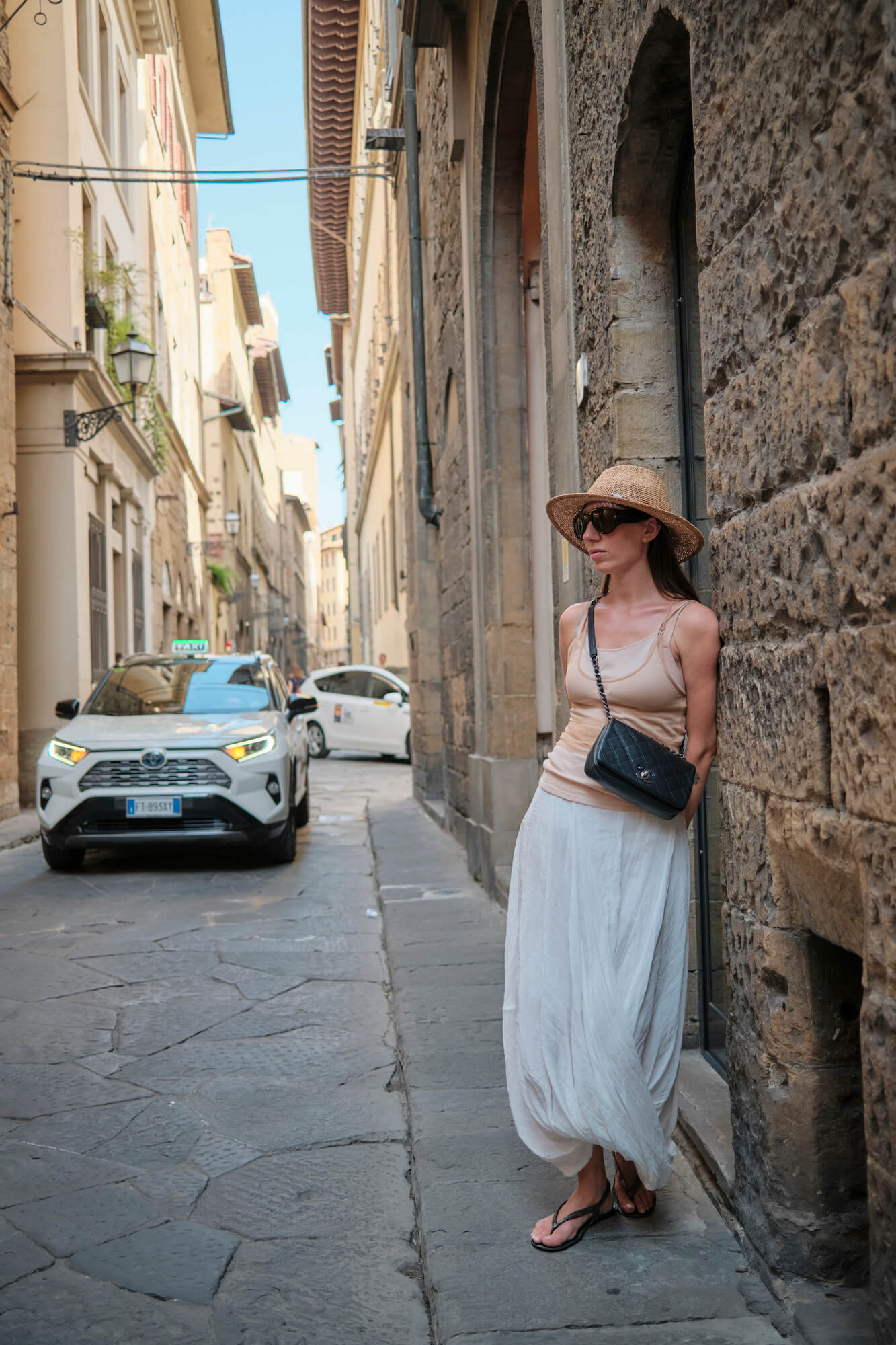
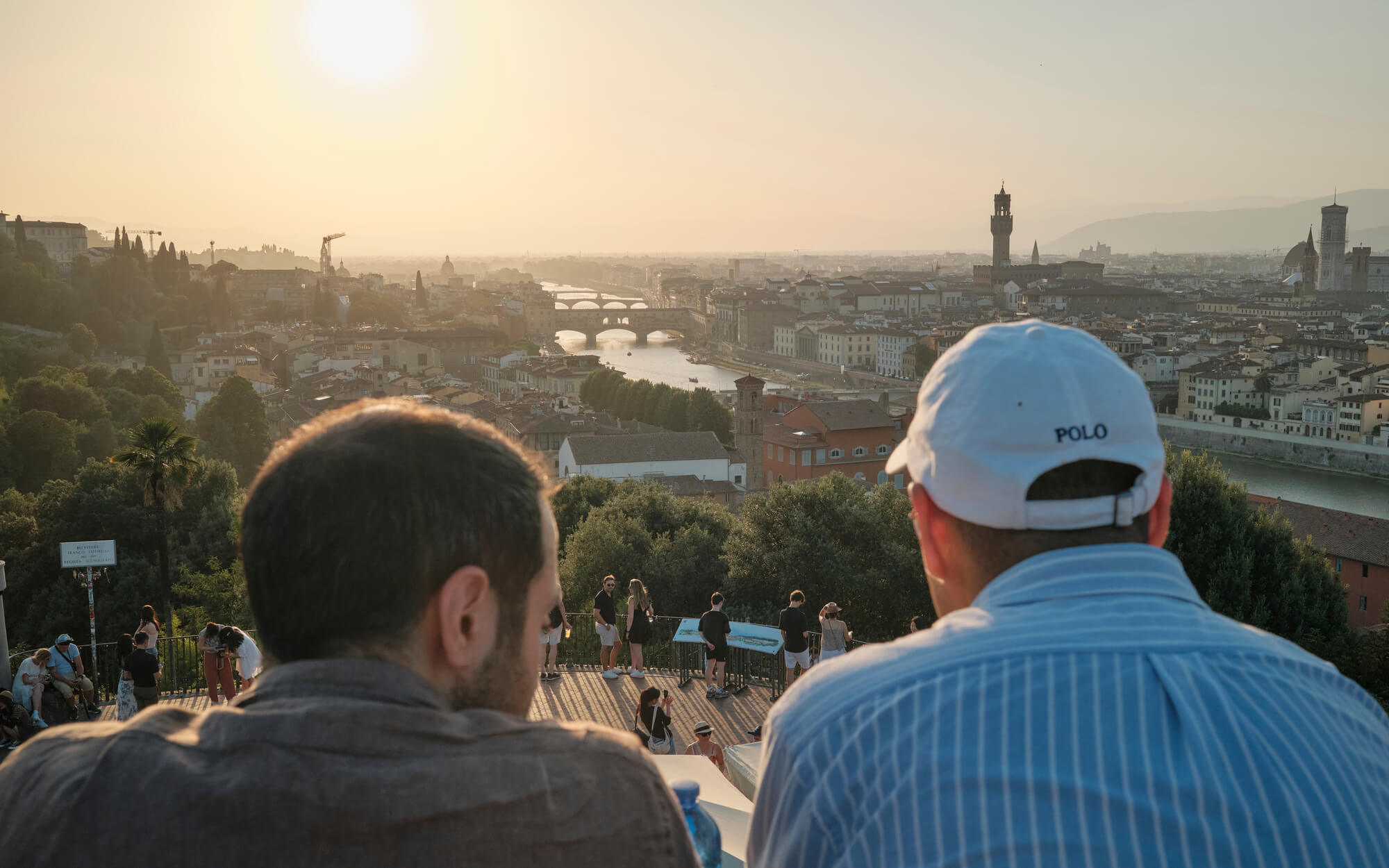
If you’re not into art and culture, that’s fine. Just get a gelato at Barroccino, refill your bottle with free sparkling water by the side entrance to Palazzo Vecchio, sit on the bank of the Arno, enjoy the view, and keep in mind you can revisit the city later in your life — when you’re ancient enough yourself to dig the boring dusty stuff.