This post is also available in Russian 🐻
Once, when I was much younger and brighter, I ended up in a hospital bed with blood poisoning after an unfortunate dental surgery. In my feverish state, I came up with a concept of “quantum fatalism”.


This vague idea sprouted as a reaction to theological existentialism permeating Dostoevsky’s novels — which I’d been compulsively reading between nasty surgical procedures that removed part of my jaw.
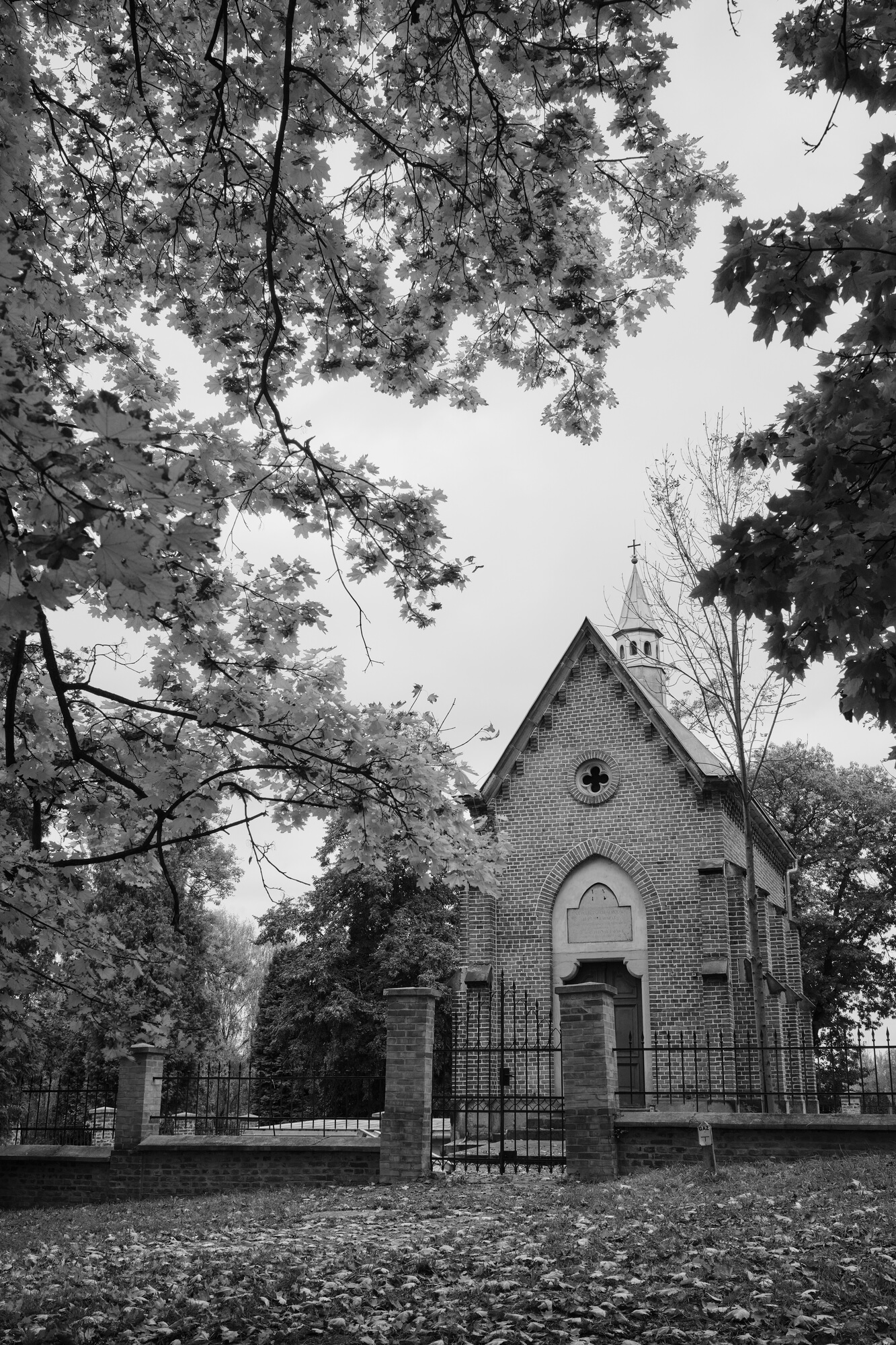
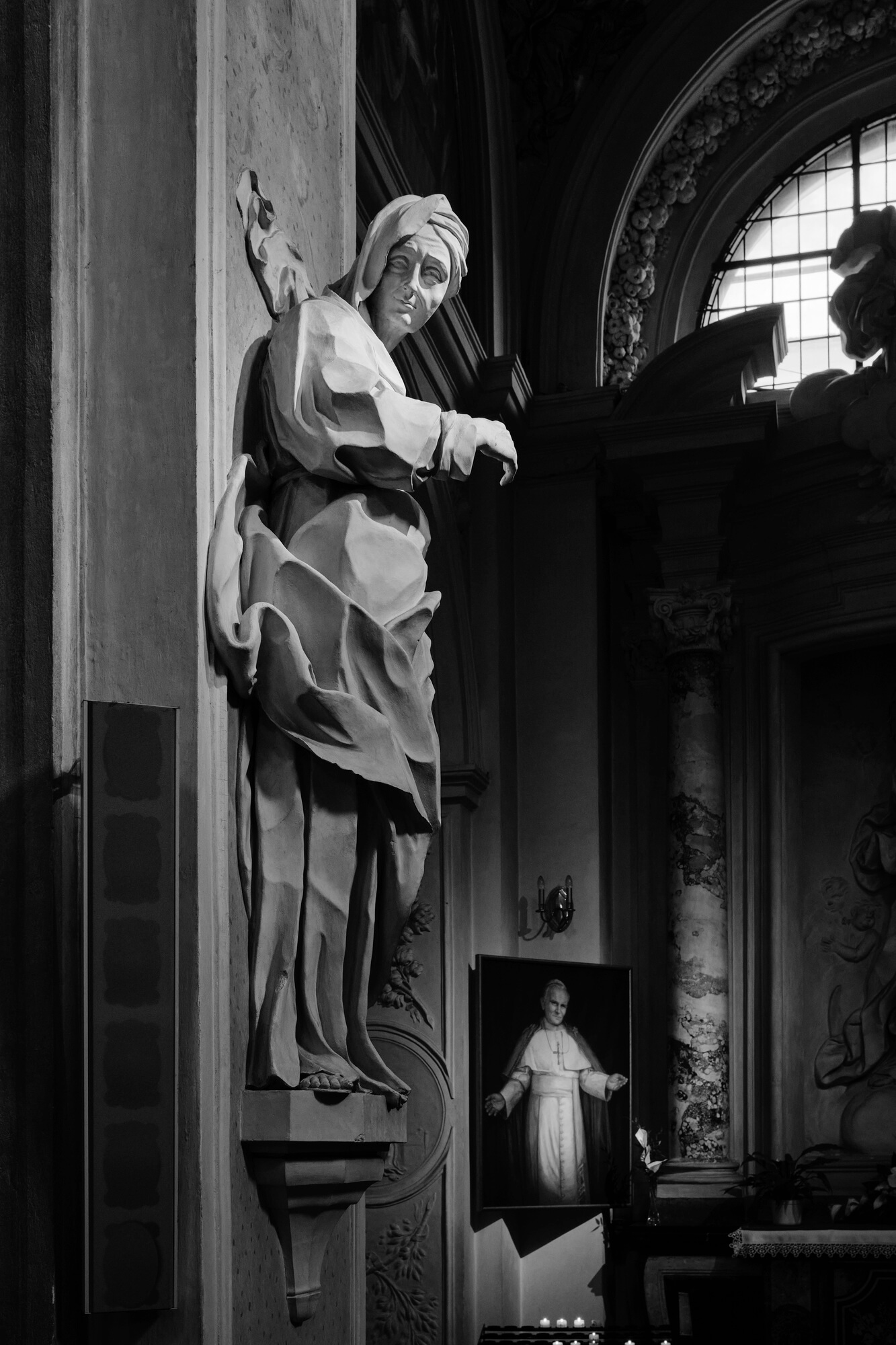
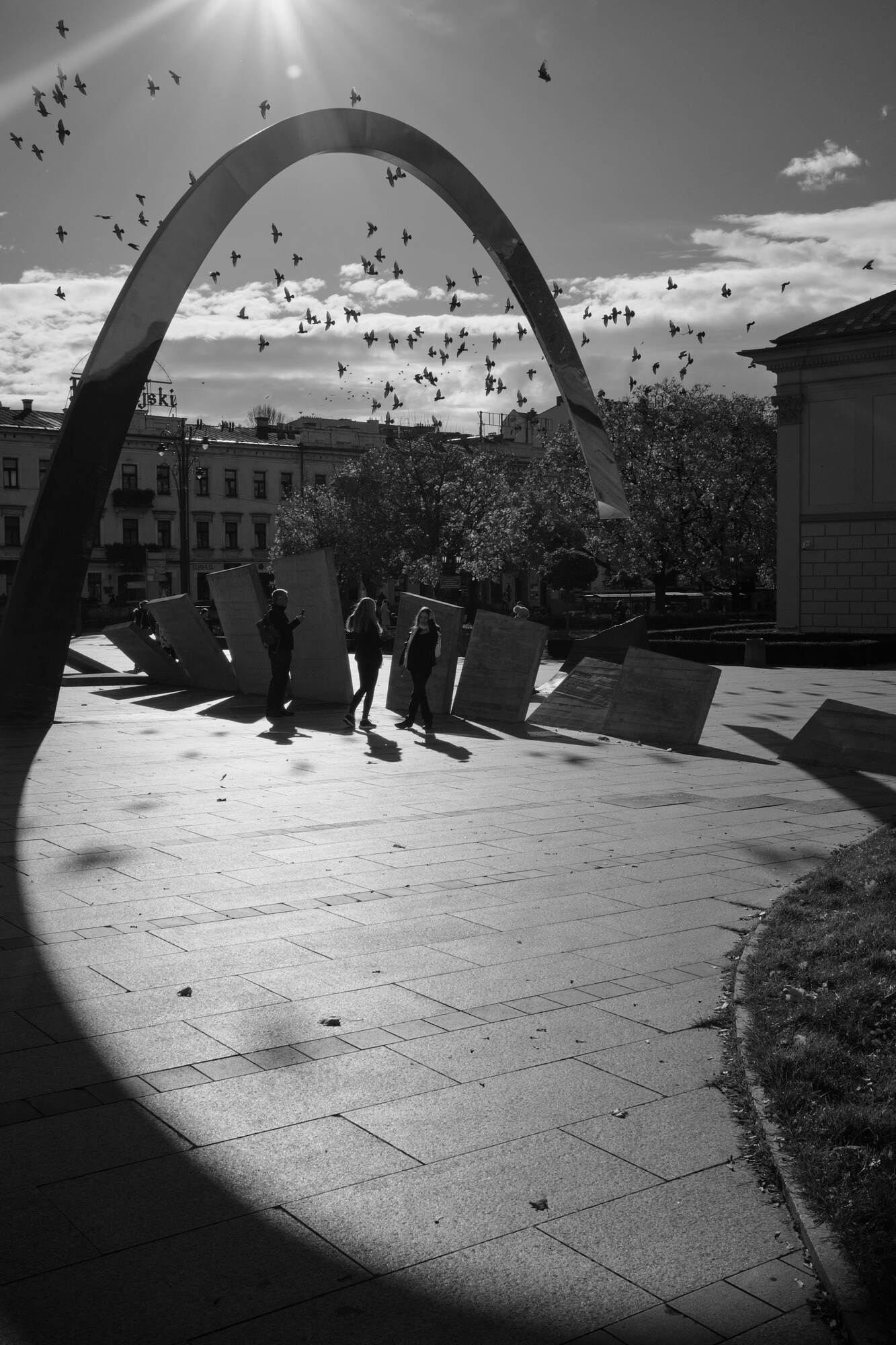

In that philosophical system (set by Kierkegaard), God remained the sole objective authority while endowing us with freedom of choice and conveniently dumping all the responsibility for consequences.



Dostoevsky added some Orthodox theology to the mix, dissolving much of that freedom and individualism with fear and repentance. But still left plenty of room to choose how exactly you’d suffer for your sins.




Though my miserable state was certainly a product of my free will, I couldn’t accept full responsibility, nor the idea that I should seek redemption through supernatural entities invented by dead poets.
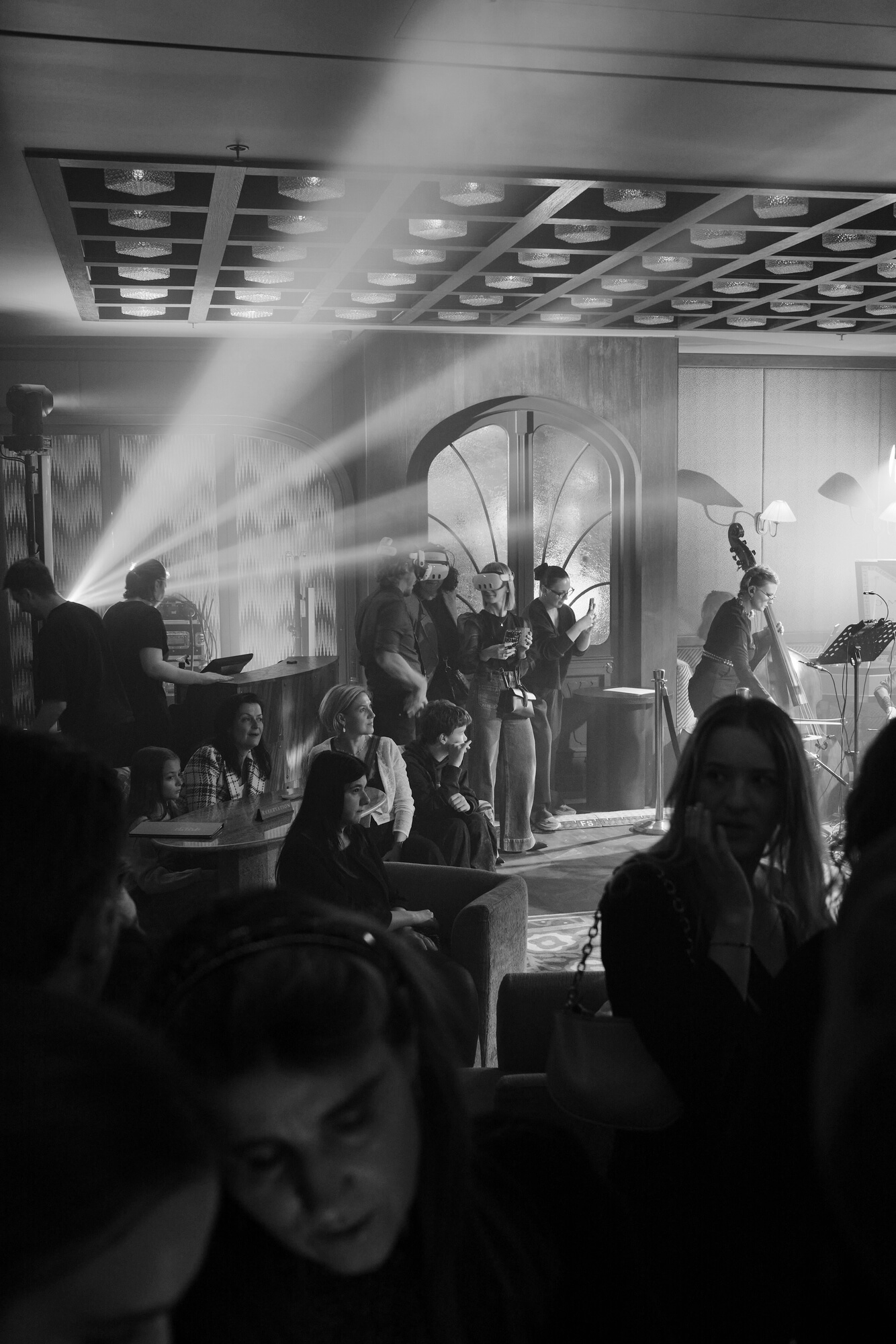

So I turned to dead scientists instead — they’d invented all kinds of stuff so deeply incomprehensible you could interpret it with whatever level of liberty your ignorance allows. Like quantum physics.

My idea was vaguely based on Everett’s interpretation of the ‘quantum suicide’ — the one where an observer, when facing a quantum event, always experiences whichever branch keeps their consciousness alive.



This leads to ’quantum immortality’ — the idea that an observer’s consciousness can’t cease existing as long as there’s at least one branch of reality that theoretically allows observations to continue.



In other words, while dying every second at every bifurcation point, each of us only observes whichever branch maintains the integrity and continuity of our consciousness as long as possible — or infinitely.

Sounds cool, until you realize the trade-off. The observer essentially trades free will for immortality — having theoretical freedom of choice but only observing the outcomes that kept them in the ‘ideal timeline.’


That’s quantum fatalism — dragging the non-subjective observer from bifurcation to bifurcation, leaving them to measure system changes without any ultimate goal, supernatural purpose, or illusory freedom.


So where late existentialism says — in Sartre’s words — that ‘existence precedes essence, ‘ quantum fatalism claims both essence and existence are just a deterministic algorithm (and we’re just hardware).


If that’s the case, Dostoevsky’s famous ‘everything is permitted’ gets even more radical — because there’s not only no God, but no will, no struggle, and certainly no catharsis. Just wave function collapse.




And please, don’t ask how this text relates to the pictures.