This post is also available in Russian 🐻
Portugal was one of the last white spots on my map of Europe, and another dreary Krakowian winter delivered the perfect excuse to finally visit — starting with Porto, the country’s birthplace, its second largest city, and cultural treasury.
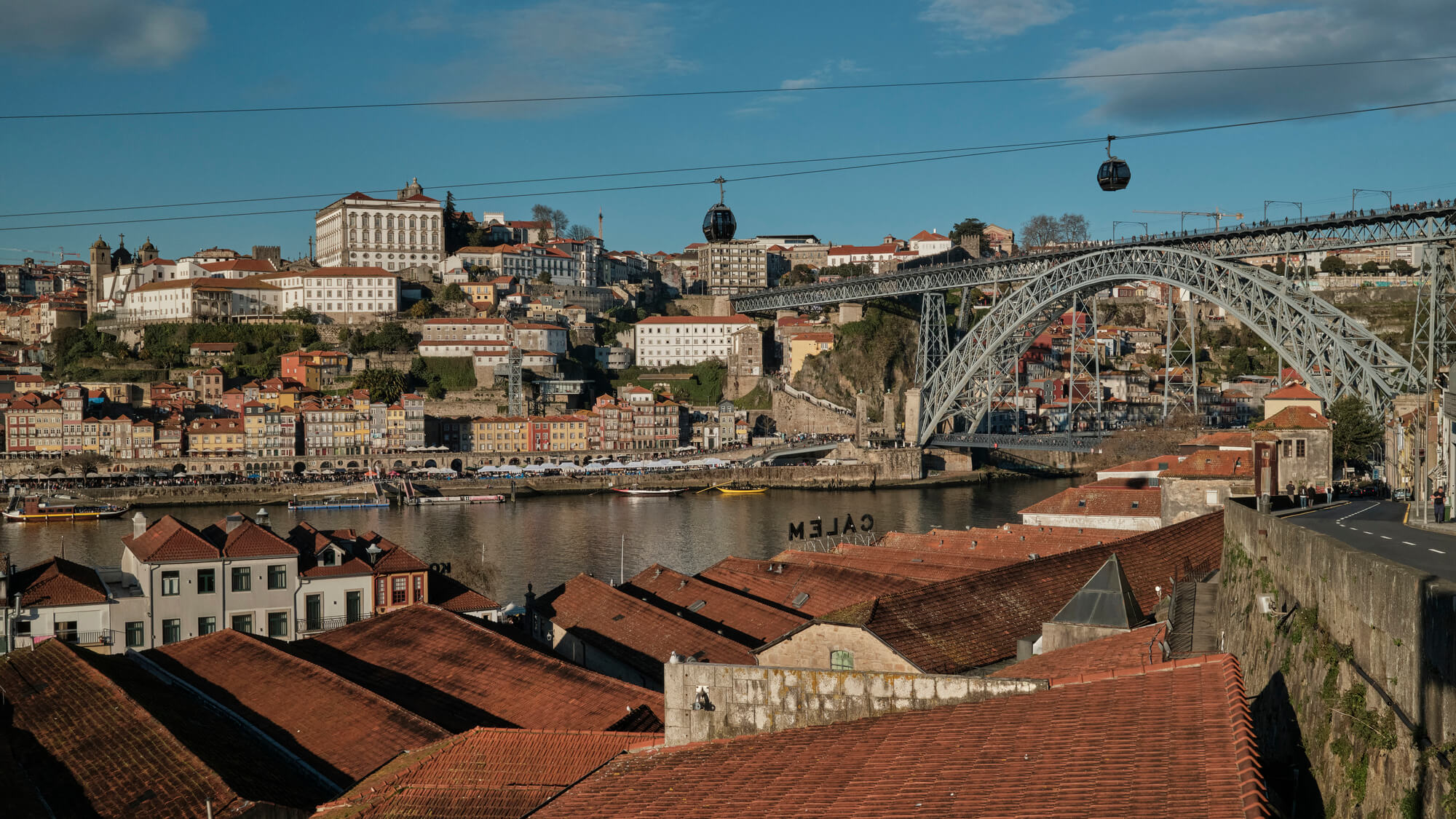
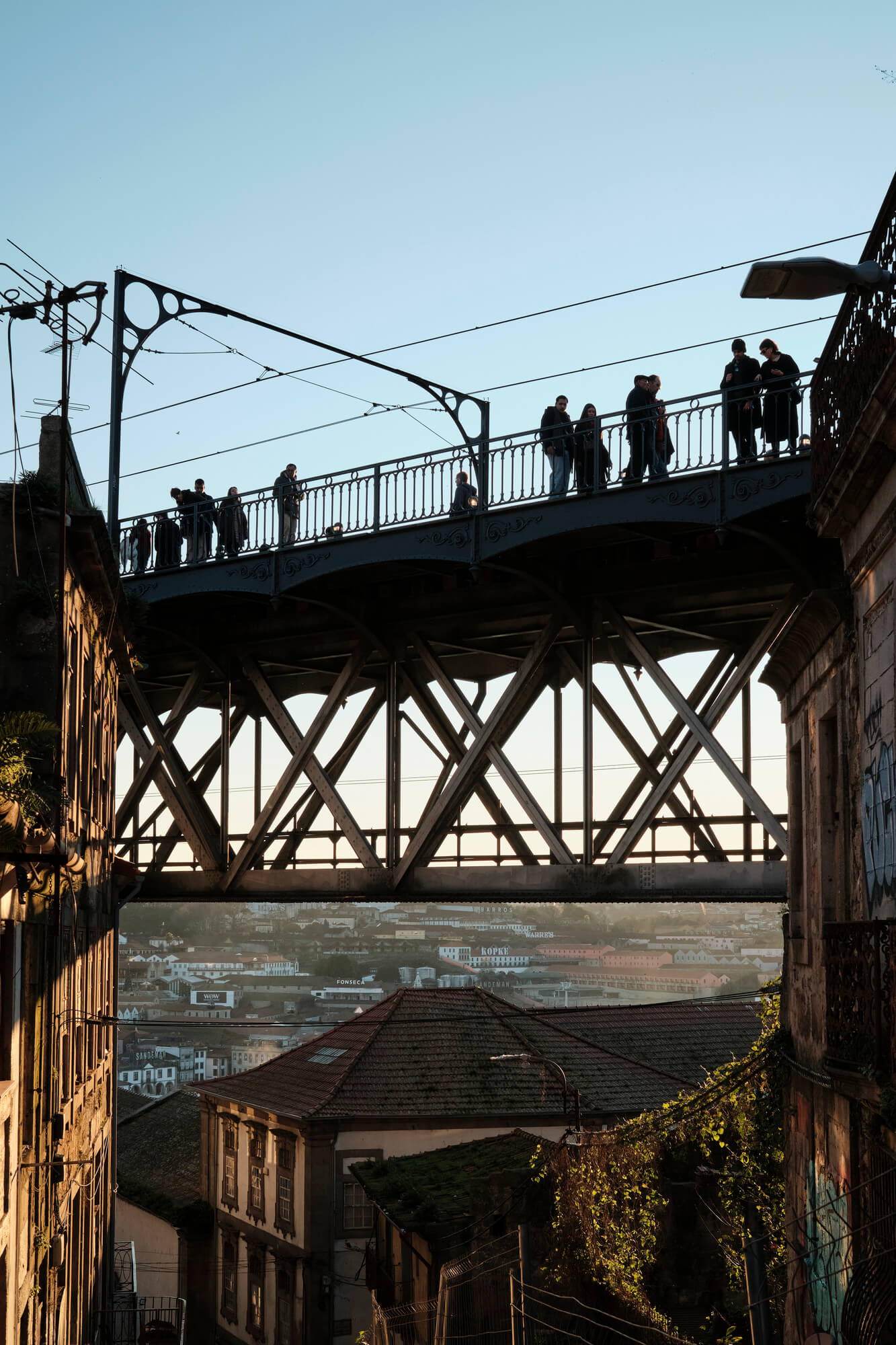
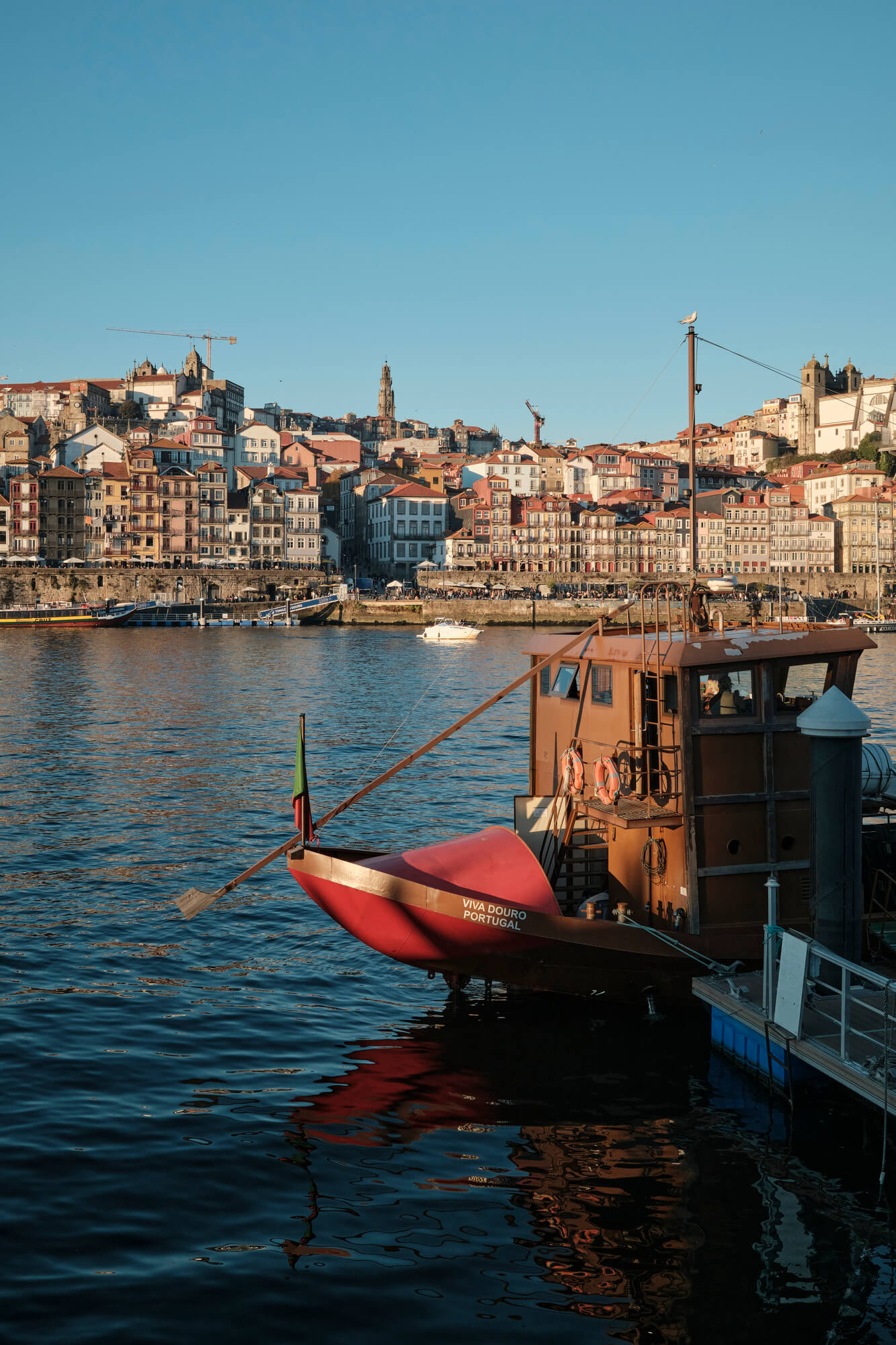
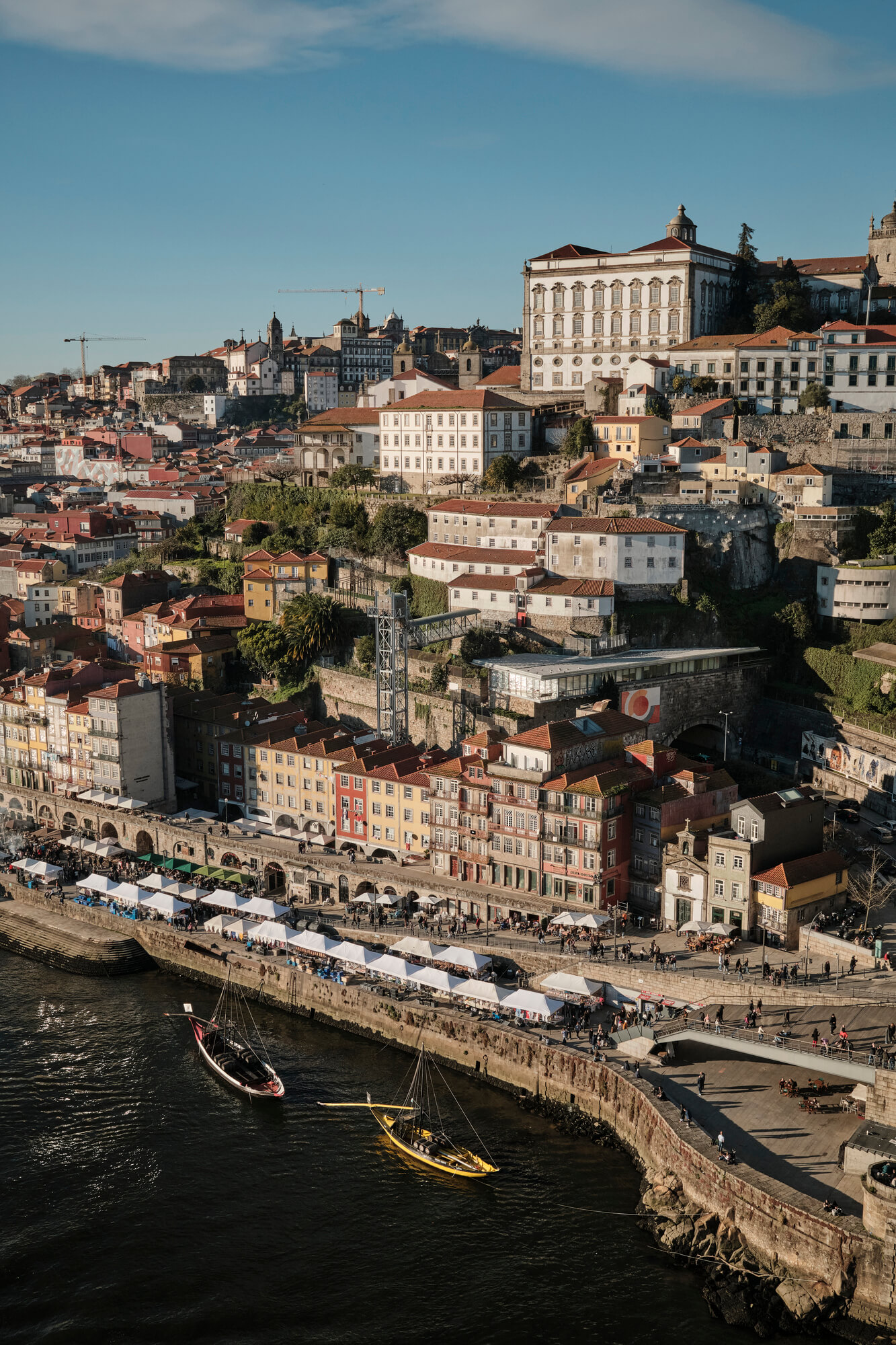
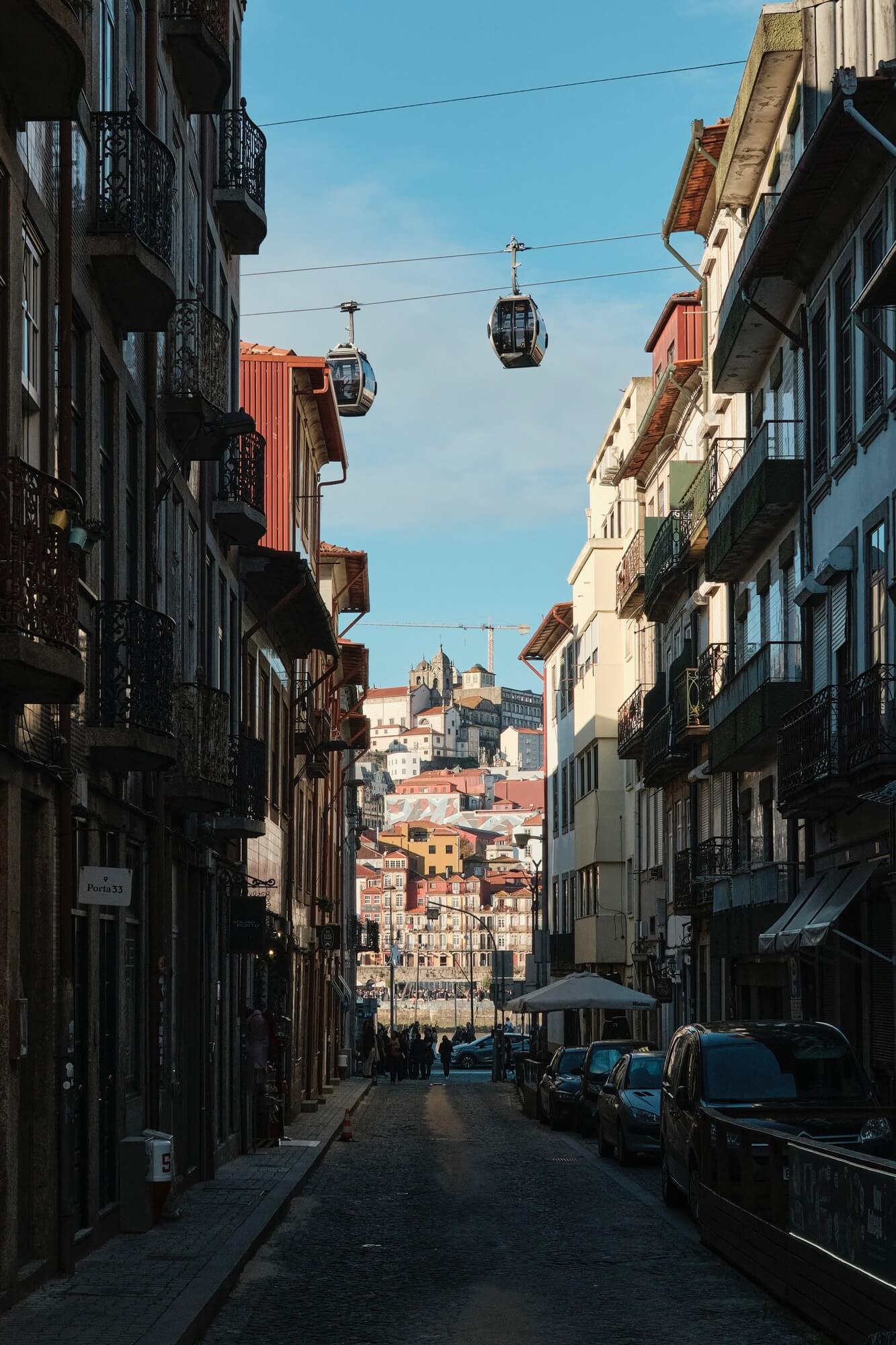
Located some 300 km north of Lisbon, Porto is home to just about 250 thousand people. But with a metropolitan area of 1.8 million inhabitants, it feels anything but small — and the crazy terrain makes every kilometer count for three.
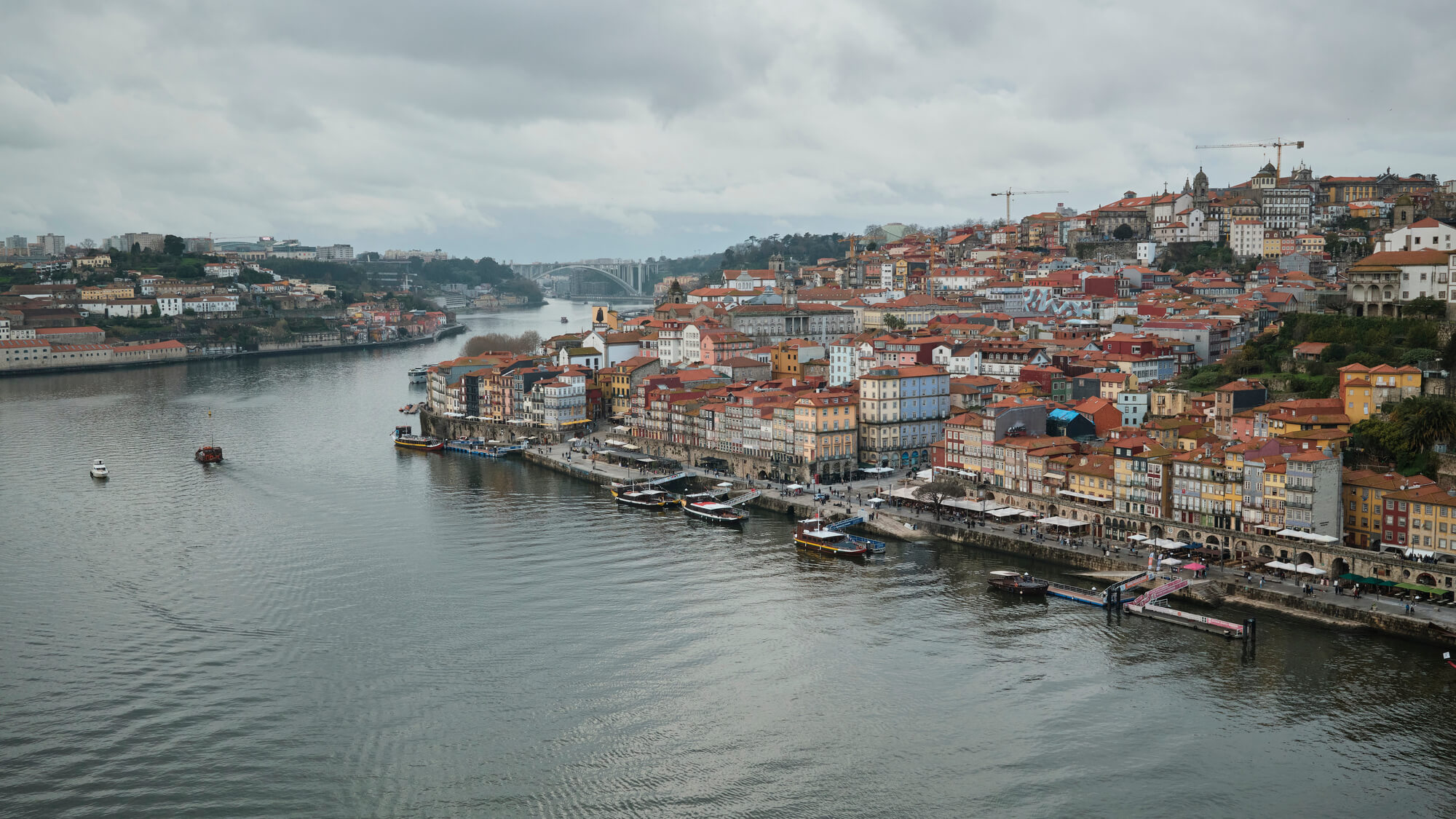
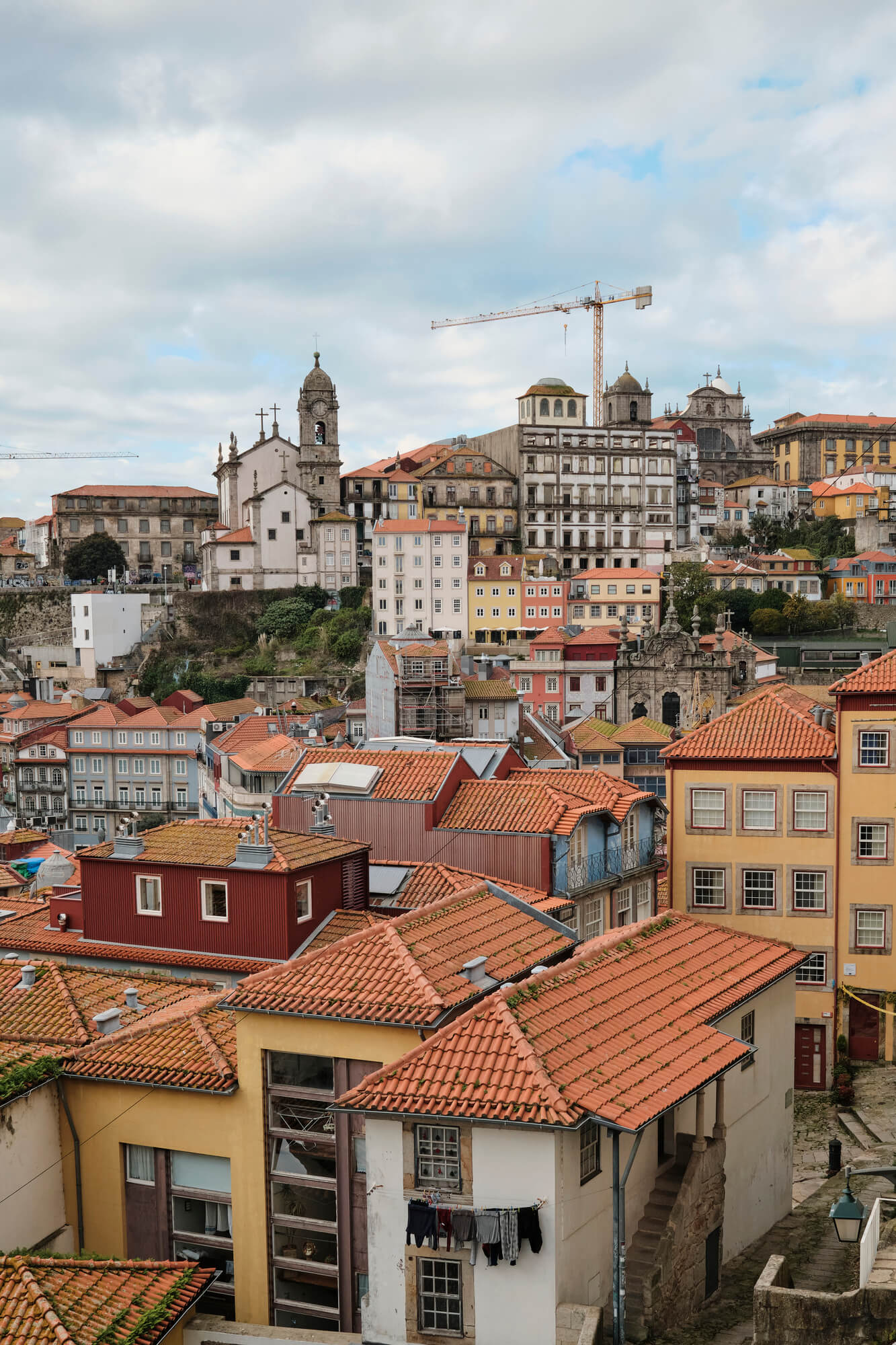
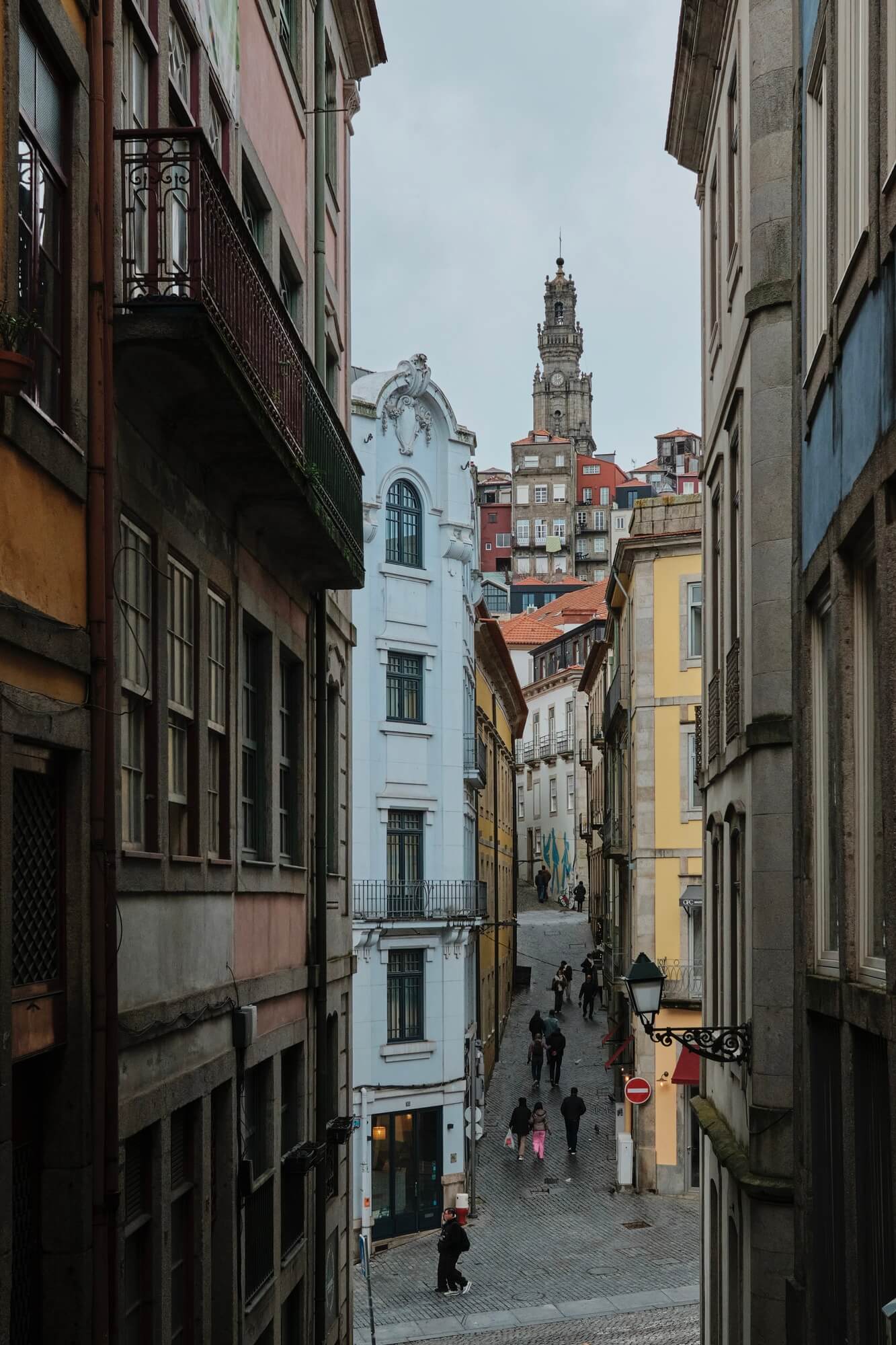
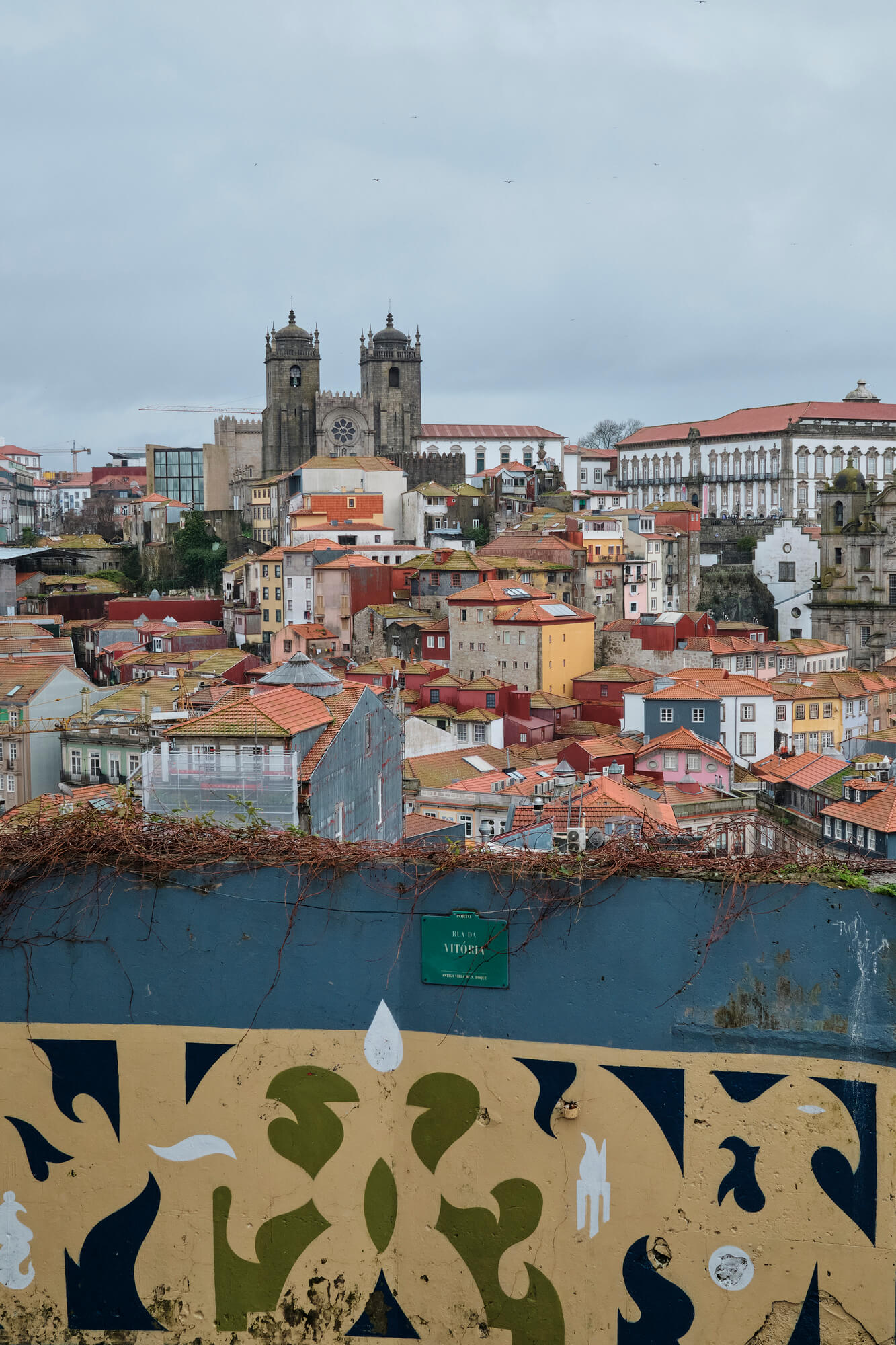
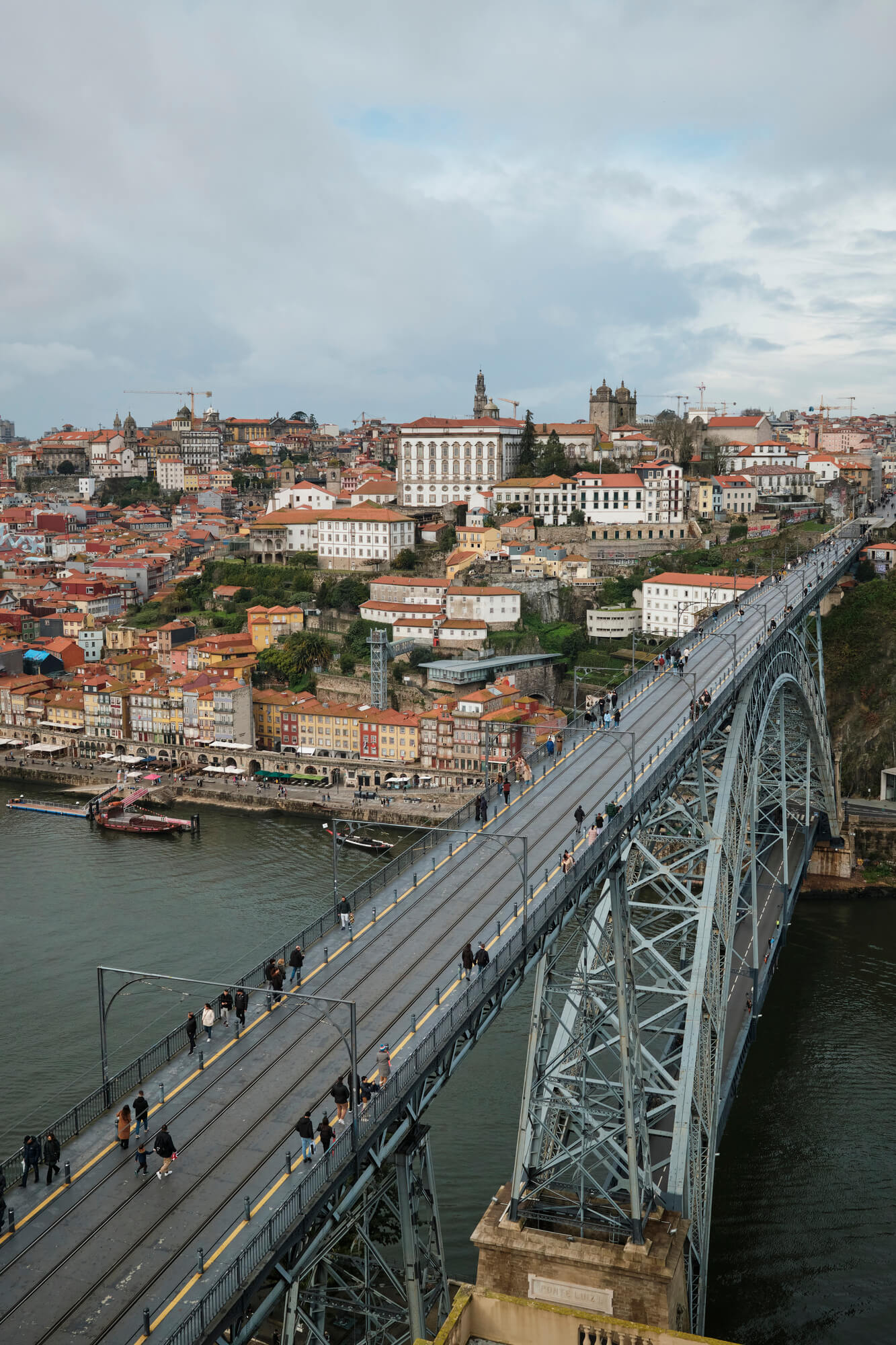
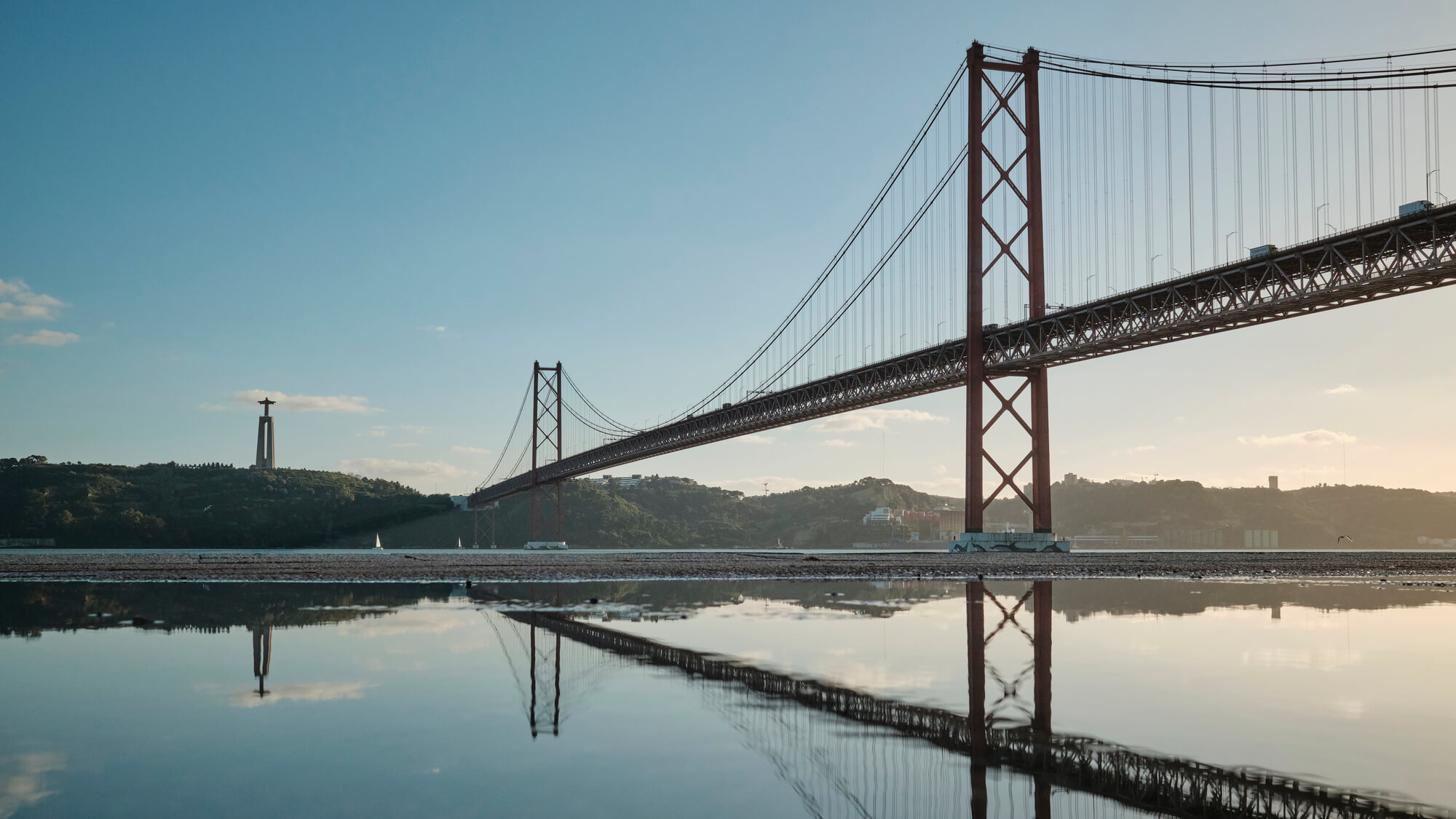
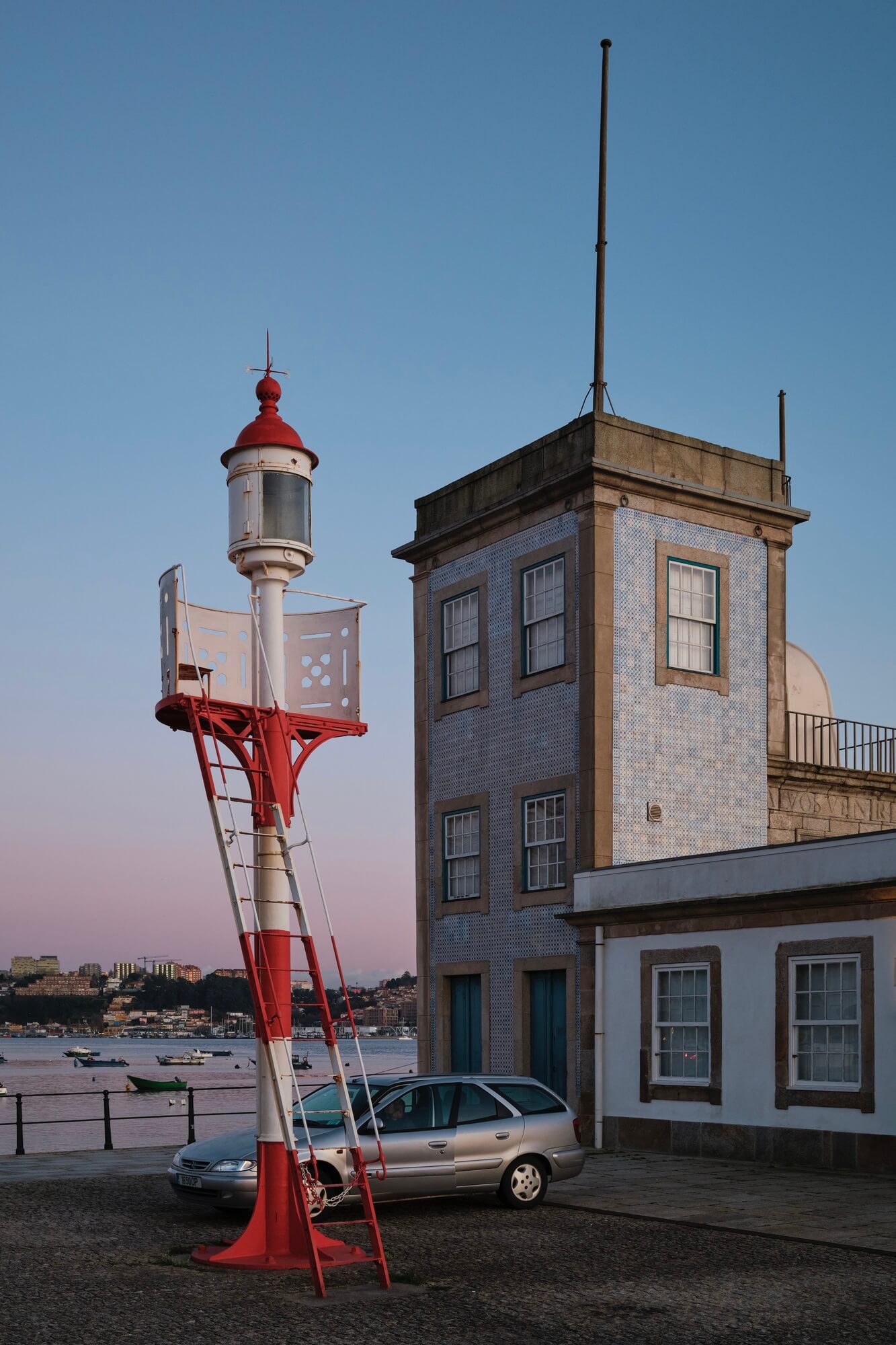
The historical city center is beautiful, with its narrow streets, Gothic churches, azulejo-tiled houses, crazy bridges, and whatnot. It has much to offer a tourist, and tourists gladly return the favor with their heavy presence — even in winter.
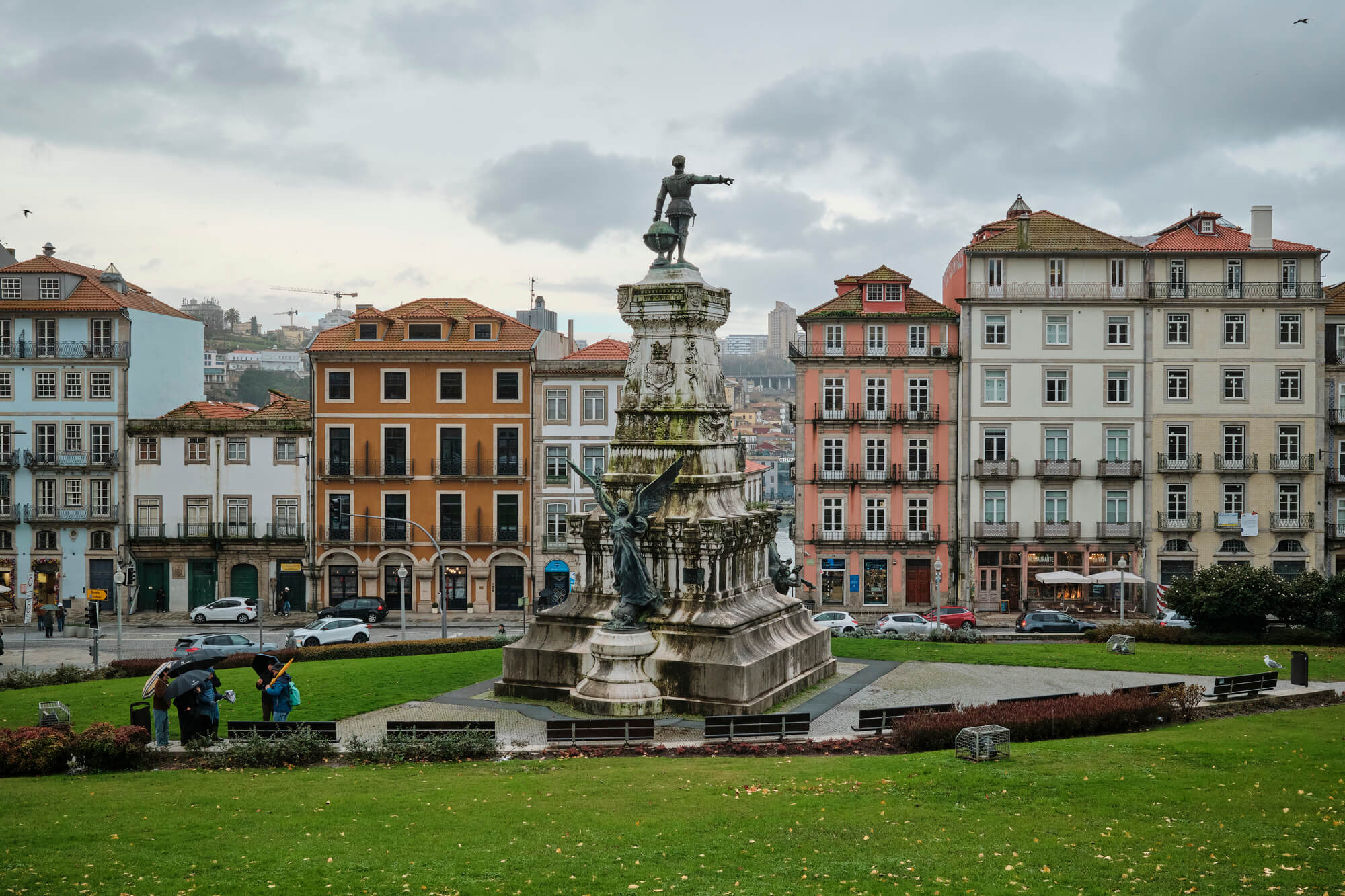
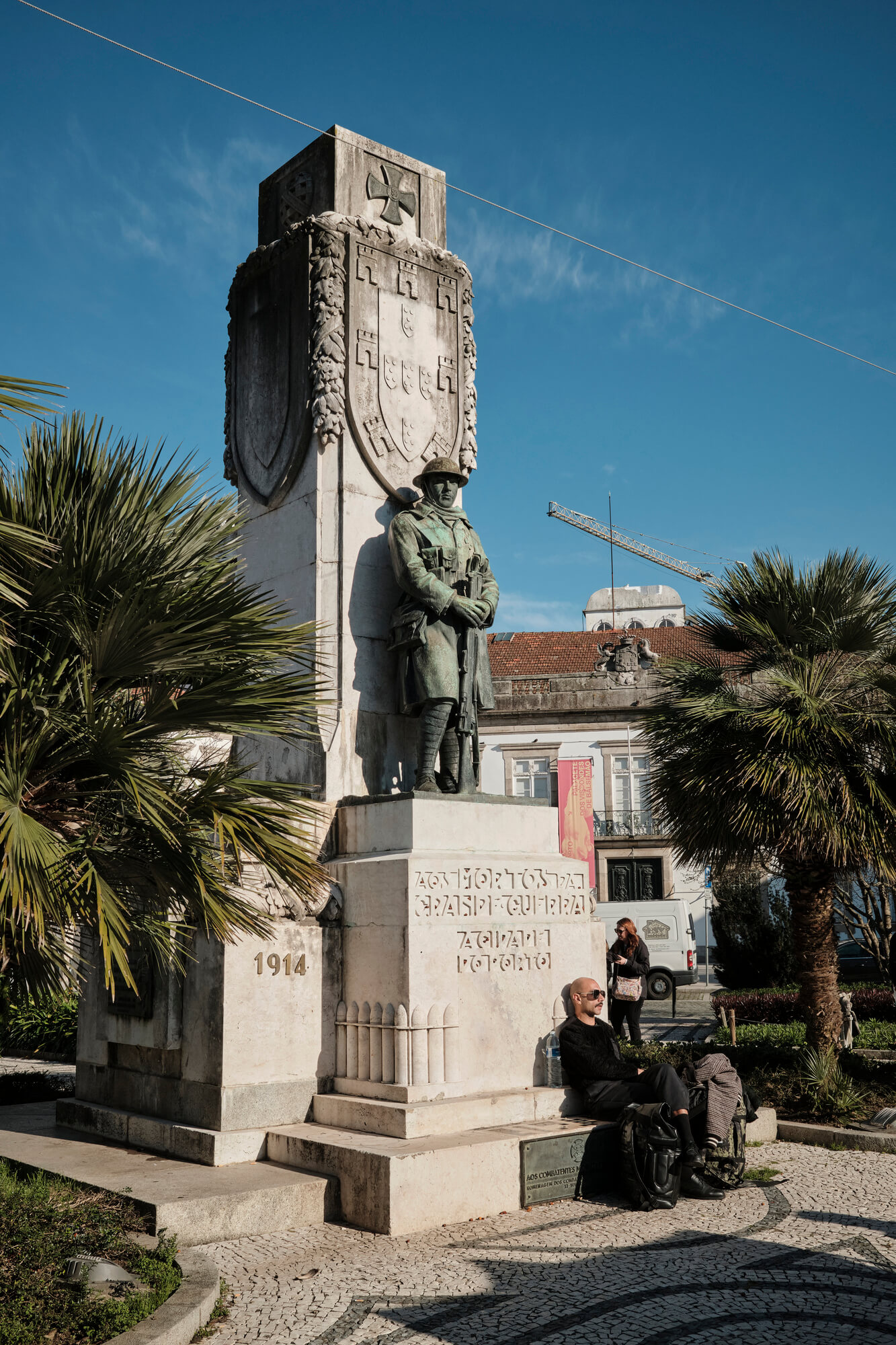
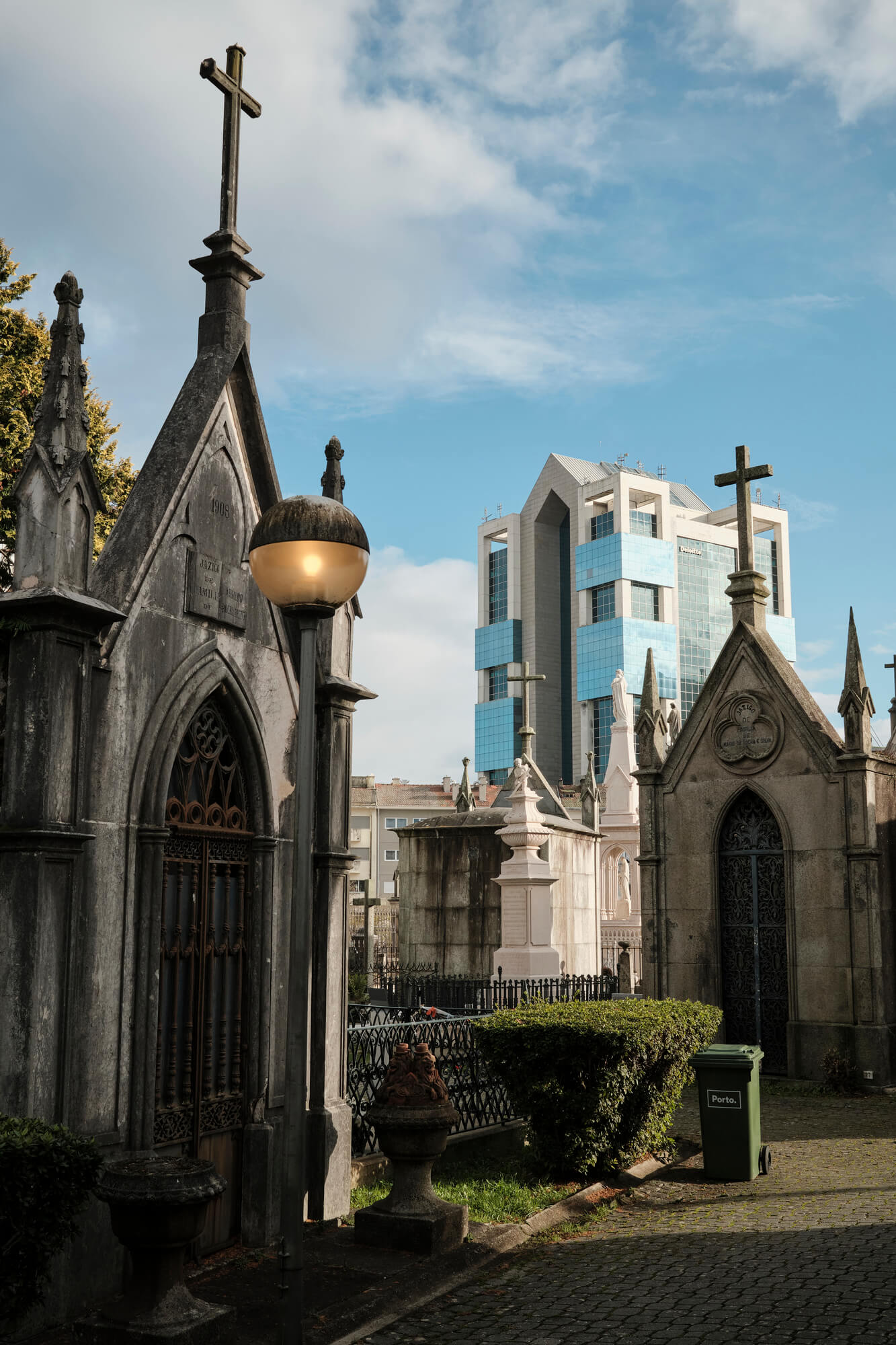
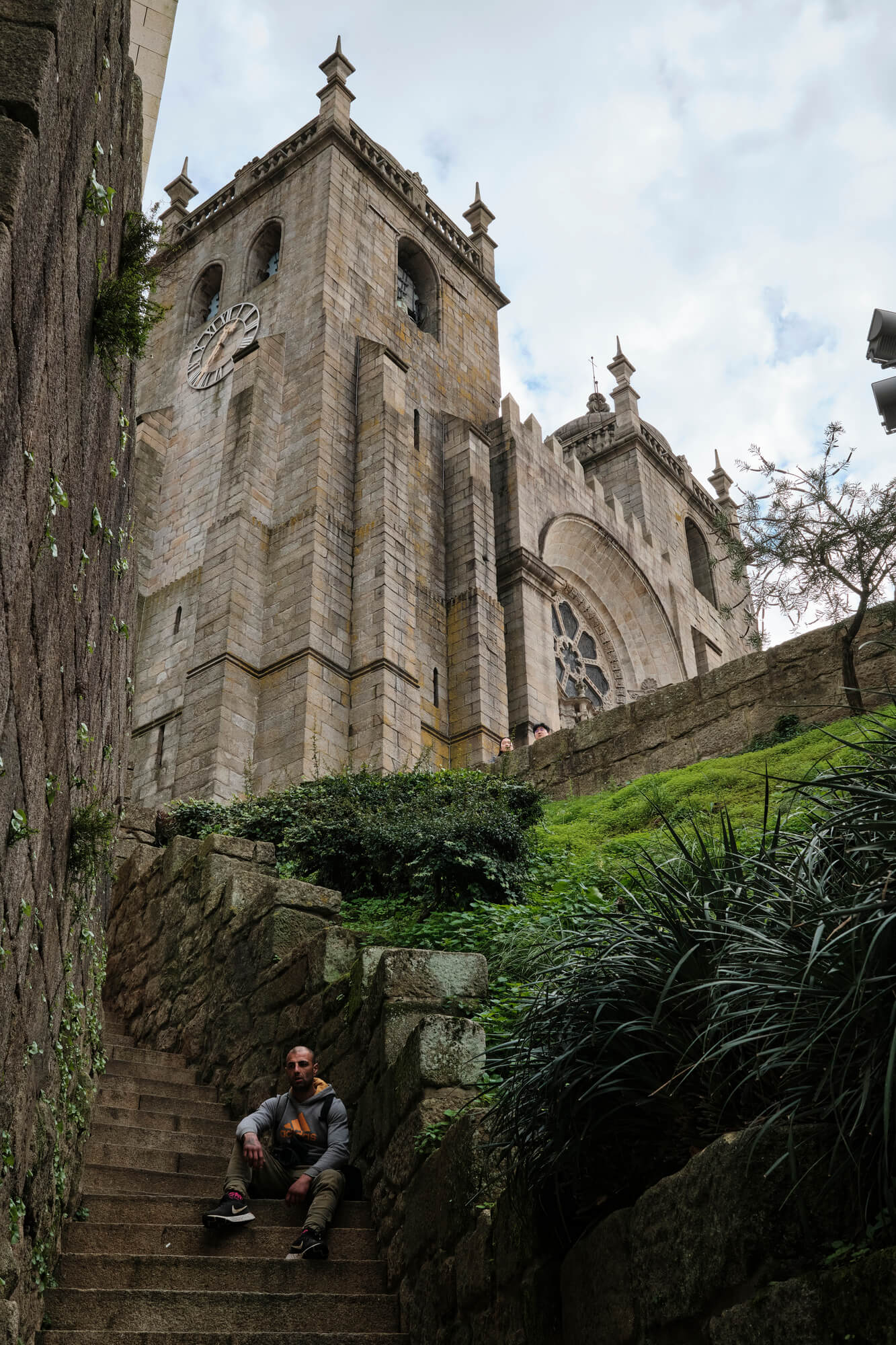
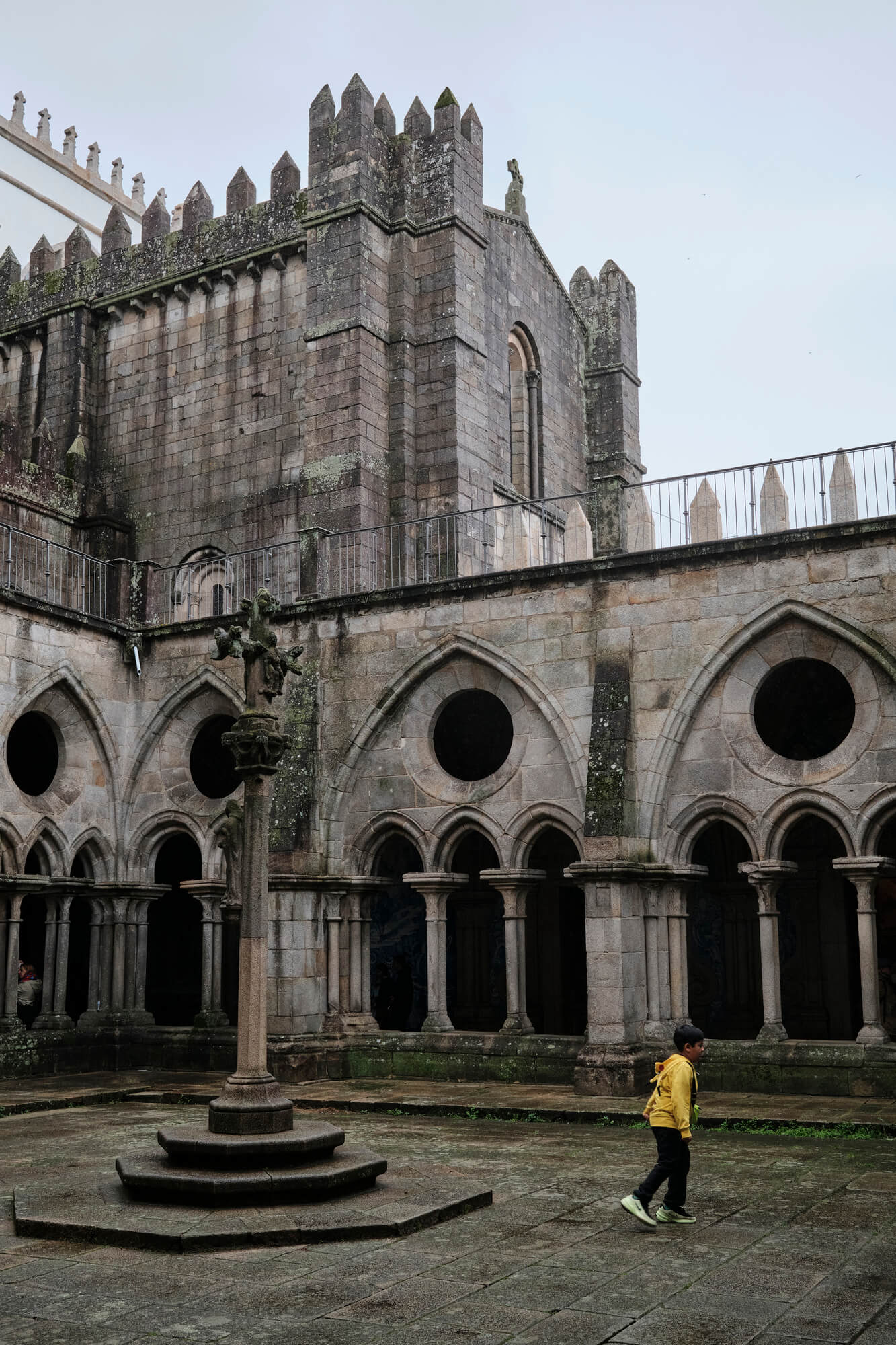
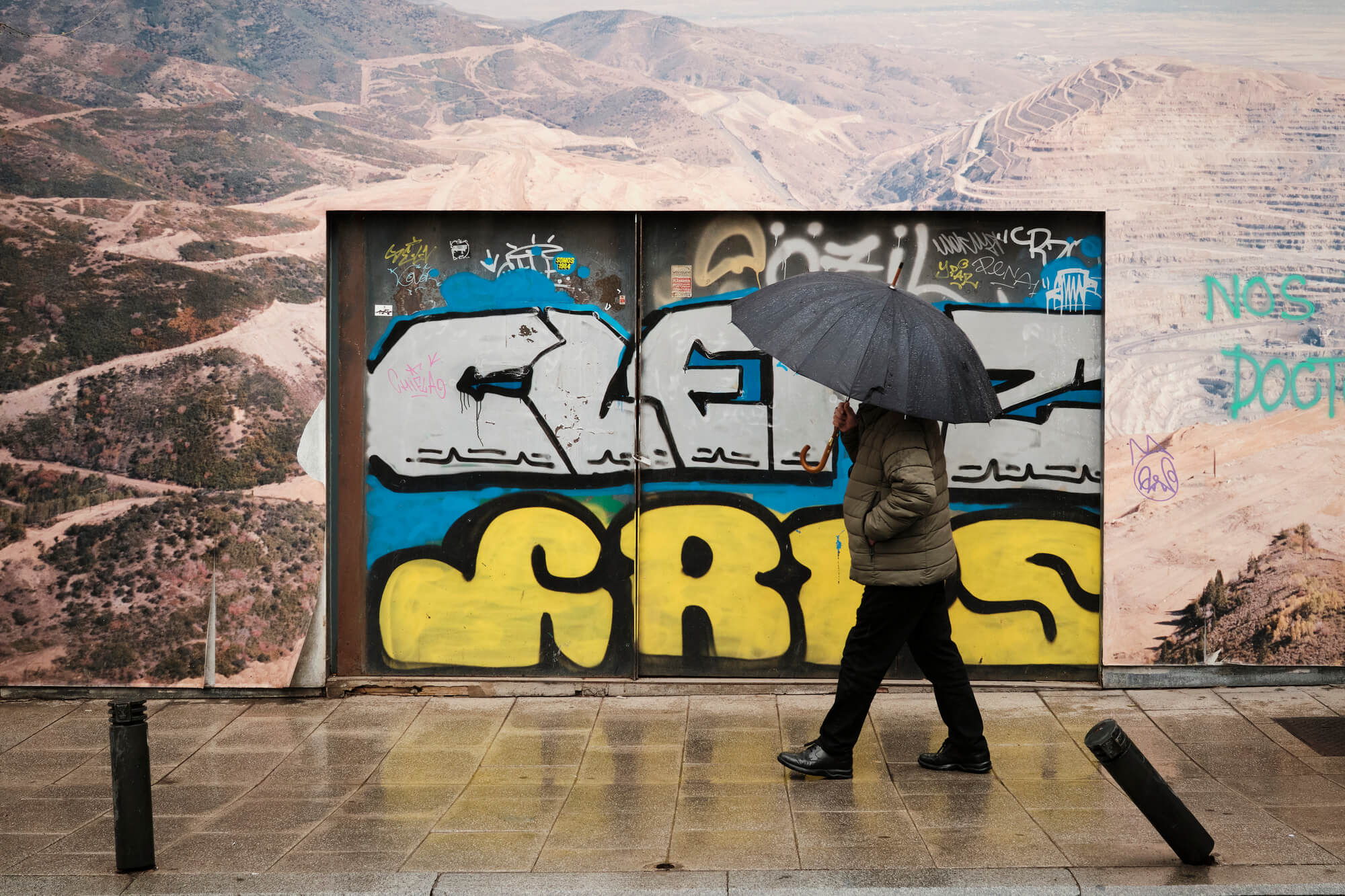
The weather during that season is far from perfect, with lots of sudden rainfall, gusty winds, and daily temperatures around 10°C. Still better than Kraków — but you should pack a raincoat, an umbrella, and a pair of water-resistant shoes.
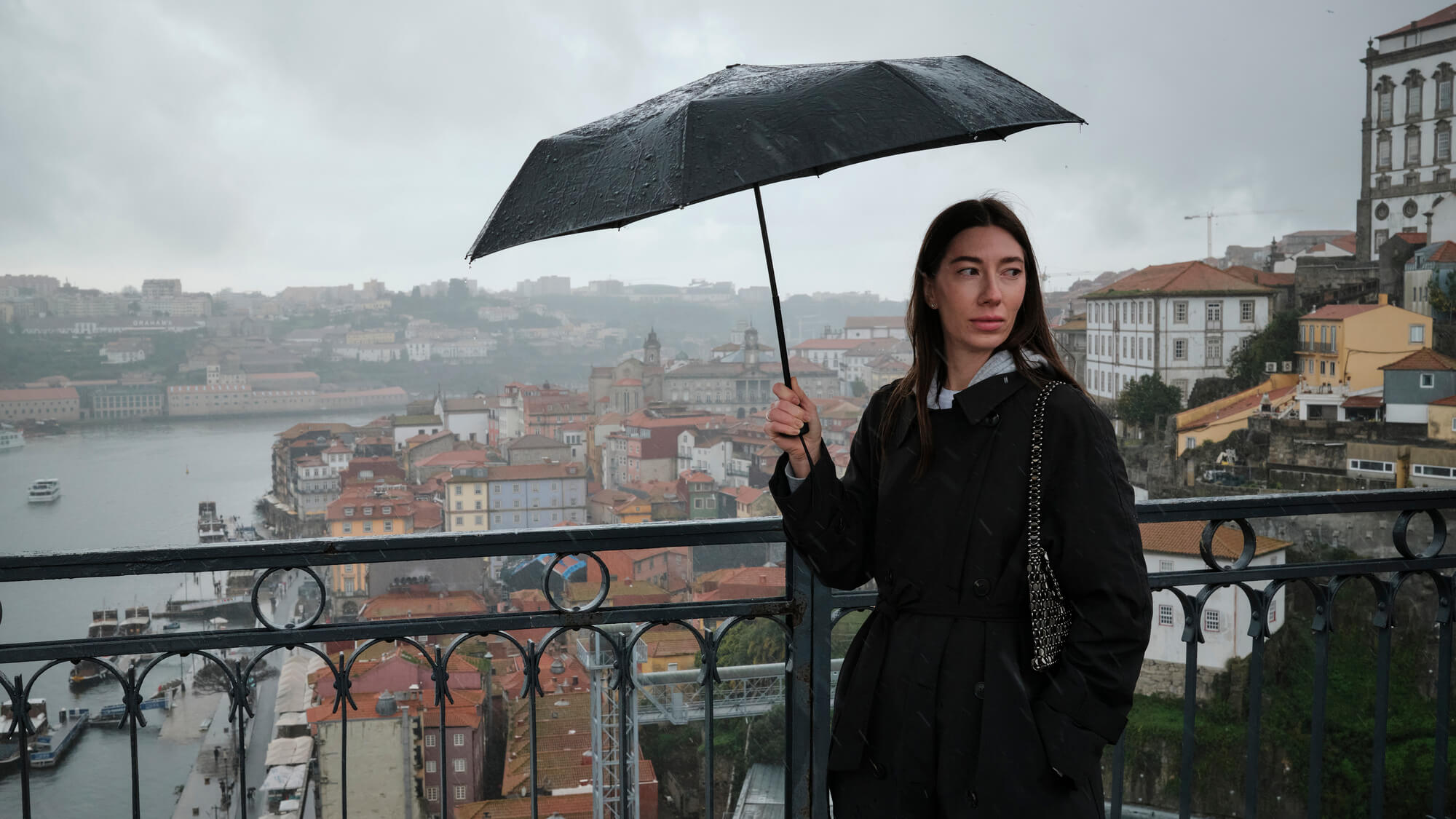
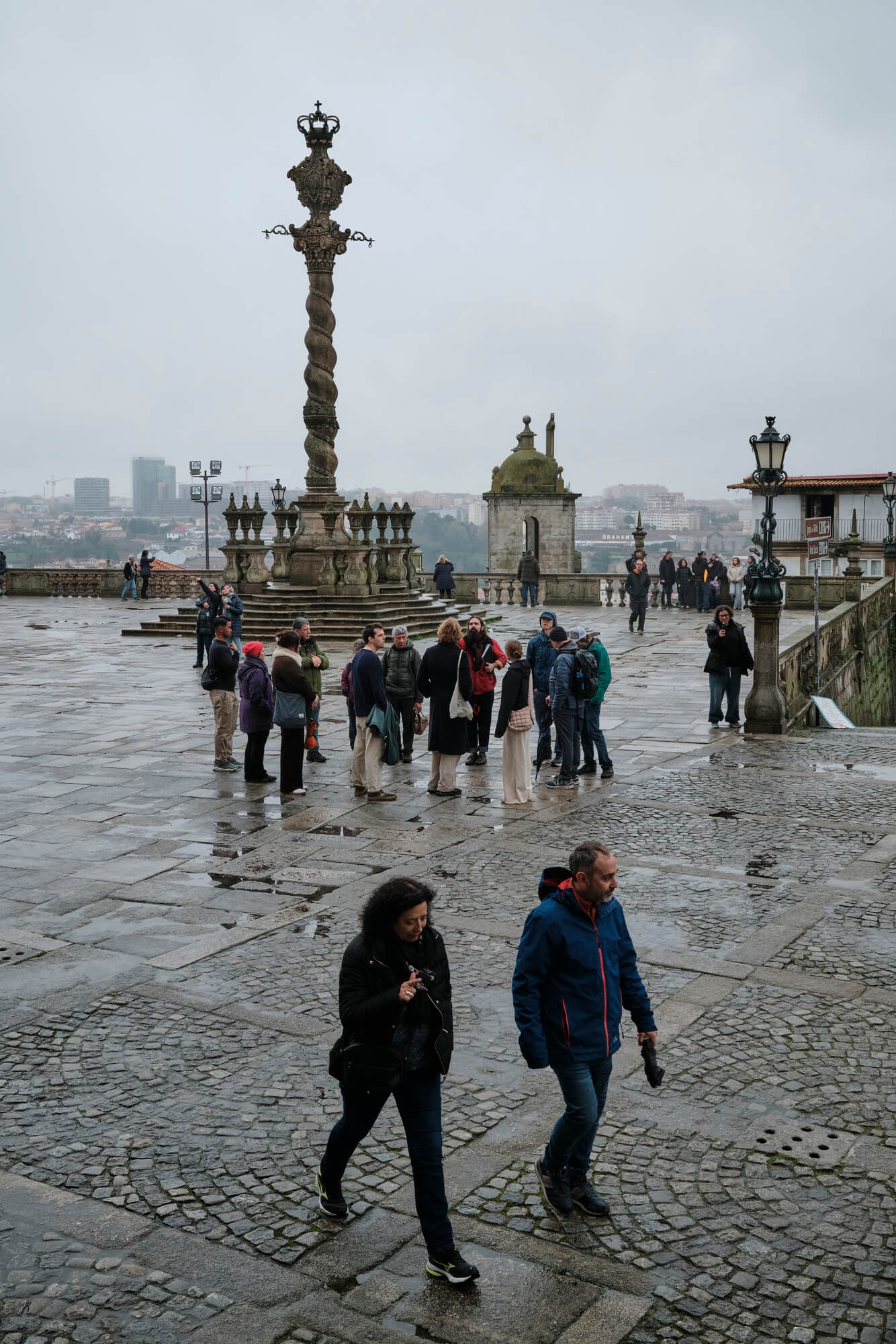
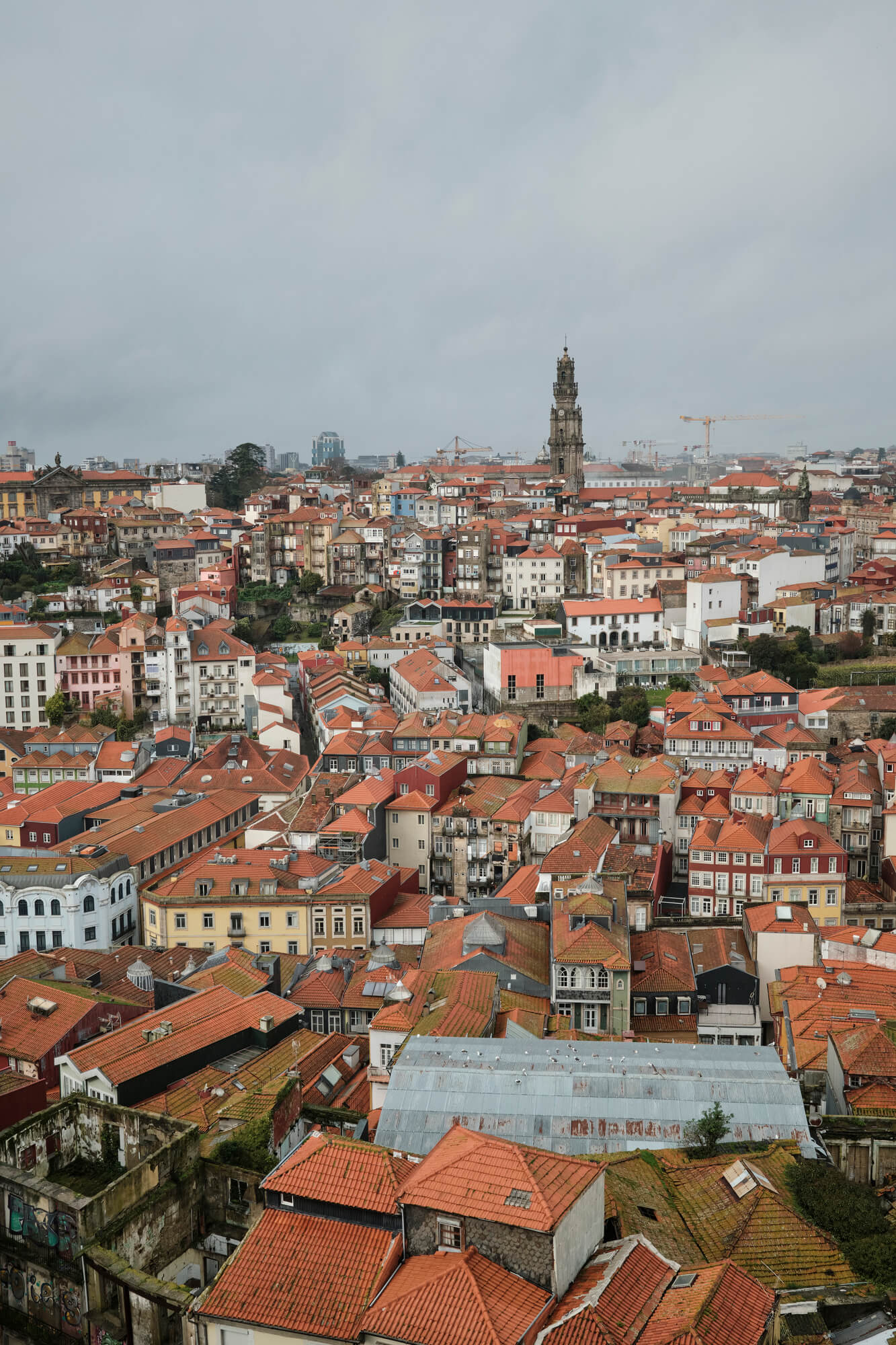
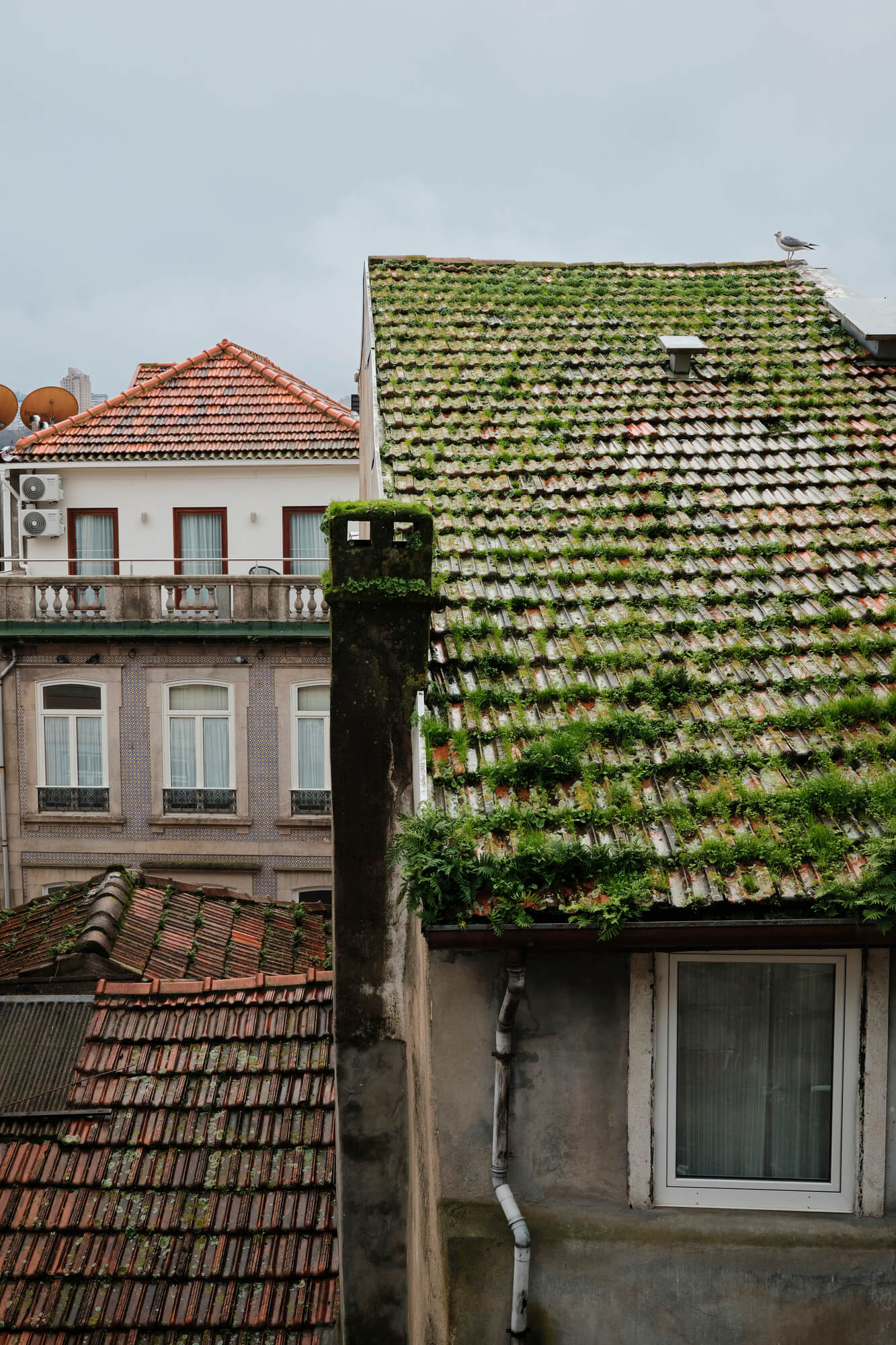
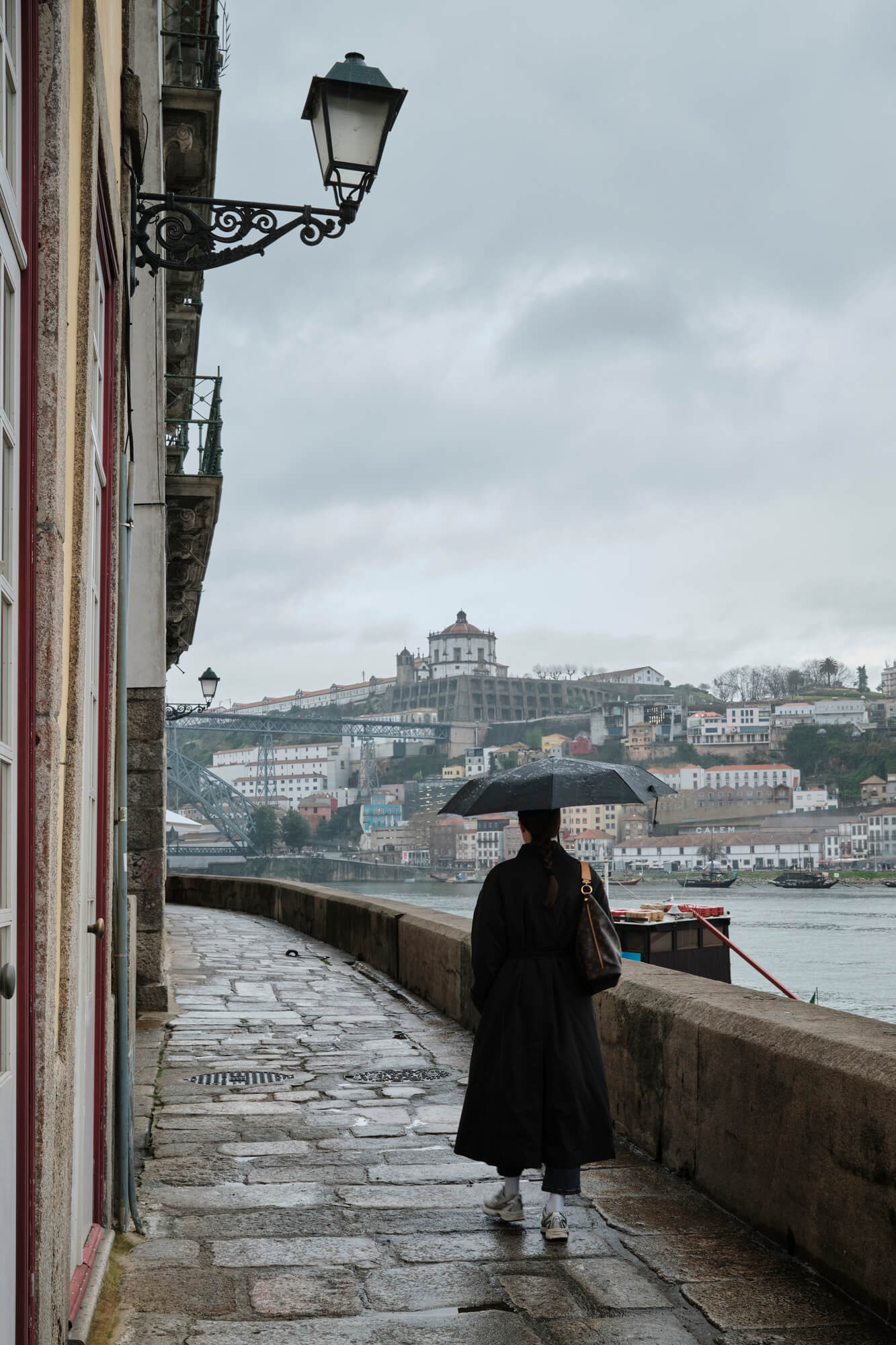
Looking back at the entire trip, I can say Porto looks way more like the Portugal I’d been imagining compared to Lisbon. Being fairly gentrified, it still manages to carry over a sufficient volume of raw, chaotic local vibes that crave exploration.
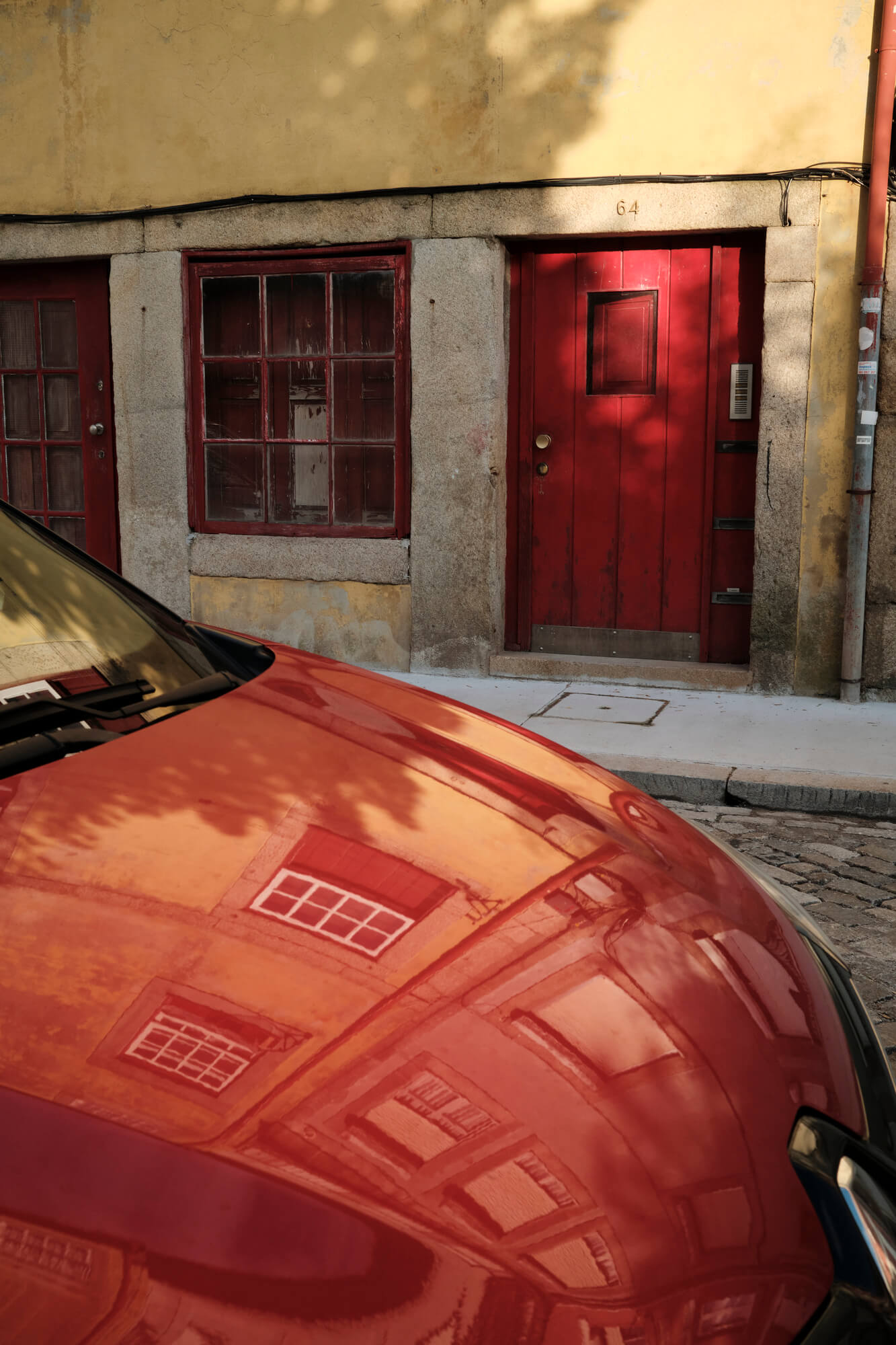
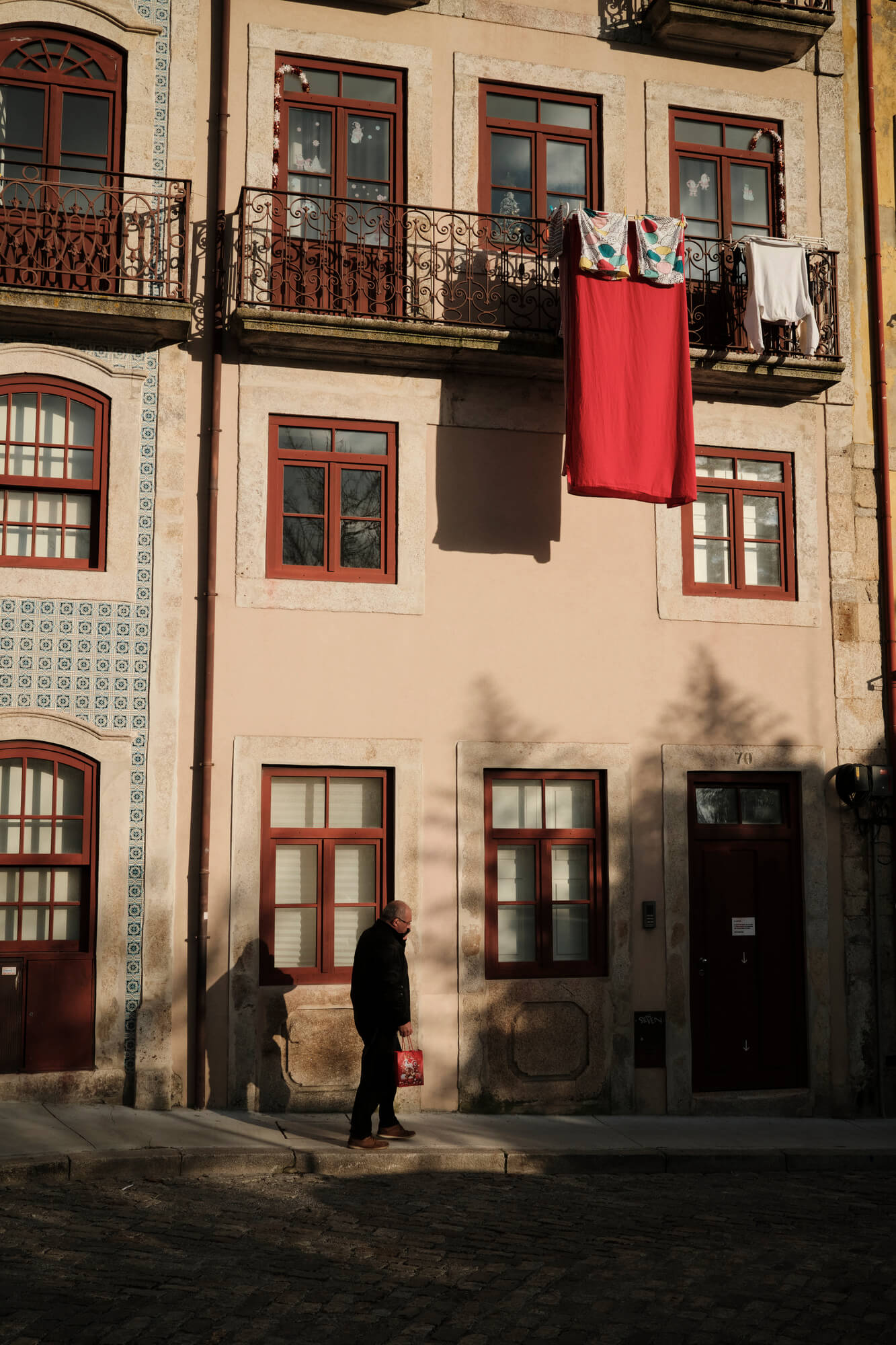
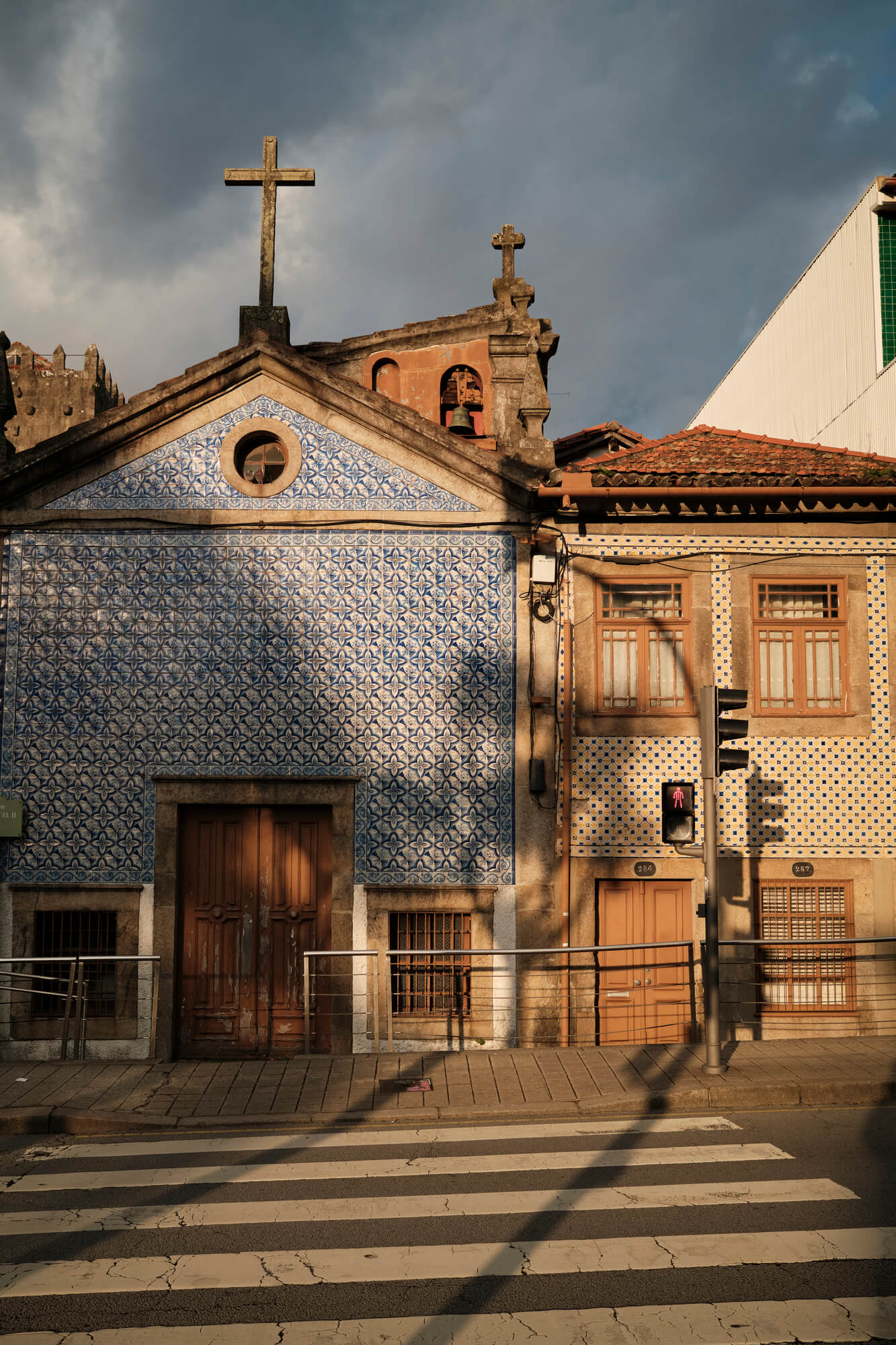
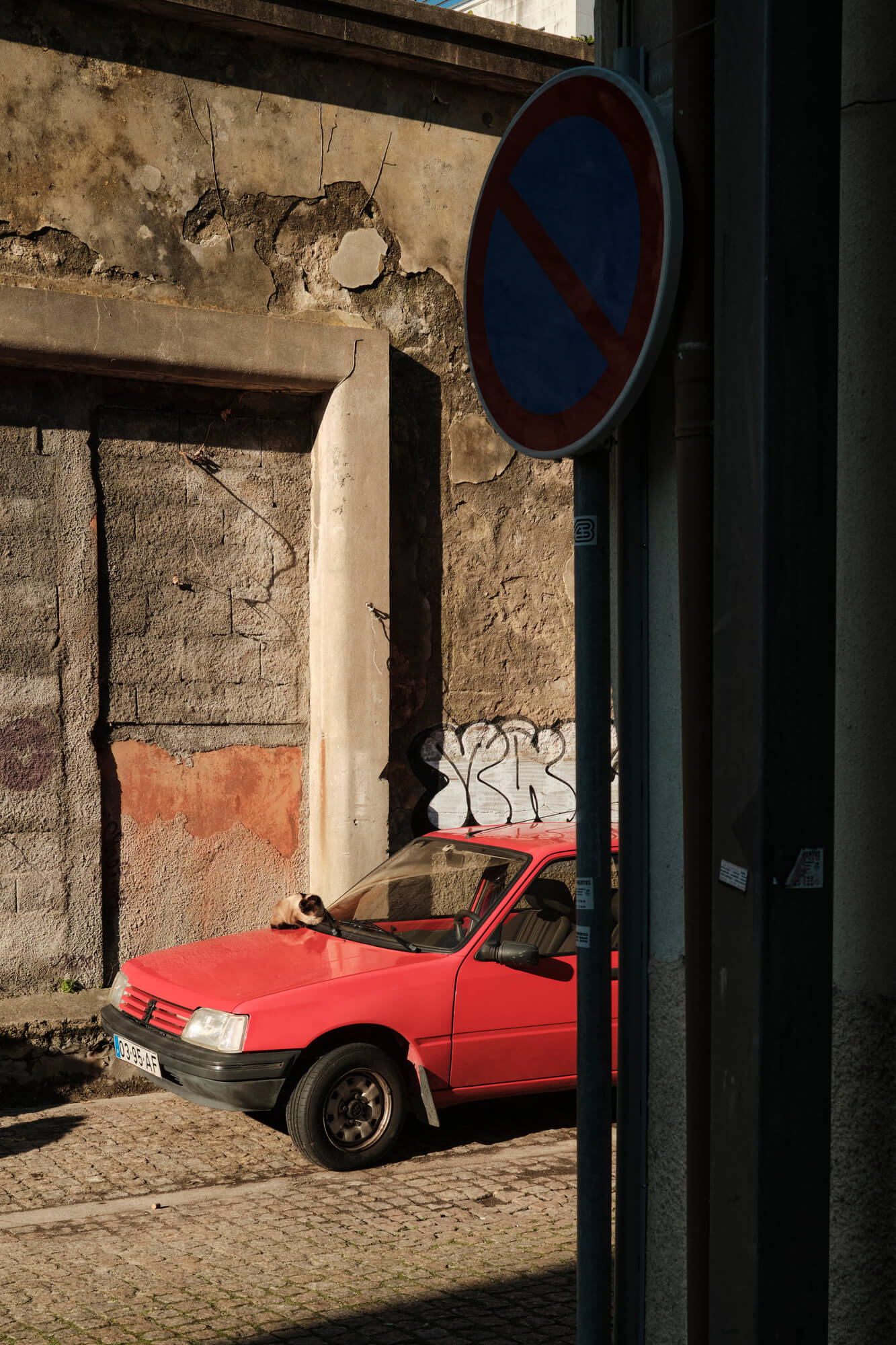
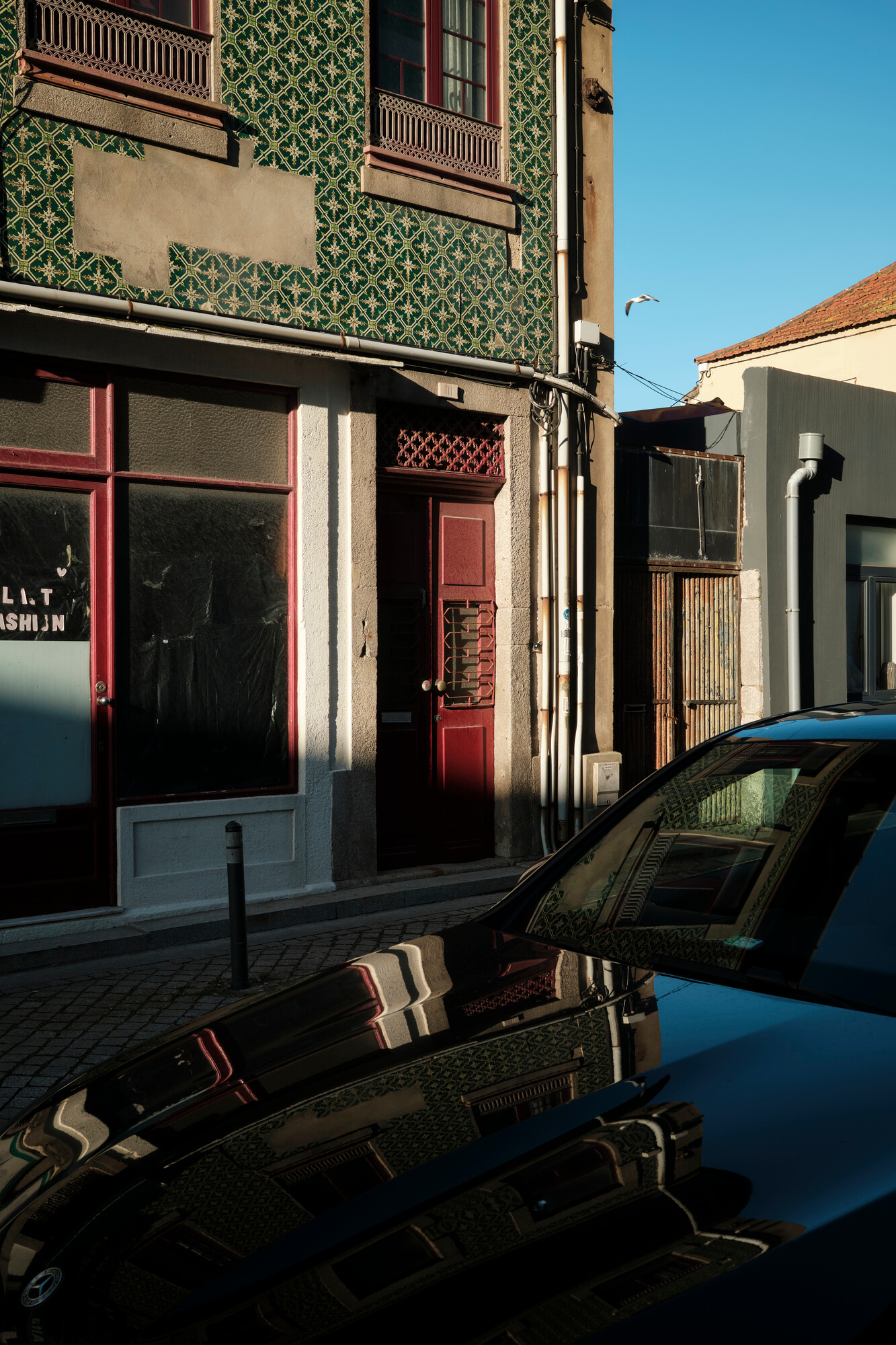
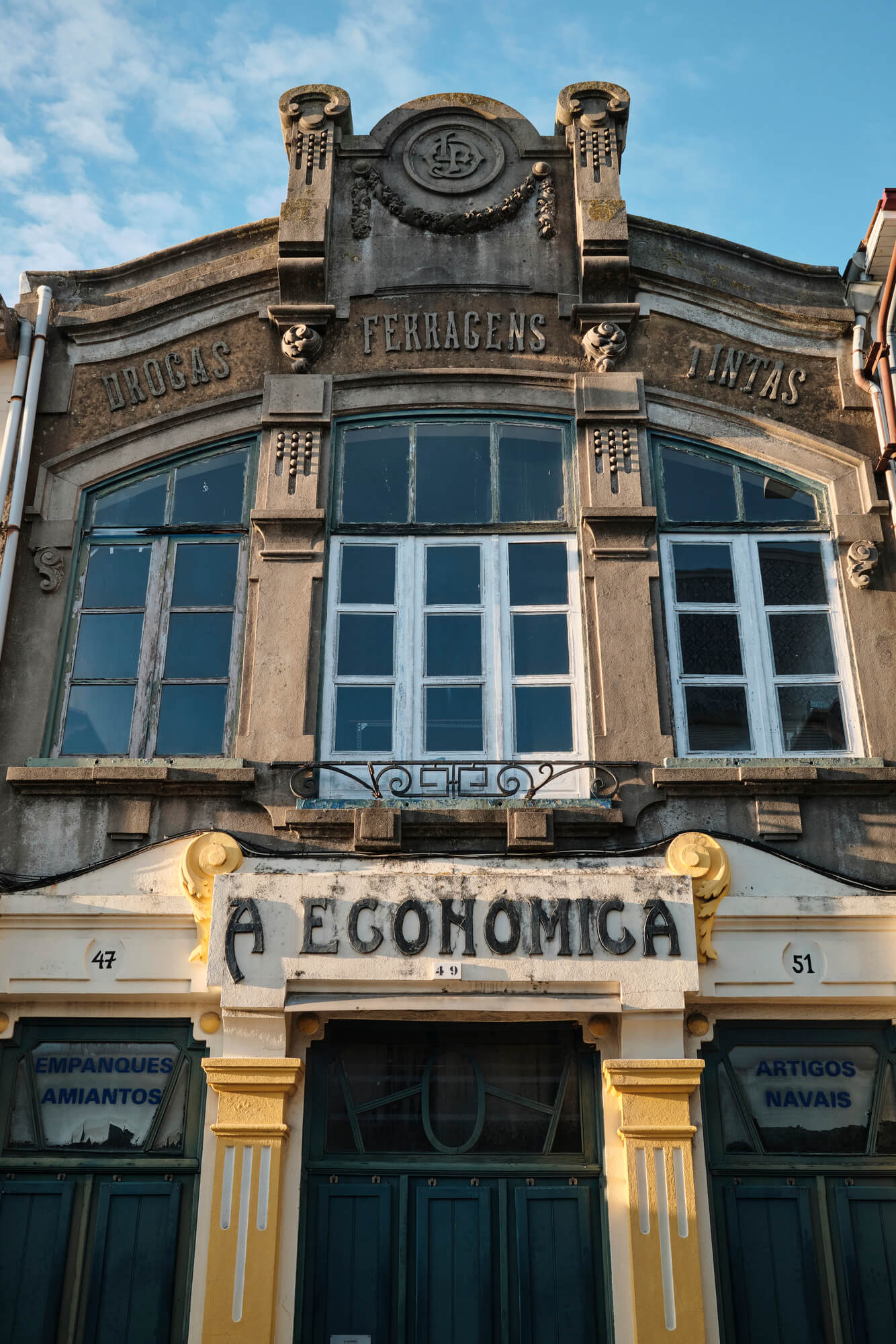
Beyond the postcard places, the city doesn’t bother pretending everything is fine — the streets get muddier, facades progressively peeling, buildings abandoned and left to ruin — up to the point where it stops feeling quite comfortable.
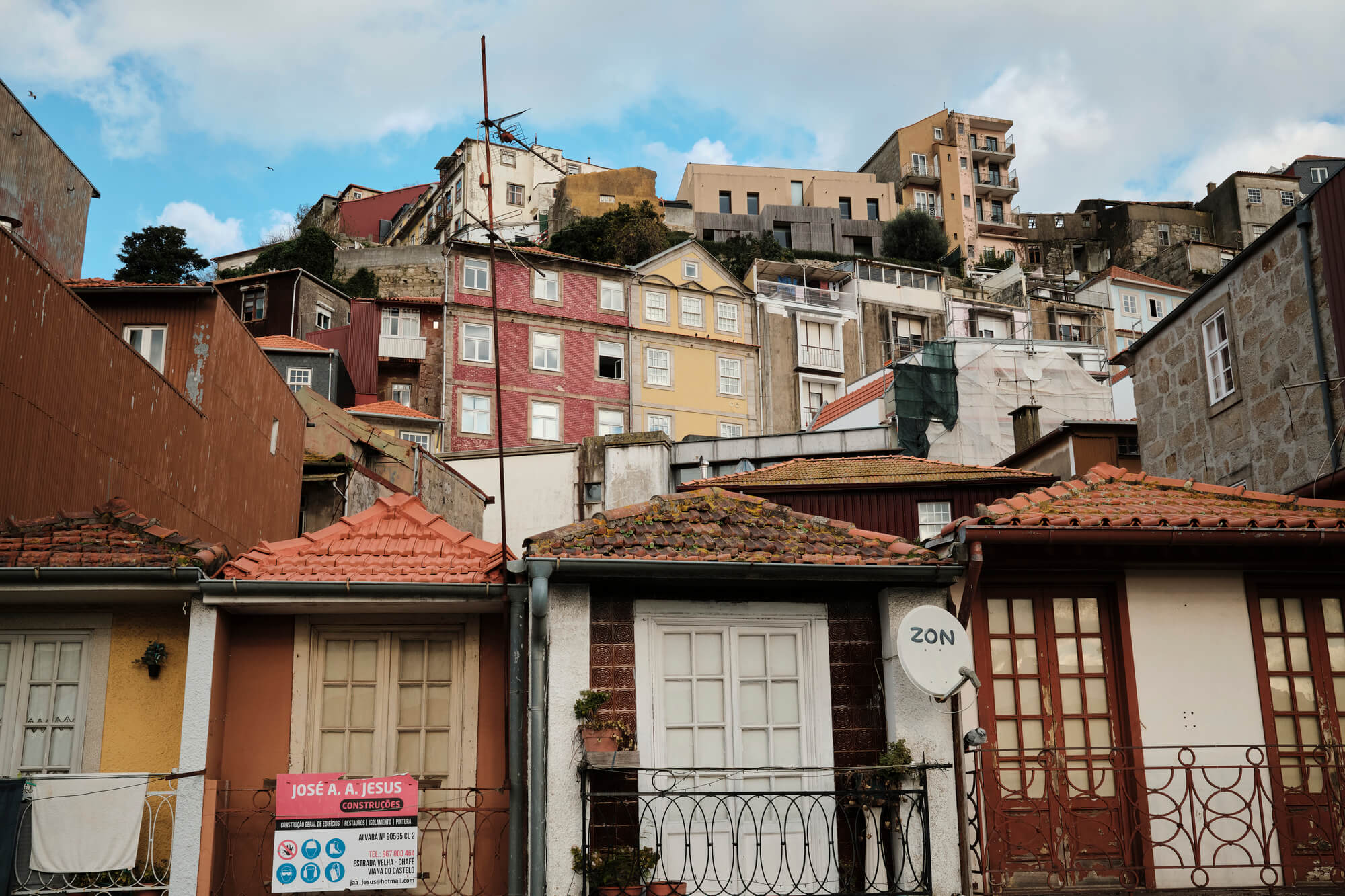
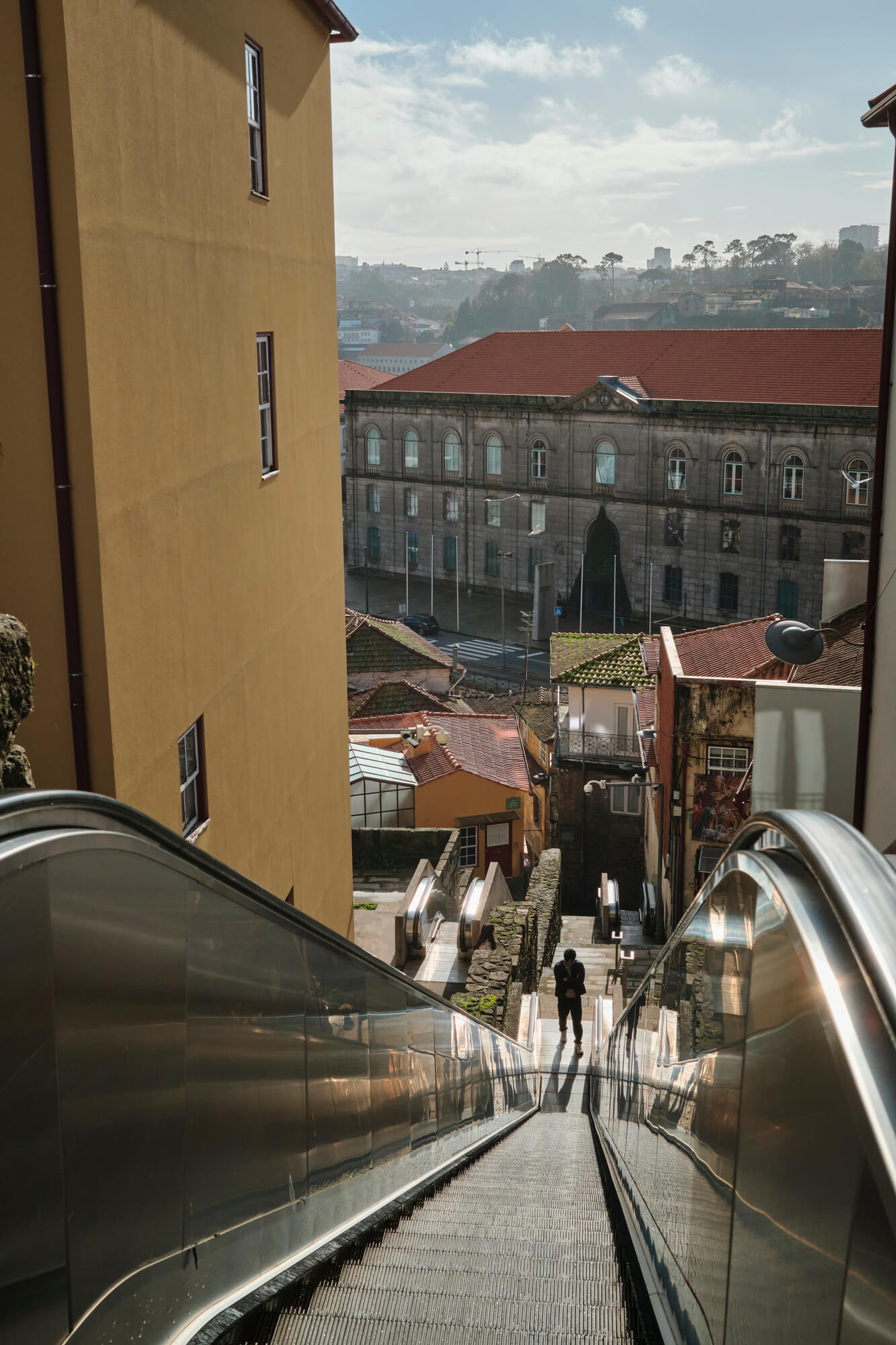
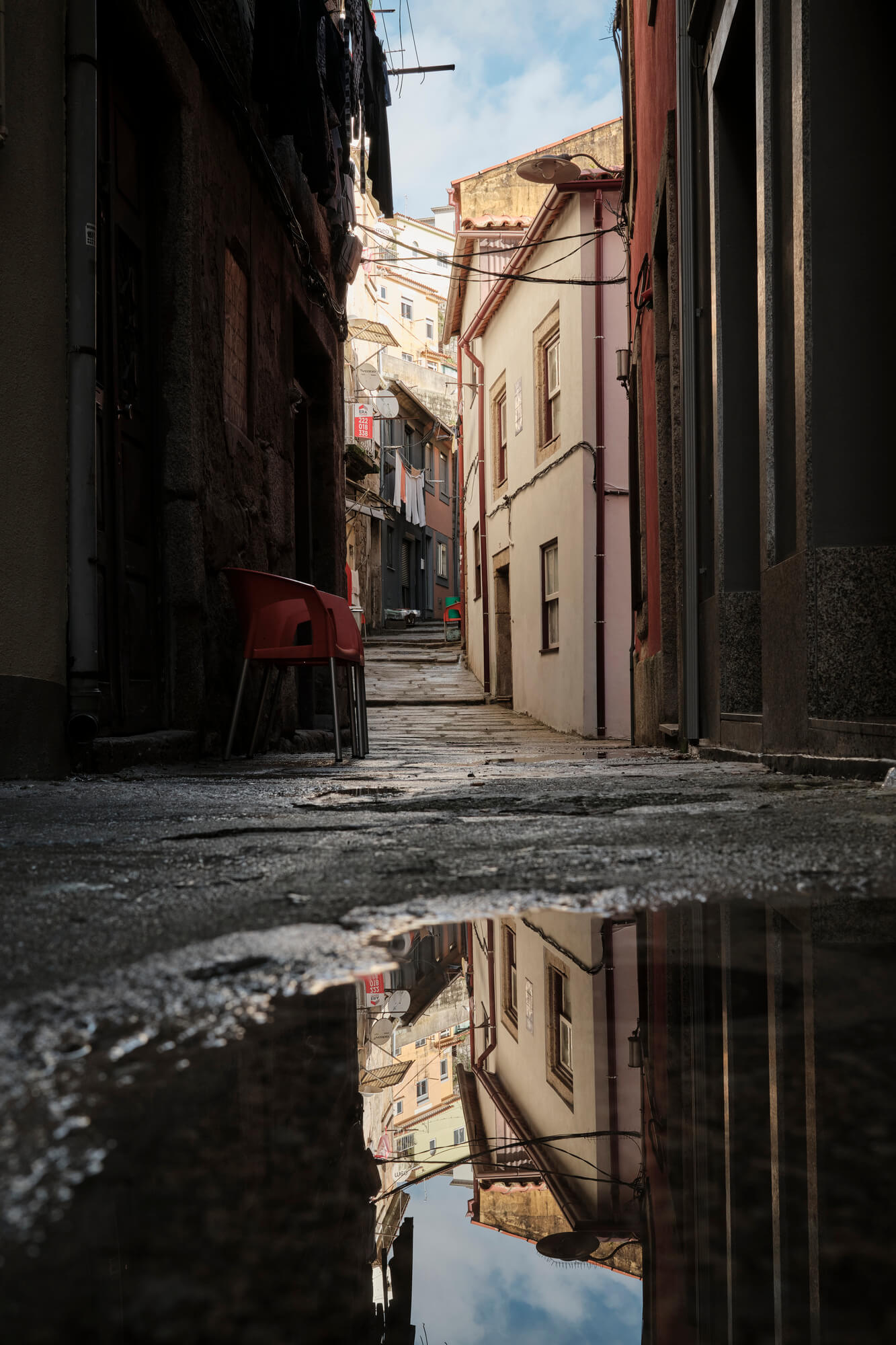
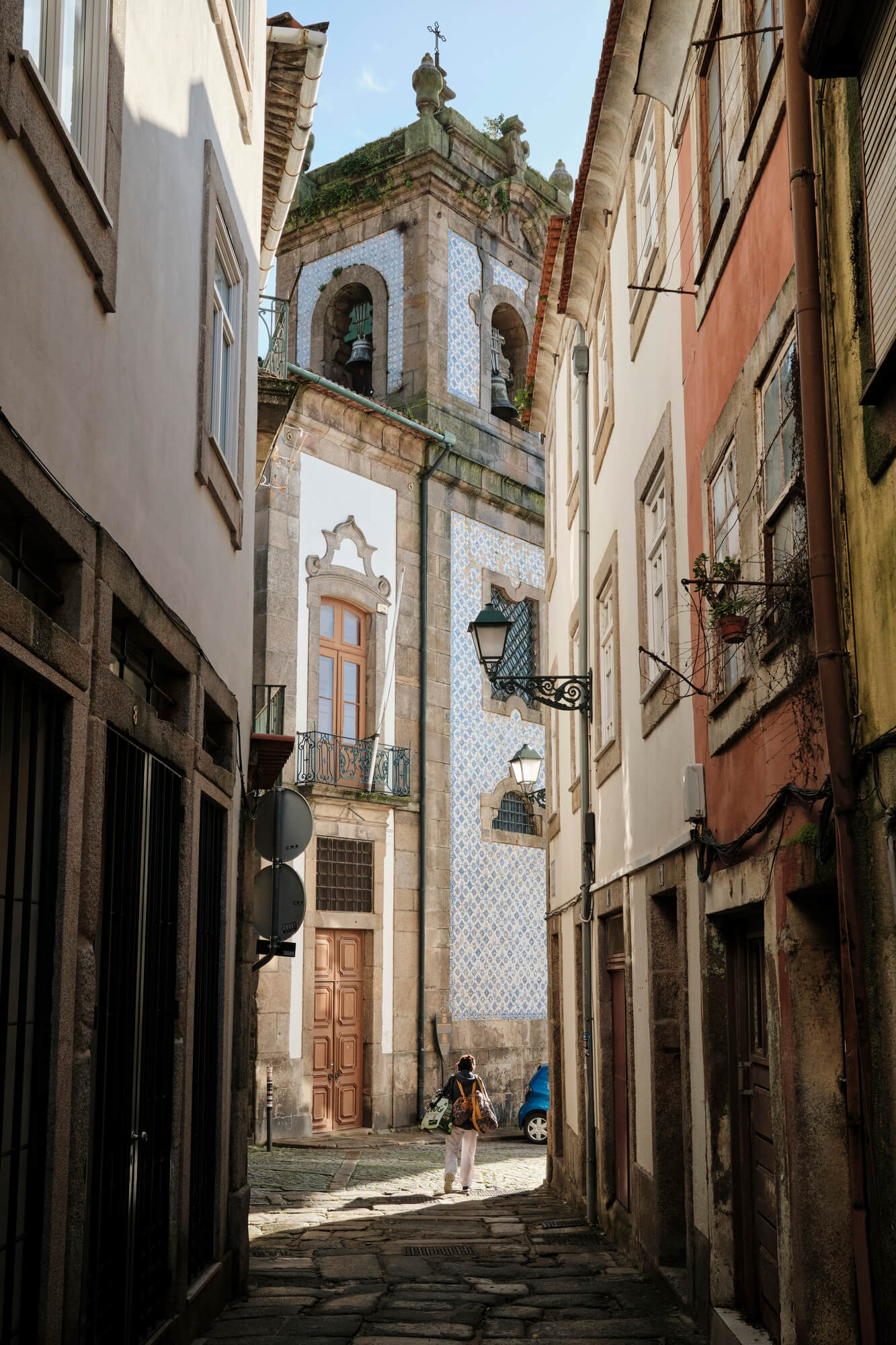
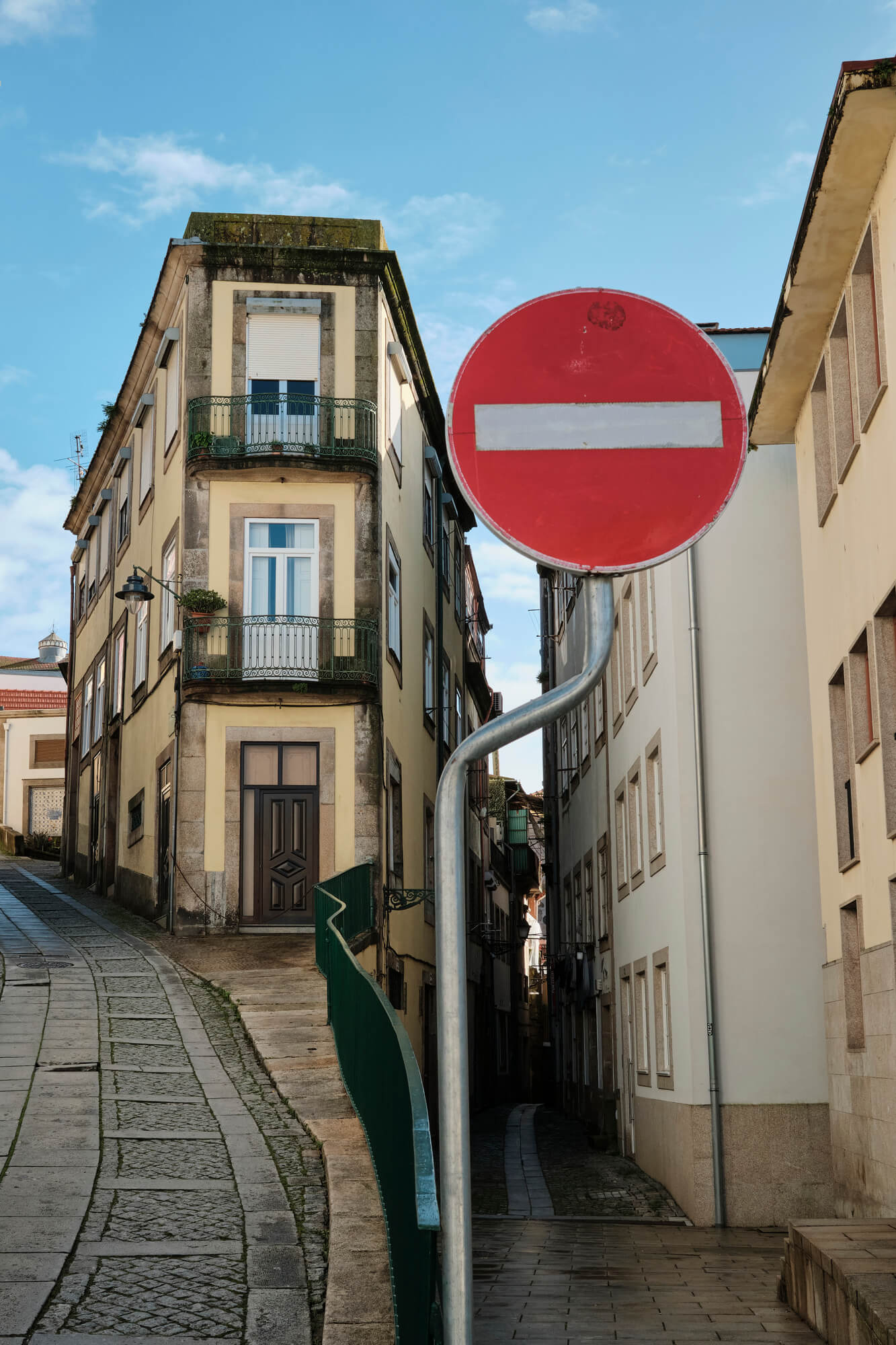
Porto is statistically safe, but a lone walk at night doesn’t always feel carefree. Idly wandering the center, you meet as many drug pushers as talent-free street musicians — neither particularly threatening, but it all adds a certain texture.
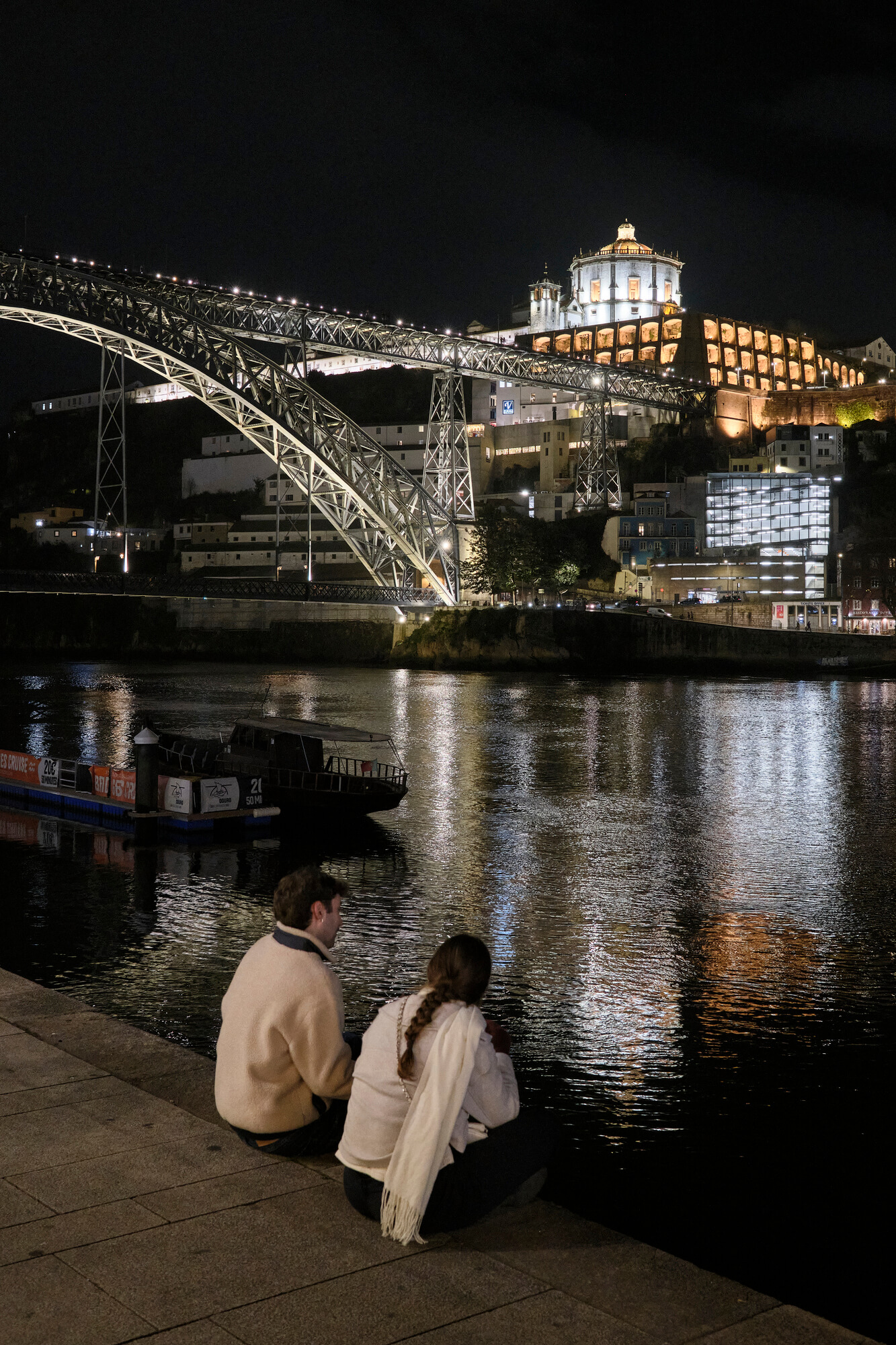
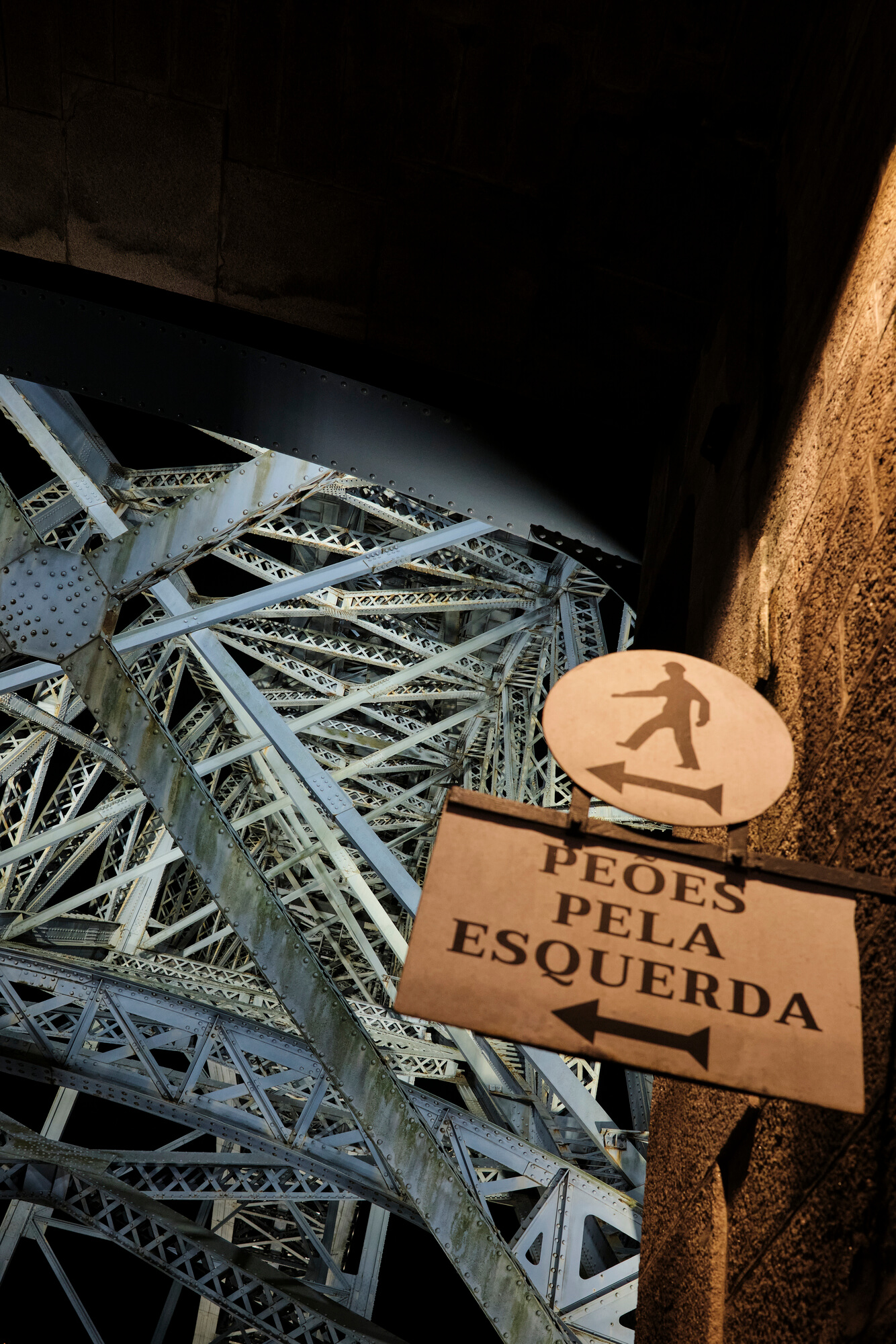
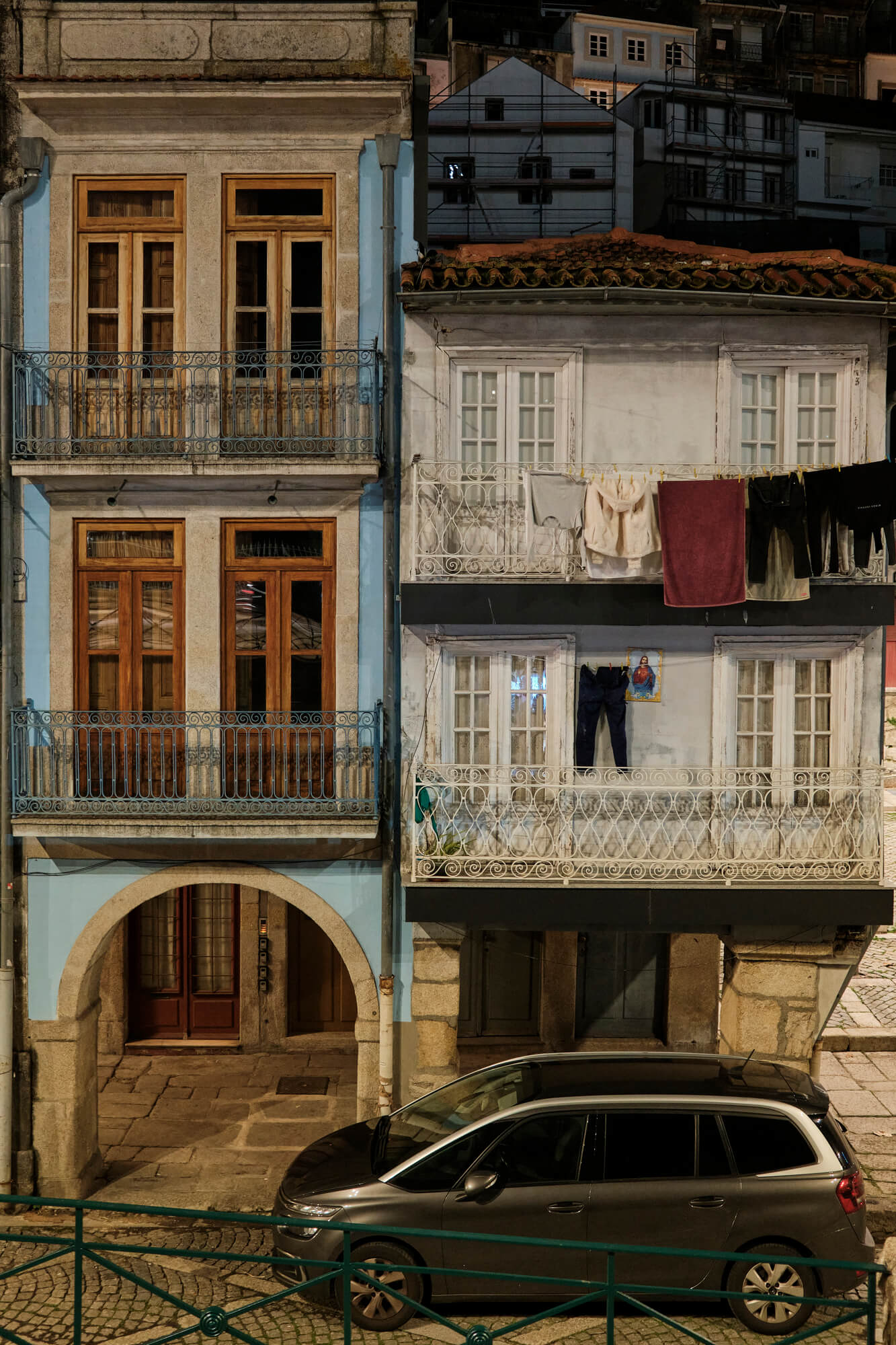
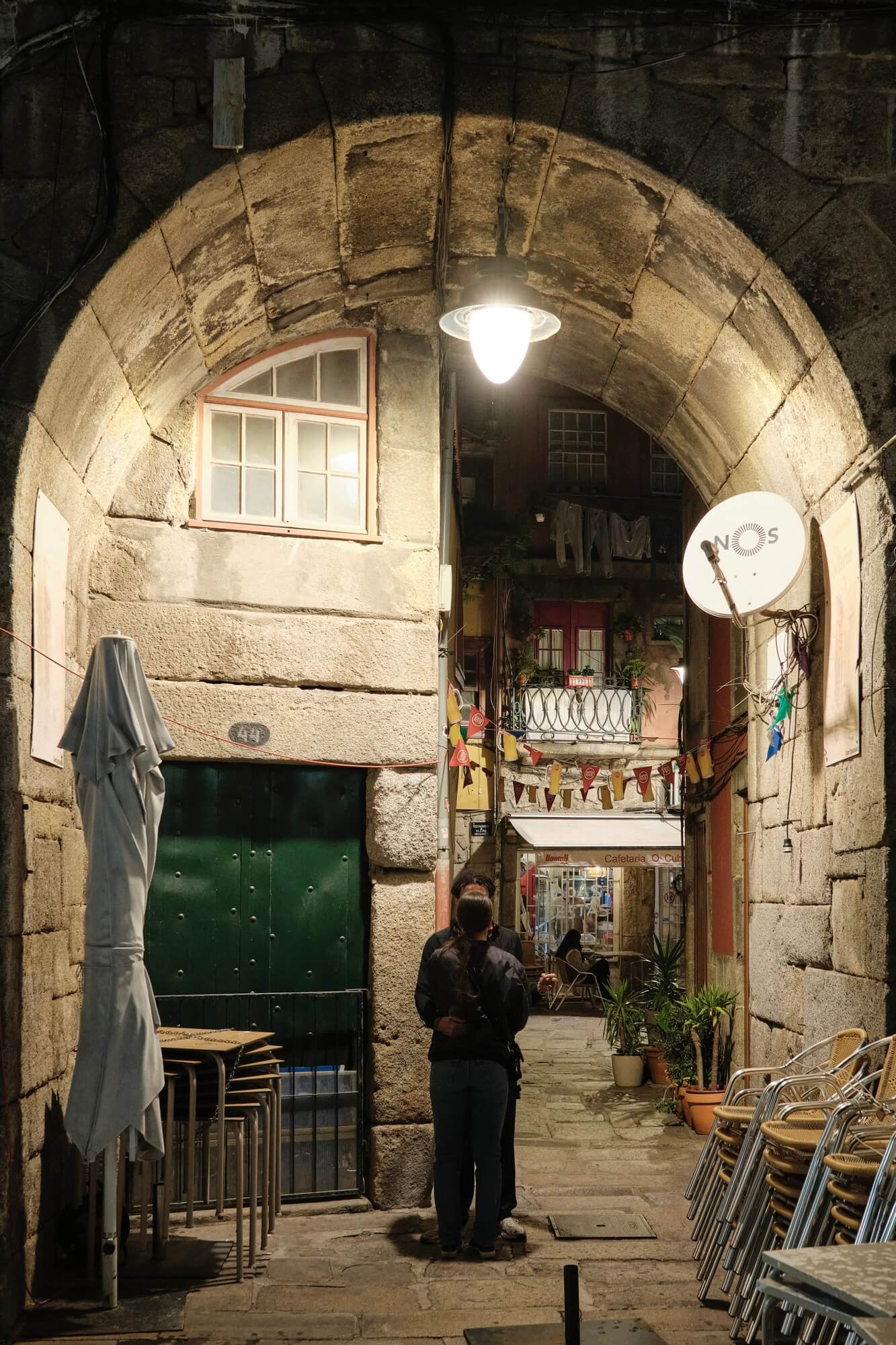
Unlike street musicians, local street artists certainly do not lack talent. The city is full of vibrant artworks, often referencing the traditional azulejo technique. Most are found in public spaces, with some hidden away in local art museums.
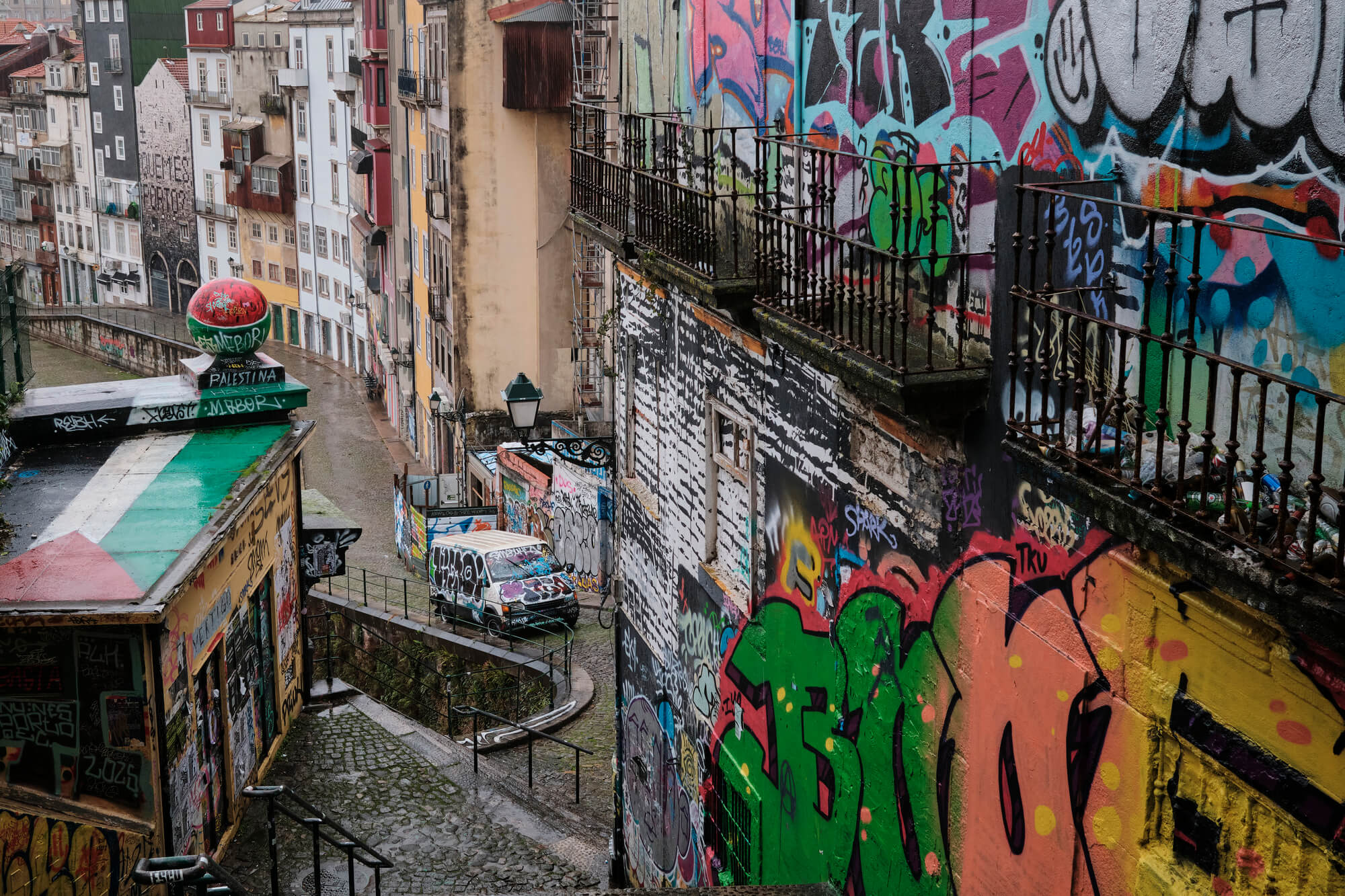
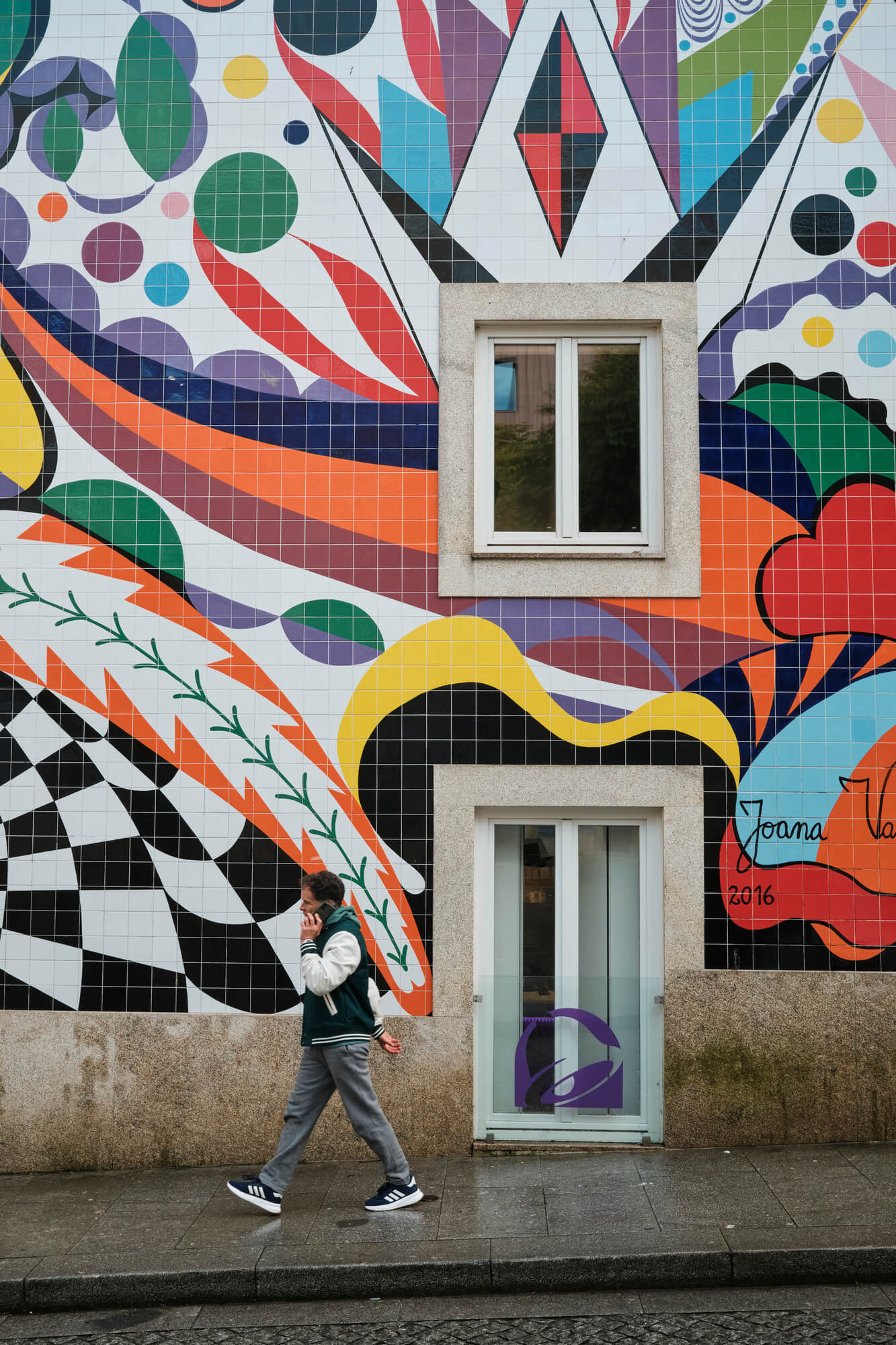
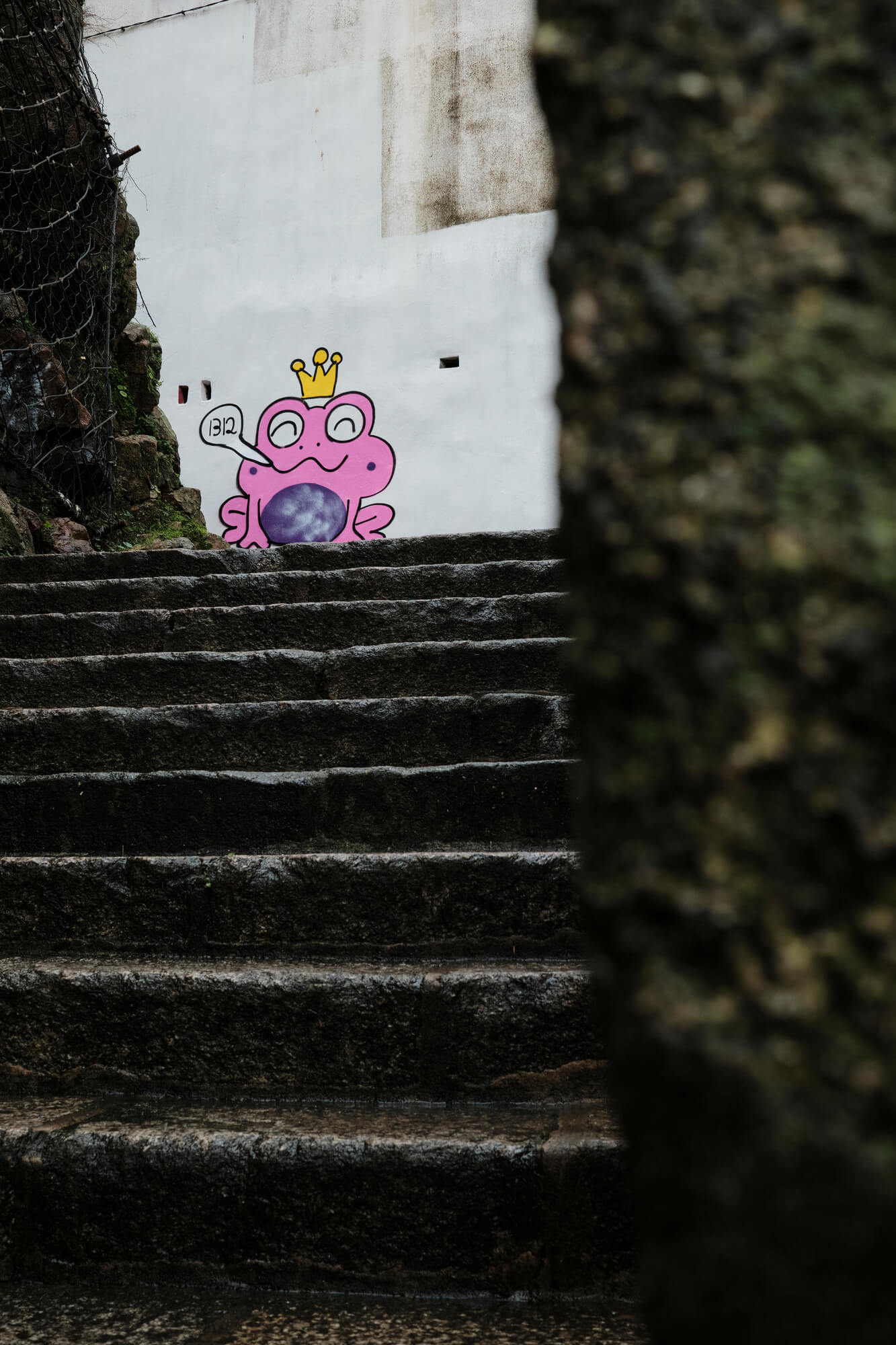
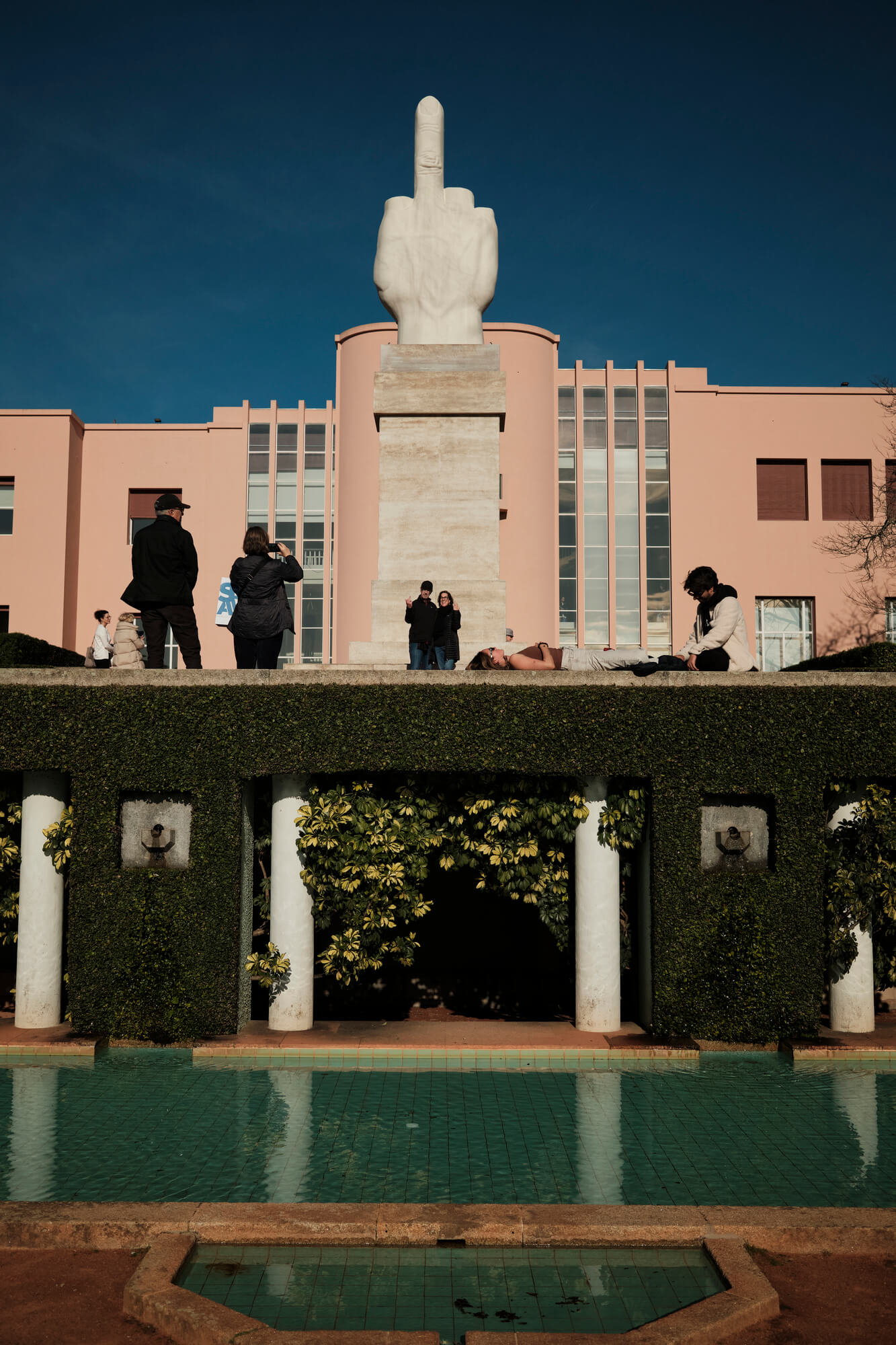
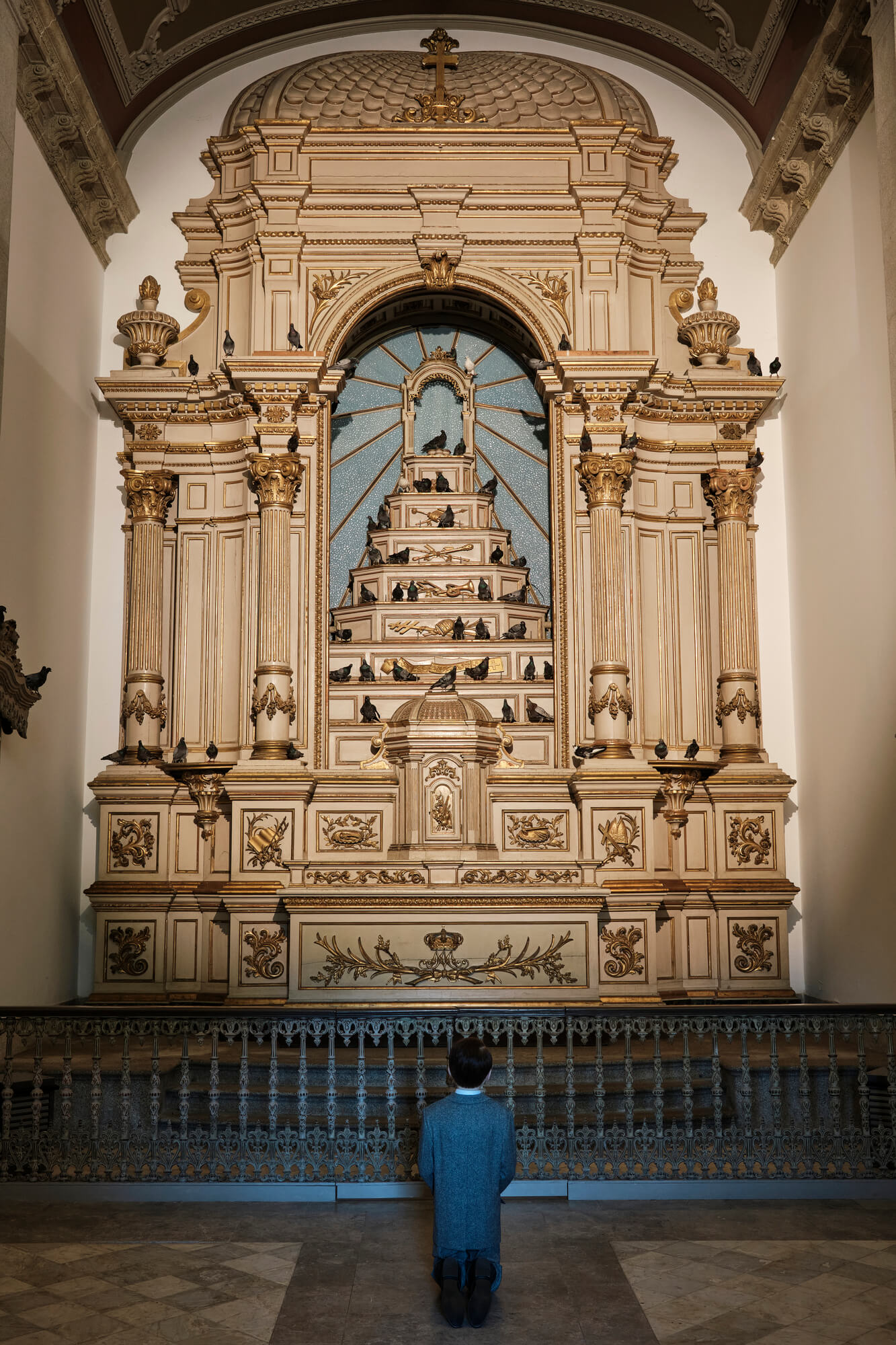
Porto is quite walkable if you don’t mind the terrain. Here are some places worth a longer stroll: Palácio de Cristal gardens, Bolhão market, Gaia embankment, Cidade do Porto park, Serralves park and art museum, Vitória viewpoint.
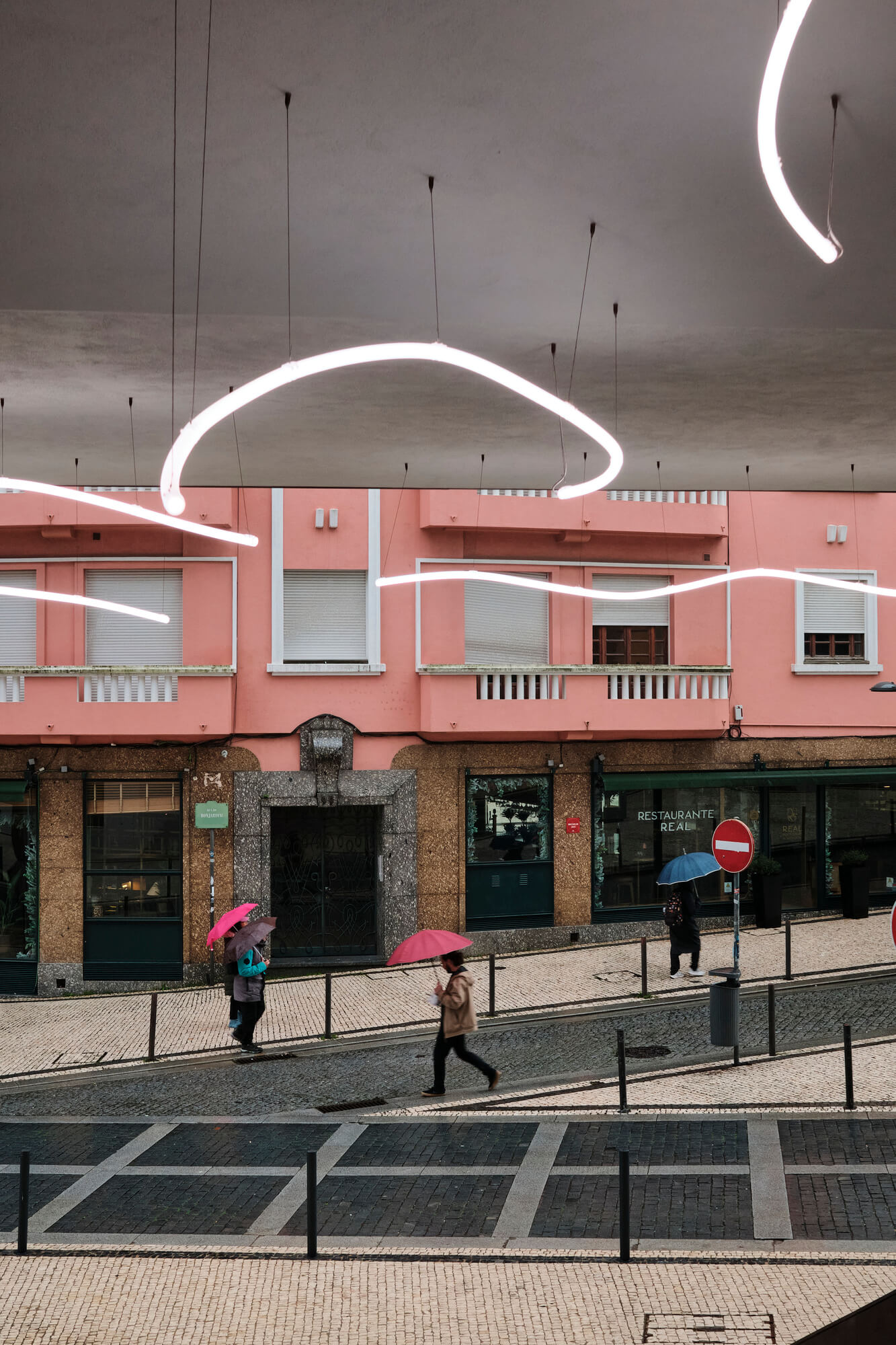
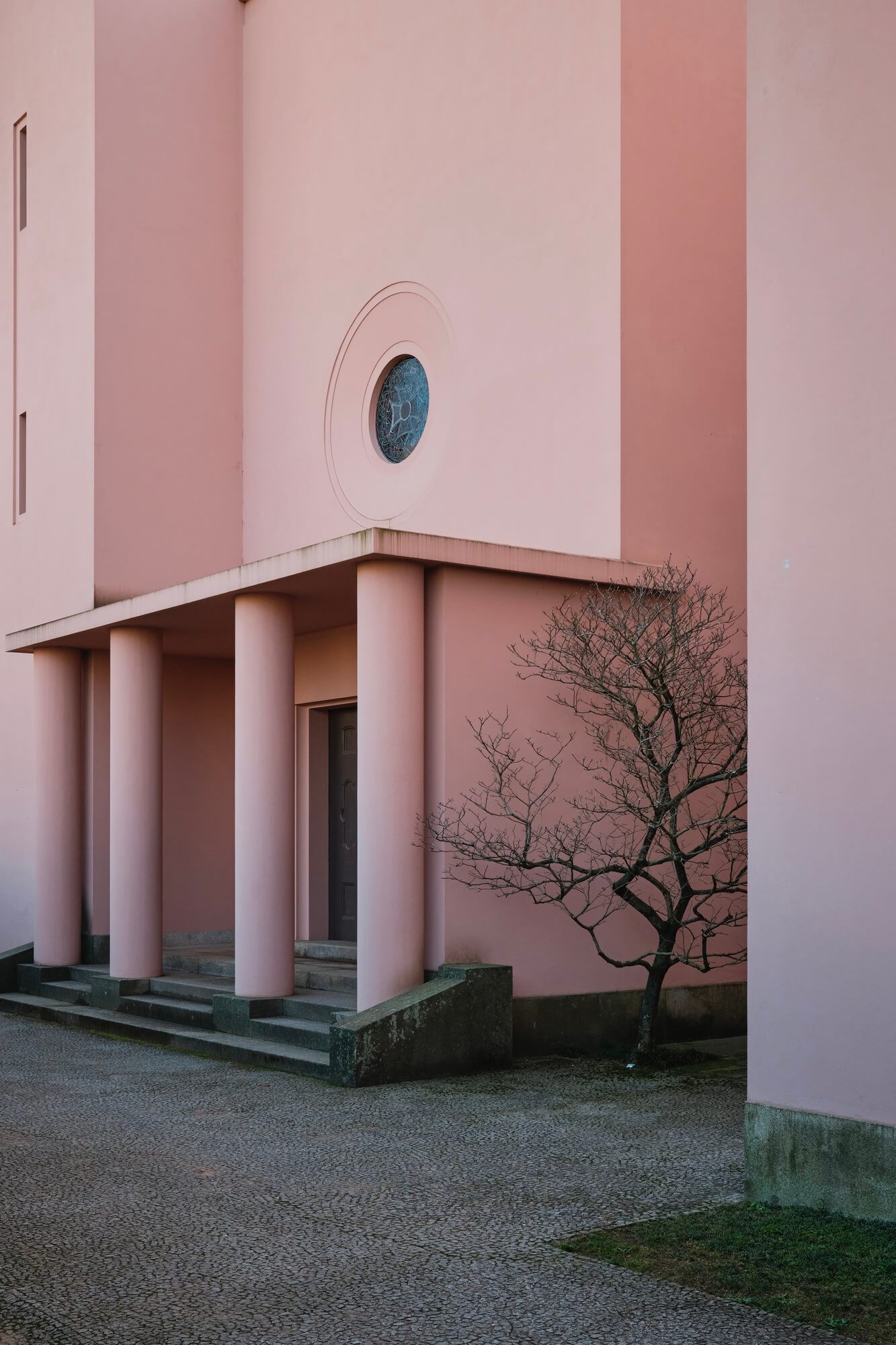
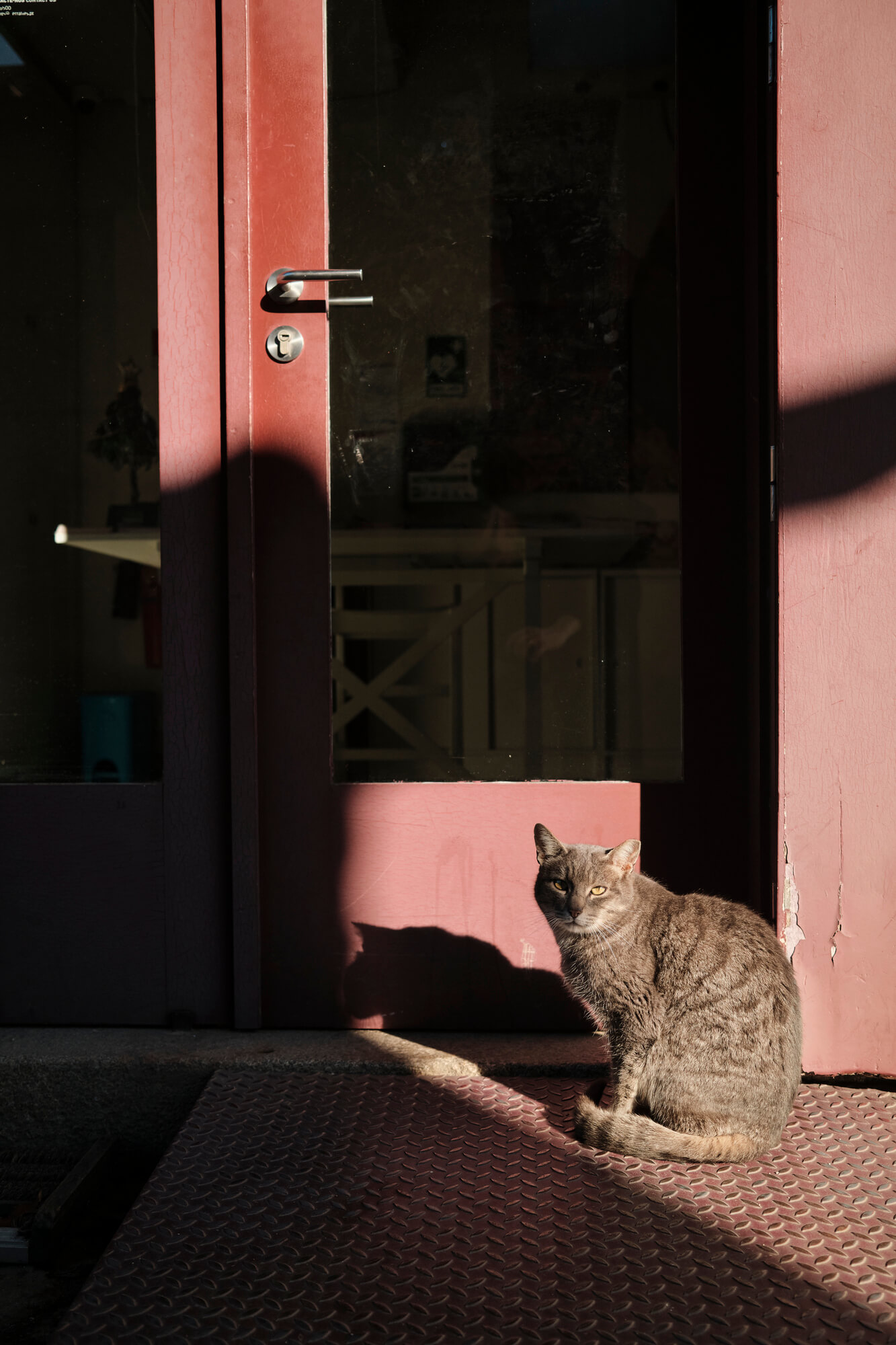
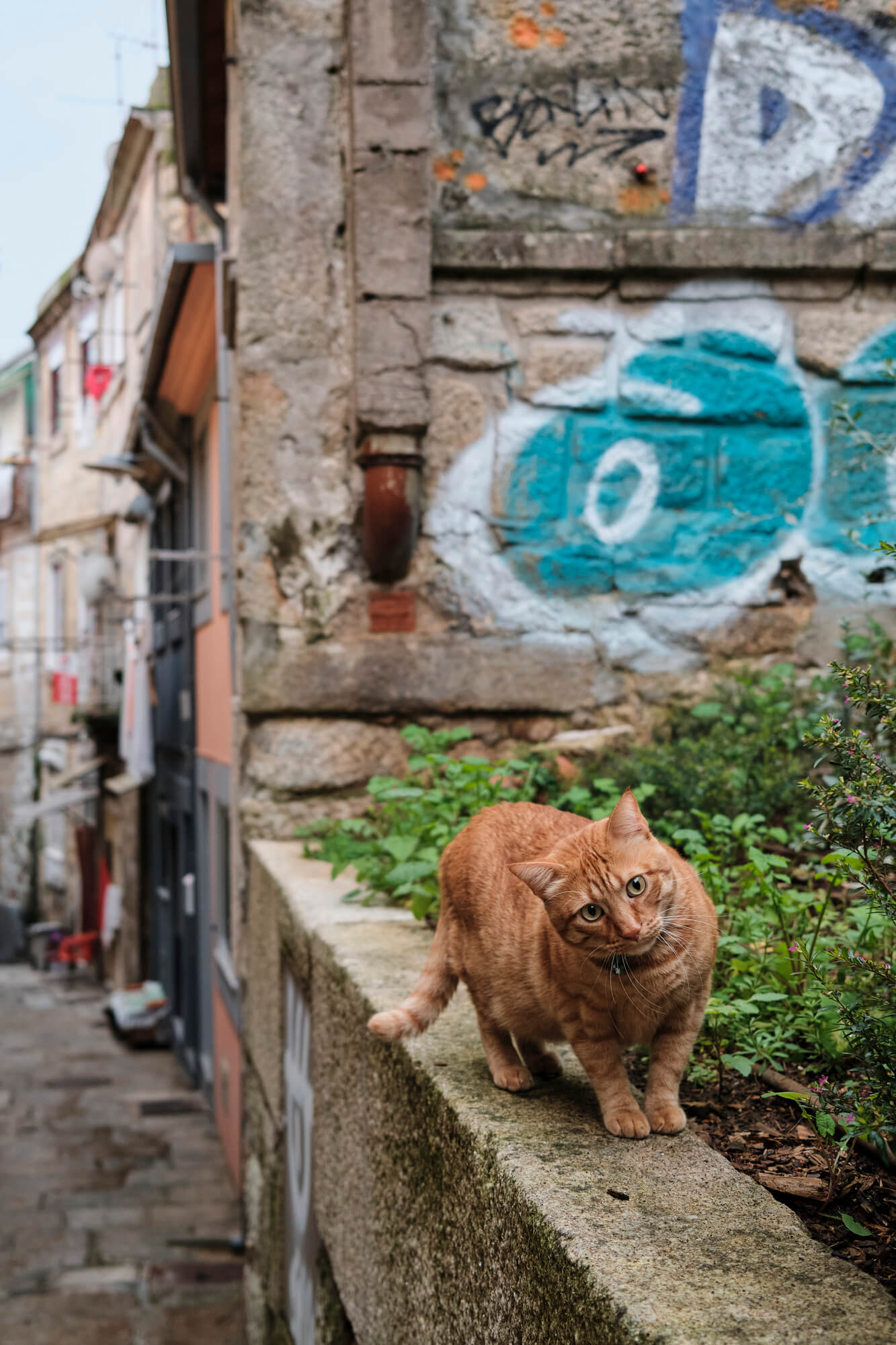
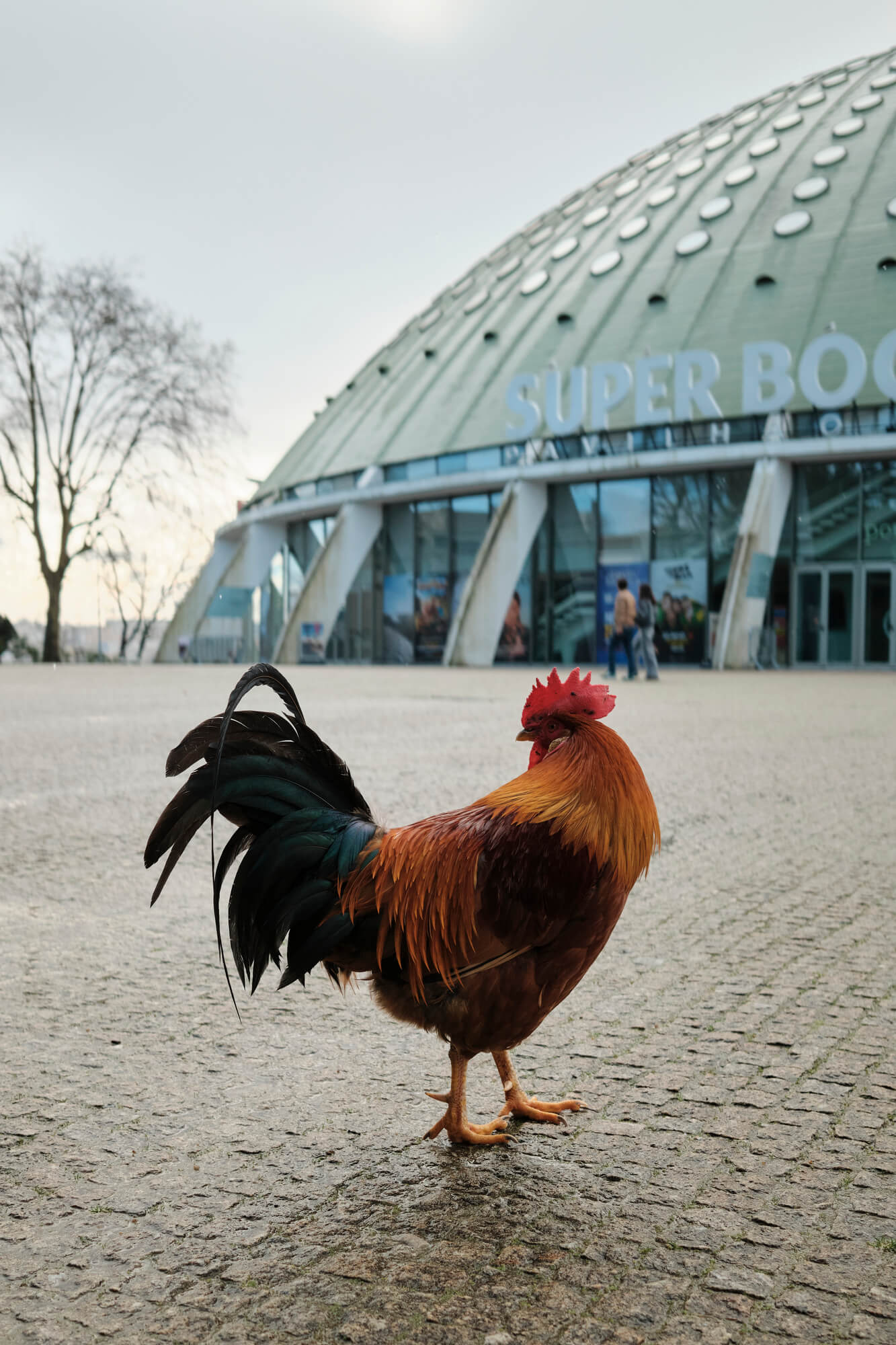
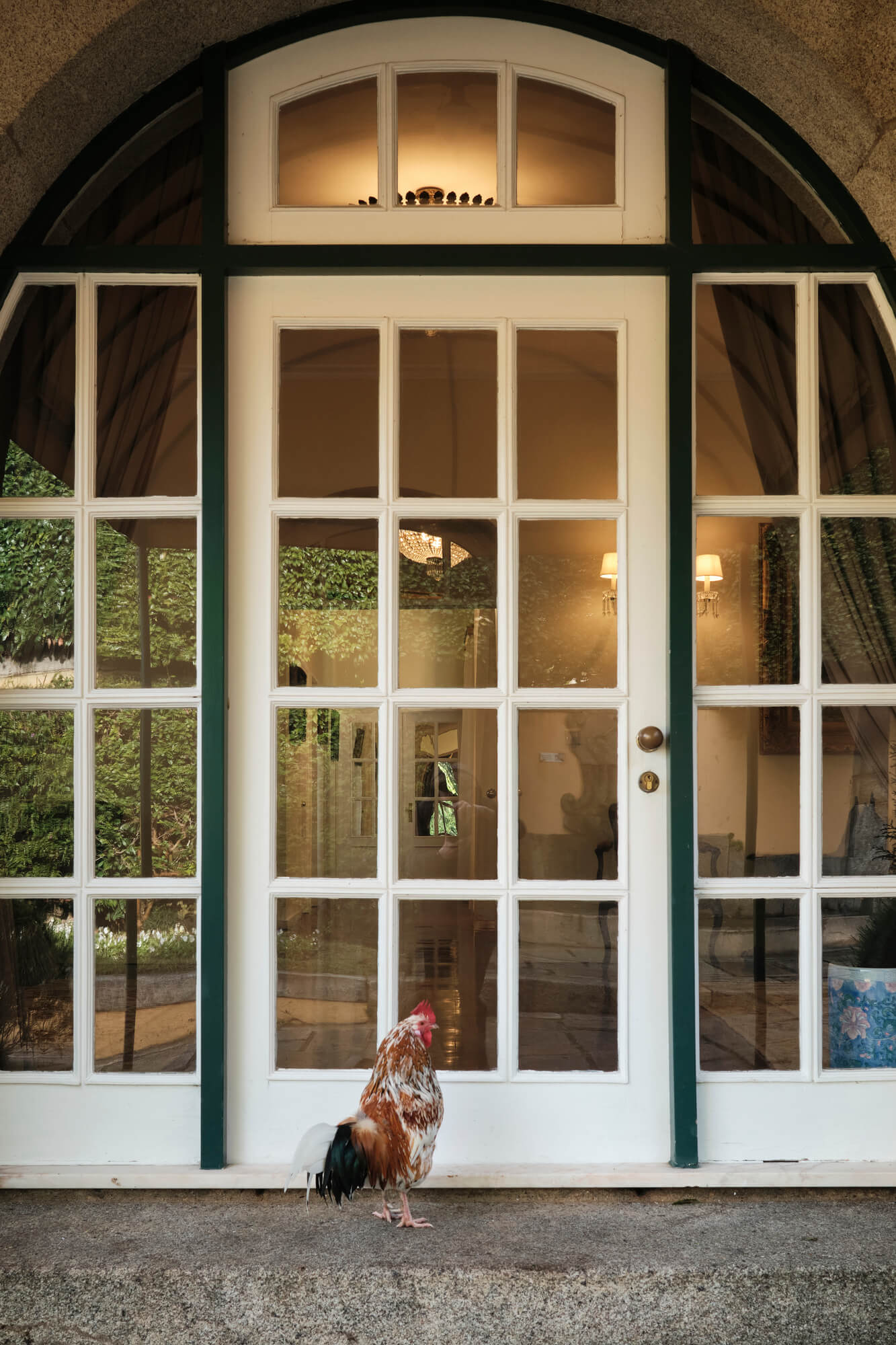
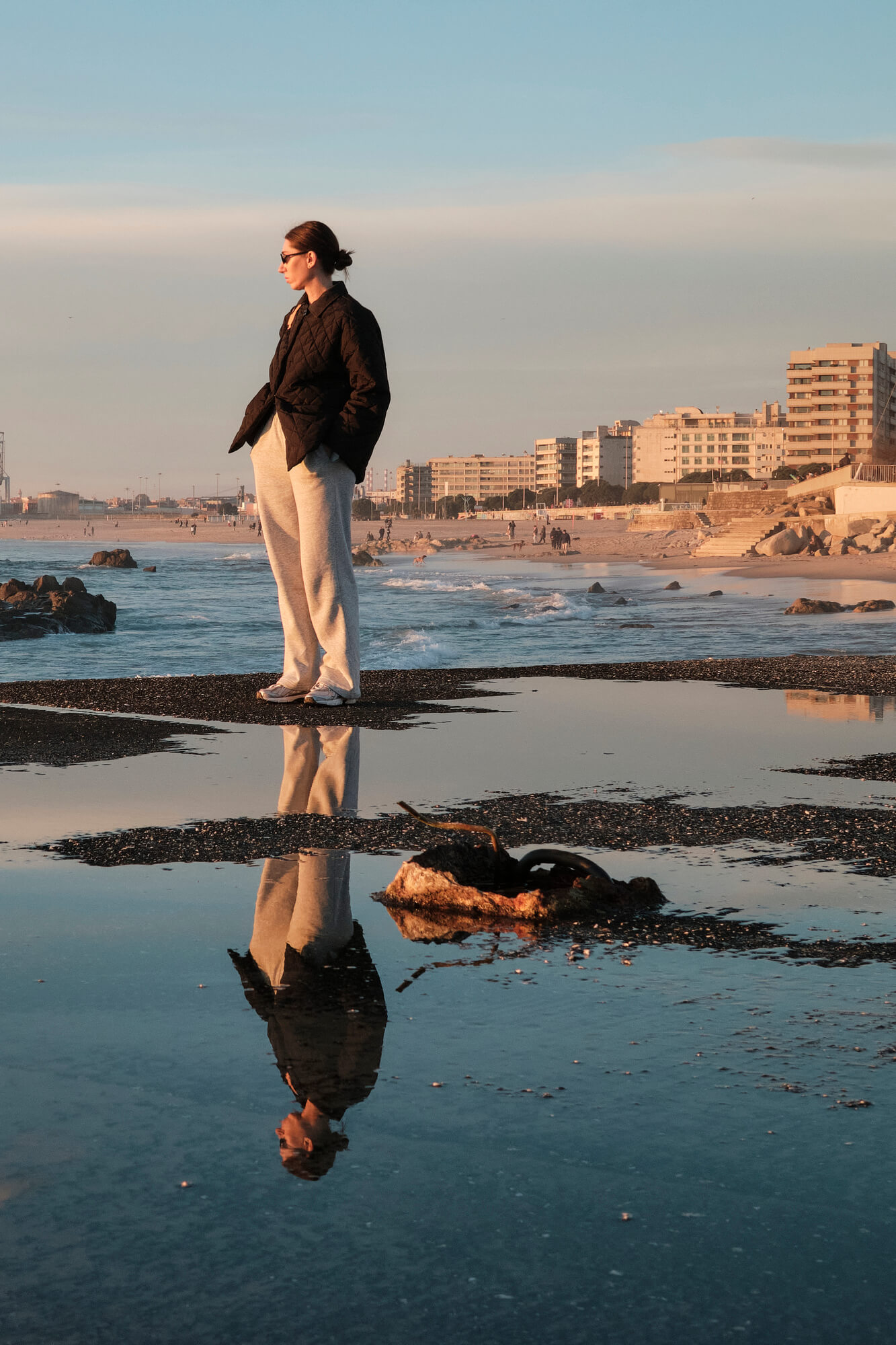
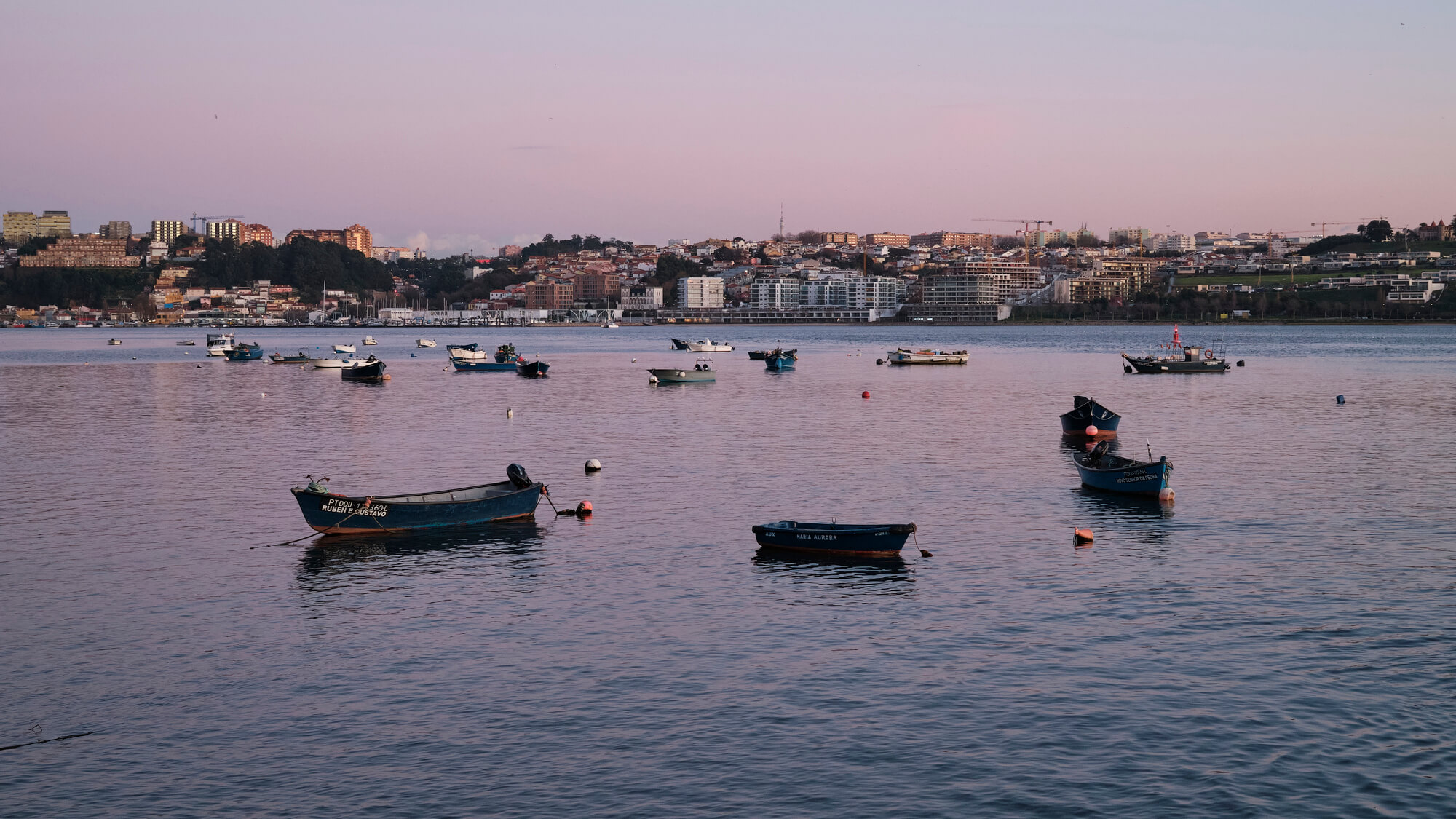
The best destination by far is the oceanside, about 6 km from the center — which makes for a nice walk along the river, with tall bridges and picturesque hillsides.
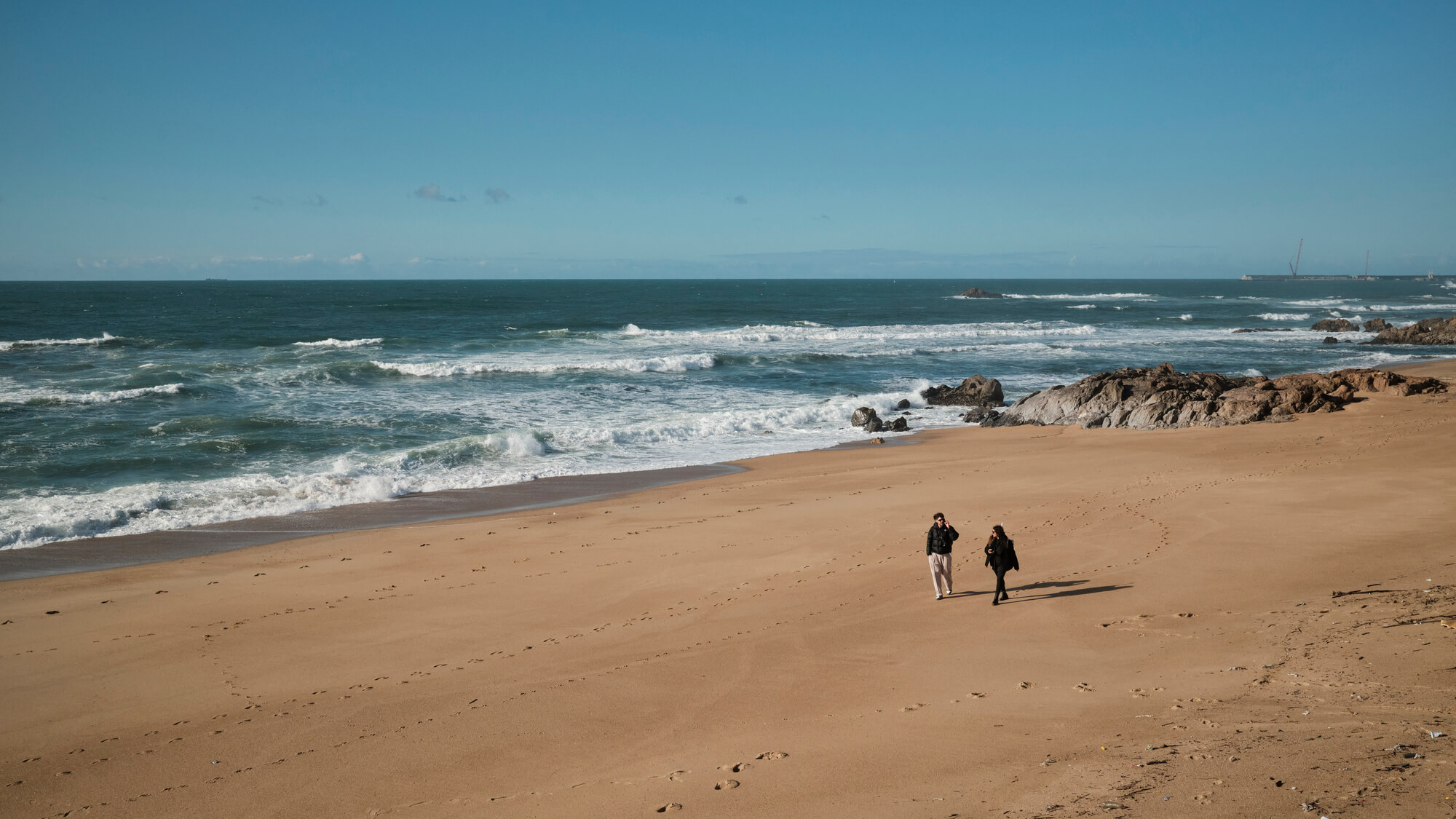
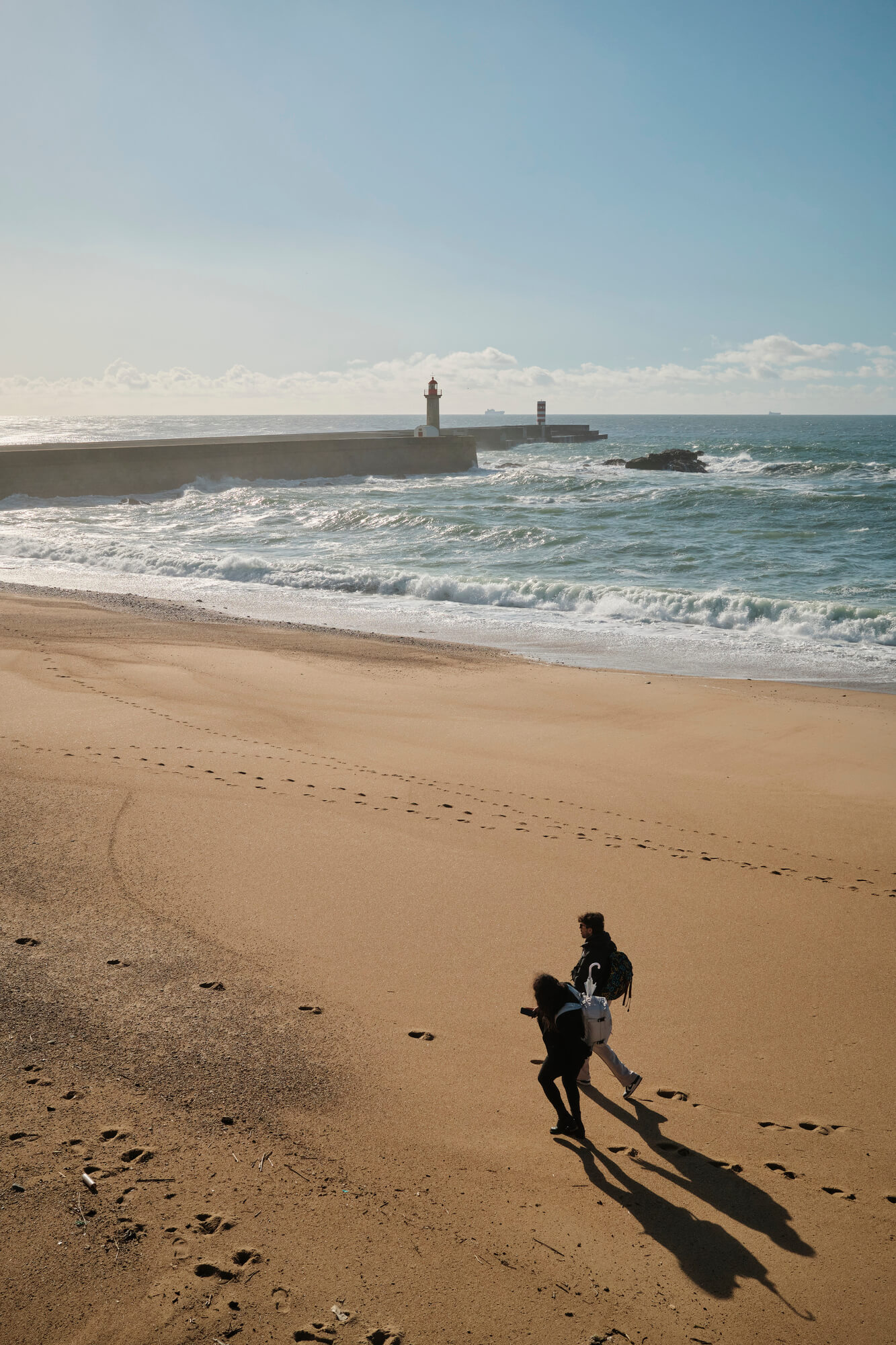
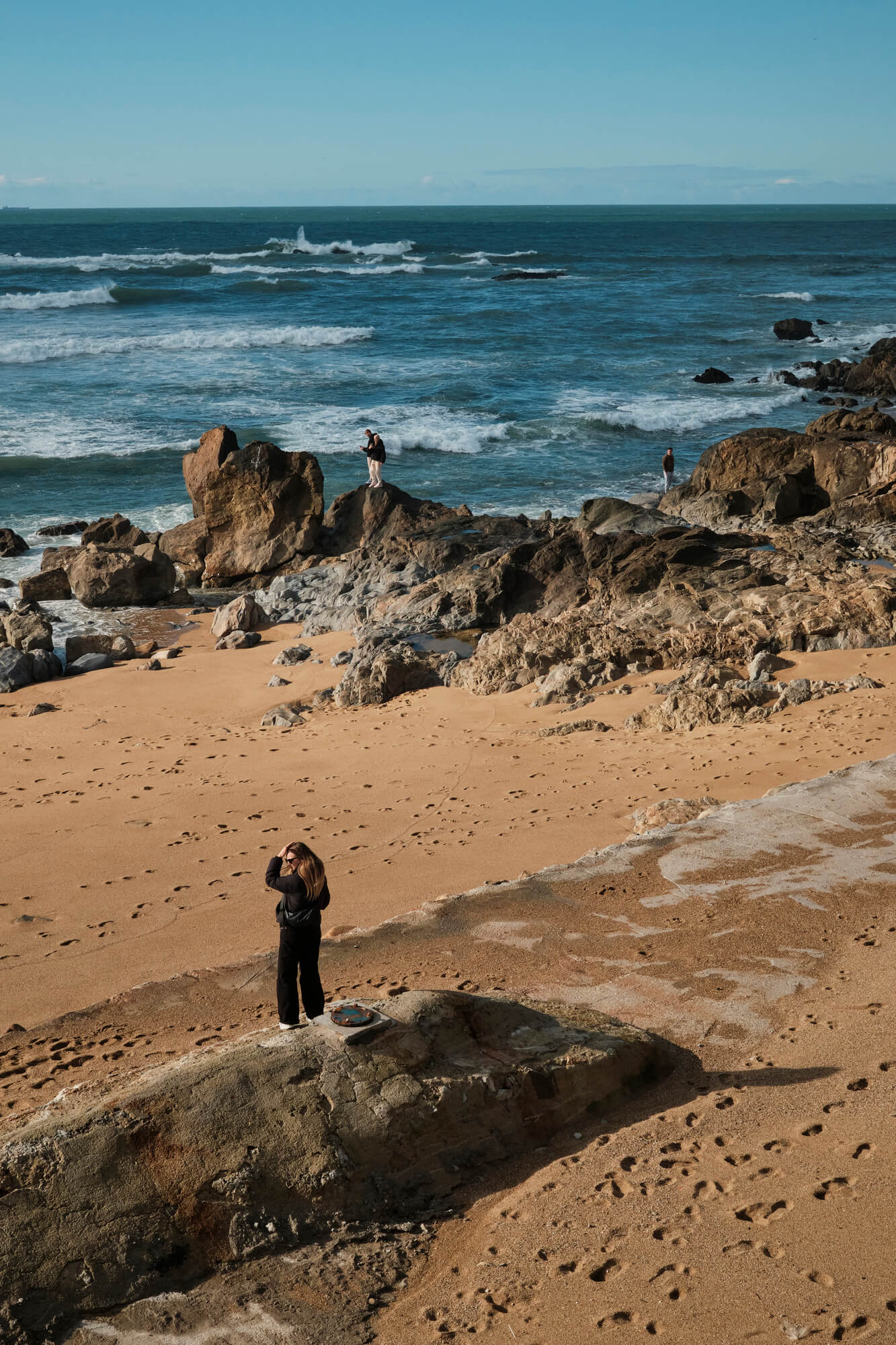
If you’re done walking, you can reach the ocean via Porto’s iconic historical tram, or a regular double-decker to Foz — if you like it cheaper, faster, less romantic.
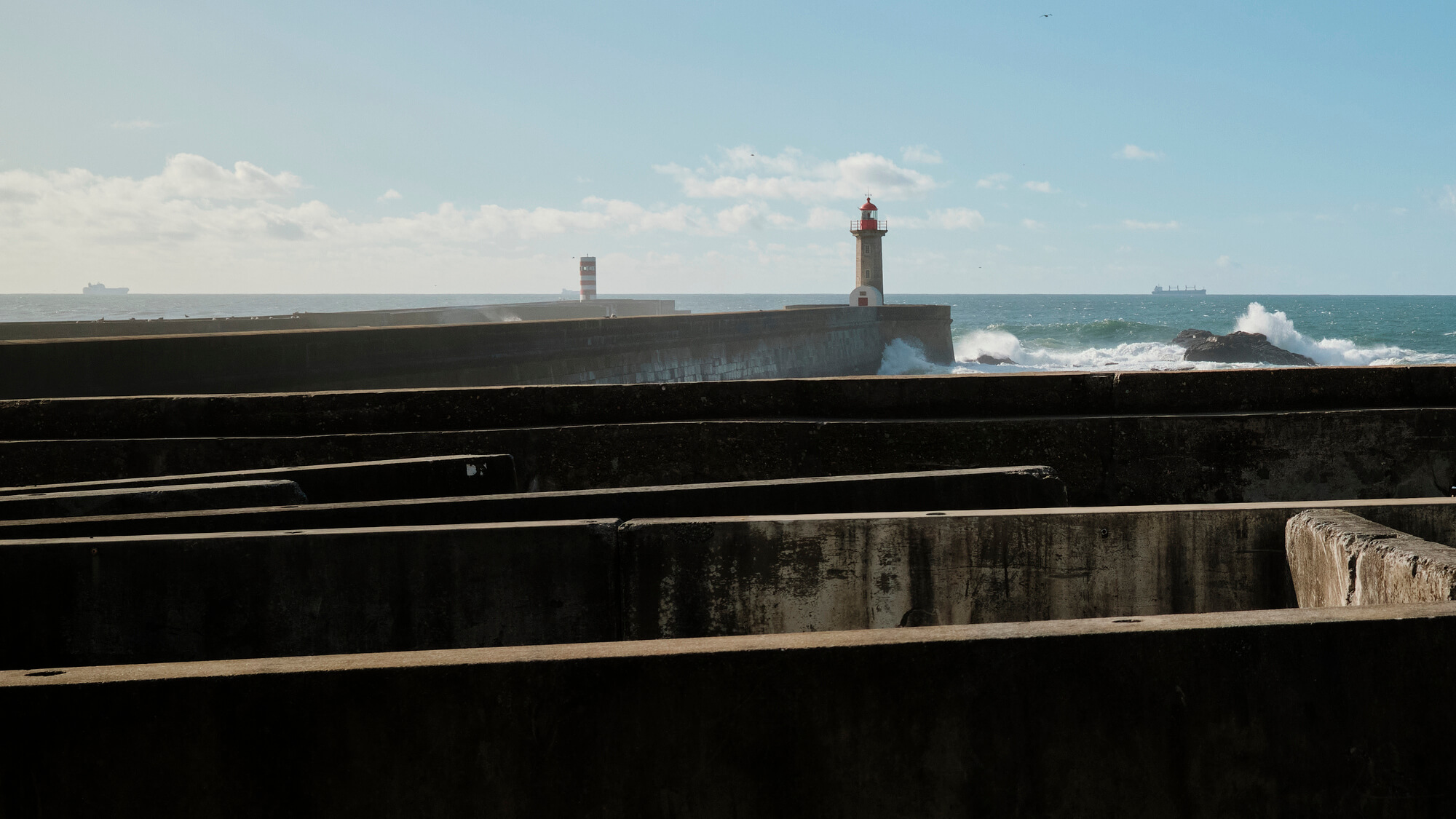
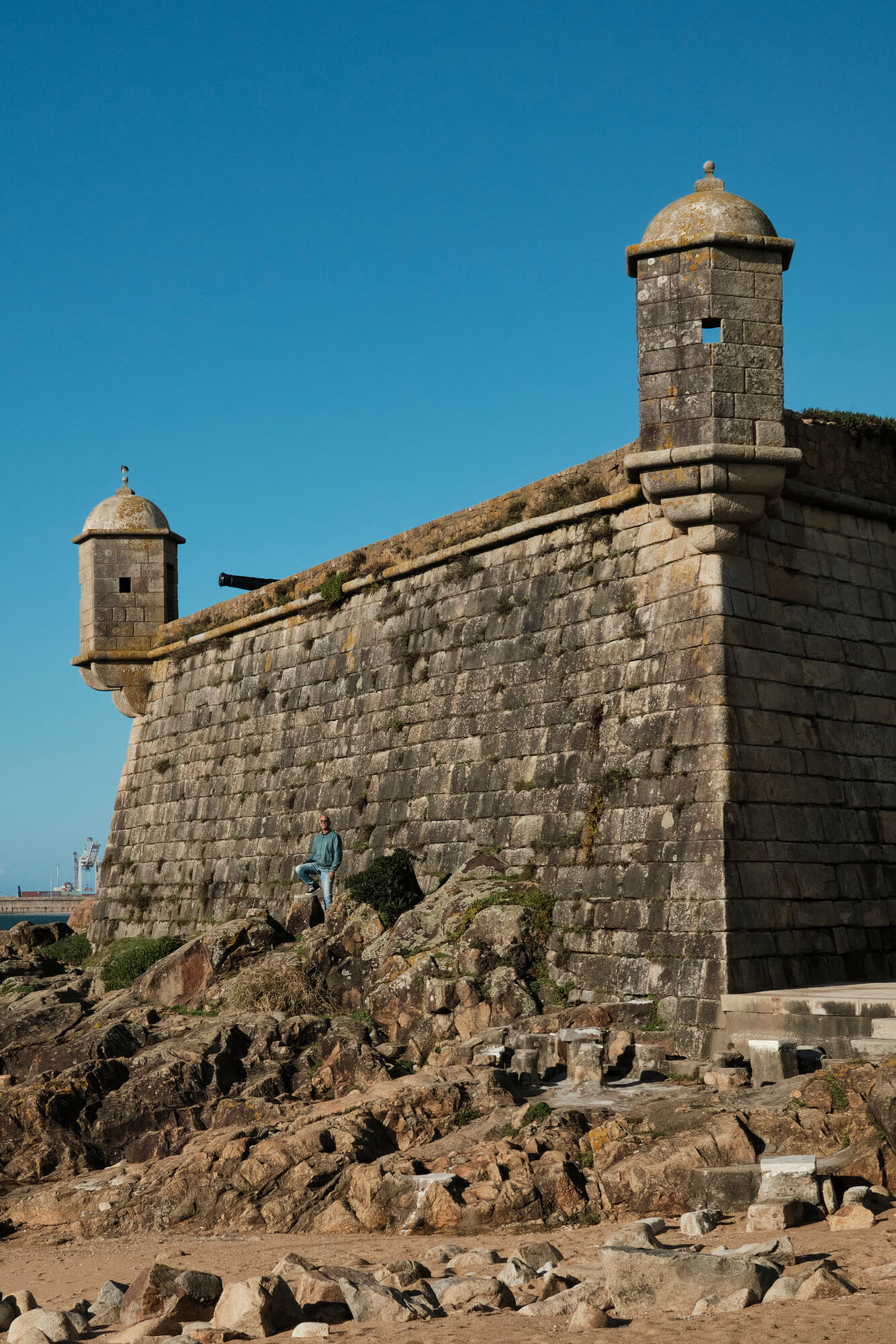
A light rail train to Matosinhos is another option. Porto’s public transport may not be the best (and the official app is a real drag), but it connects the city pretty well.
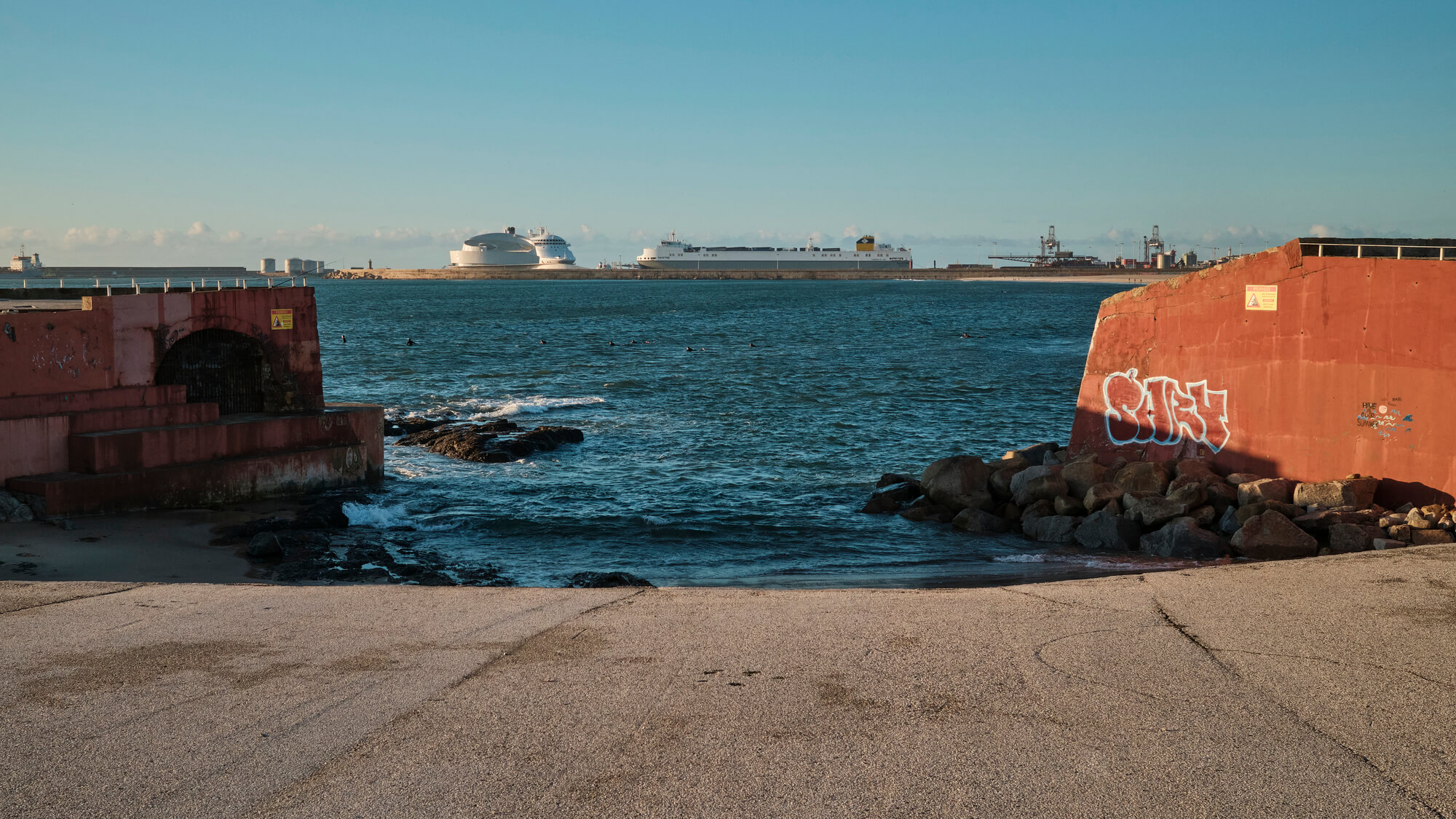
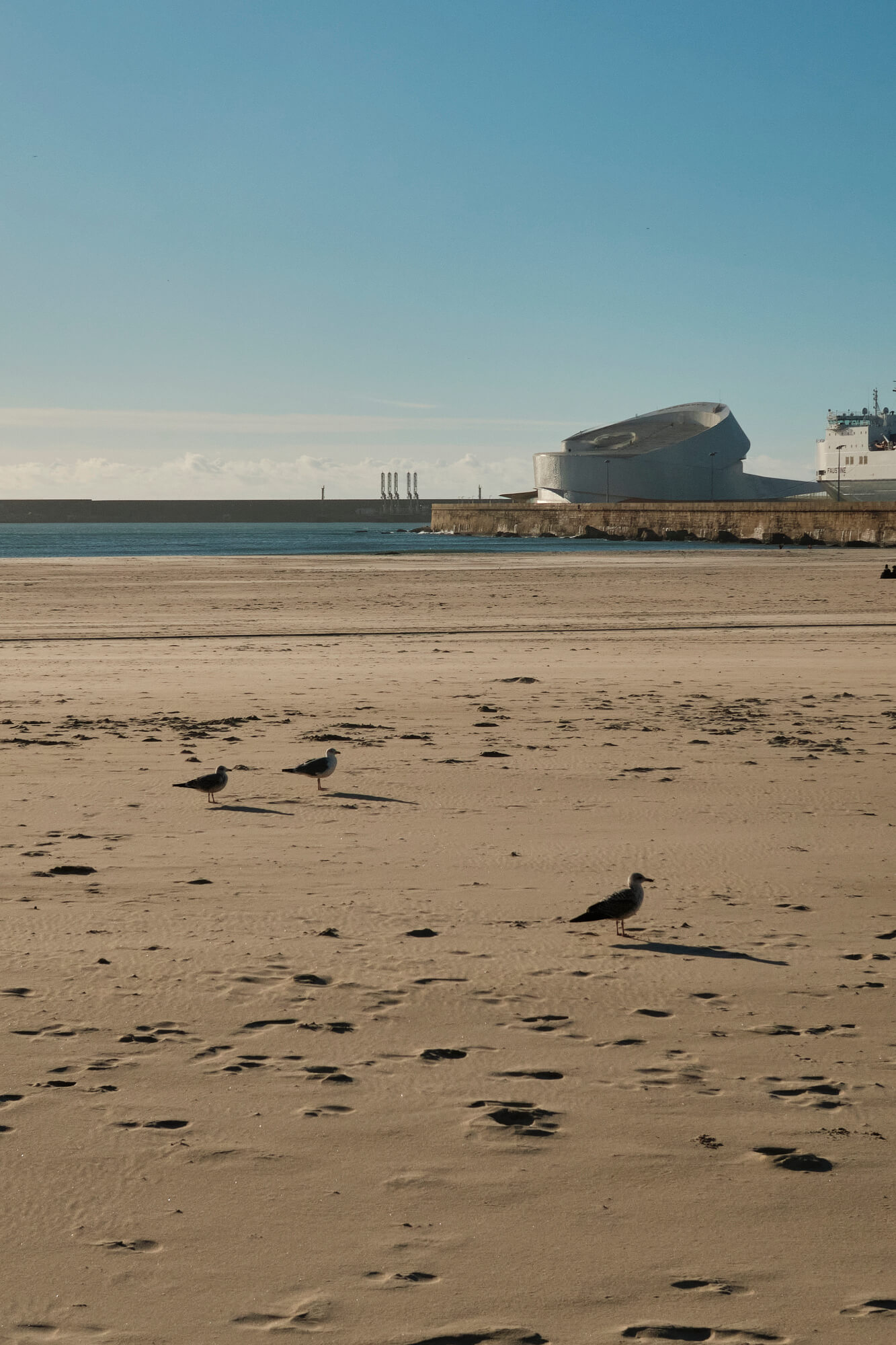
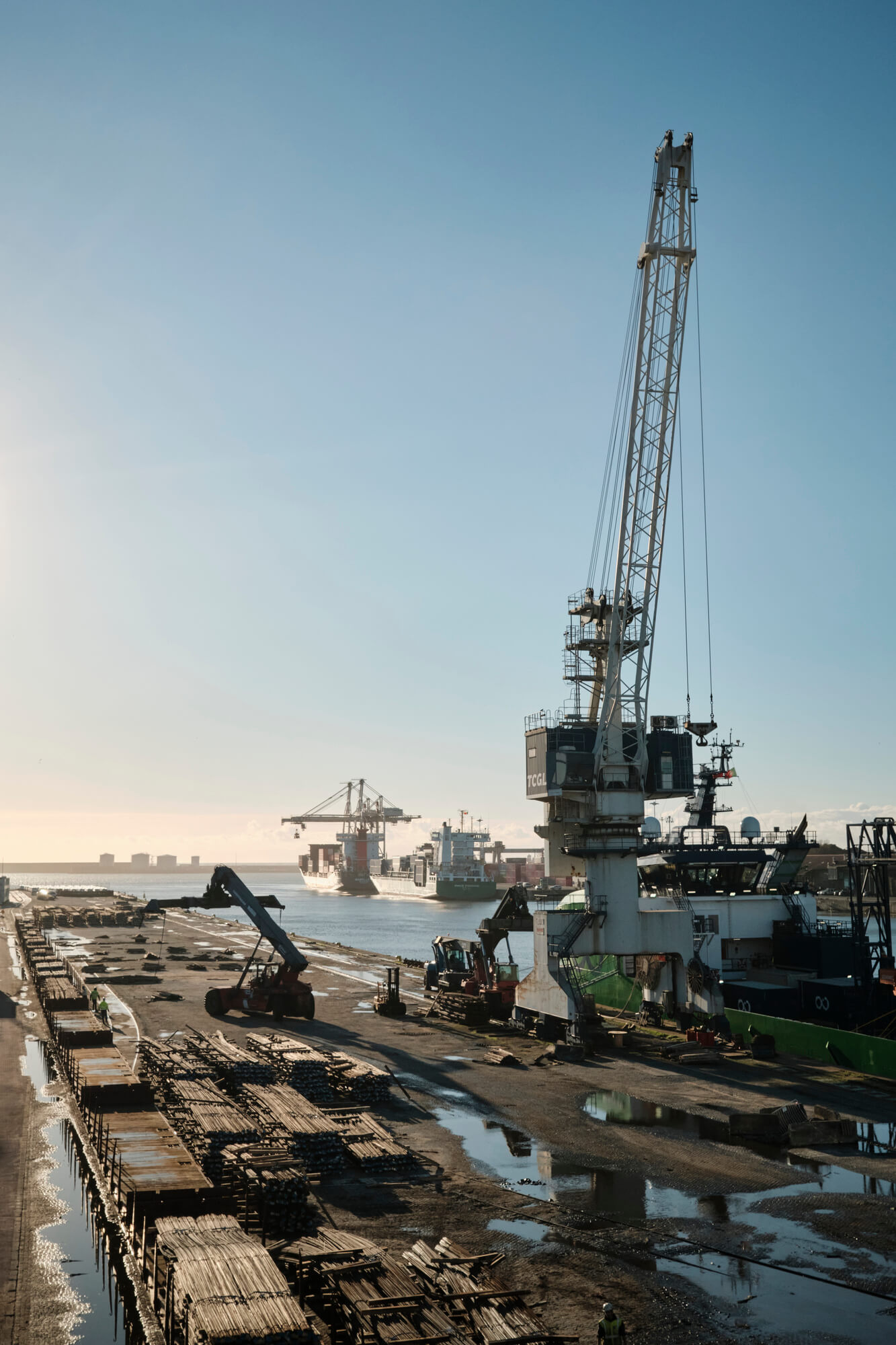
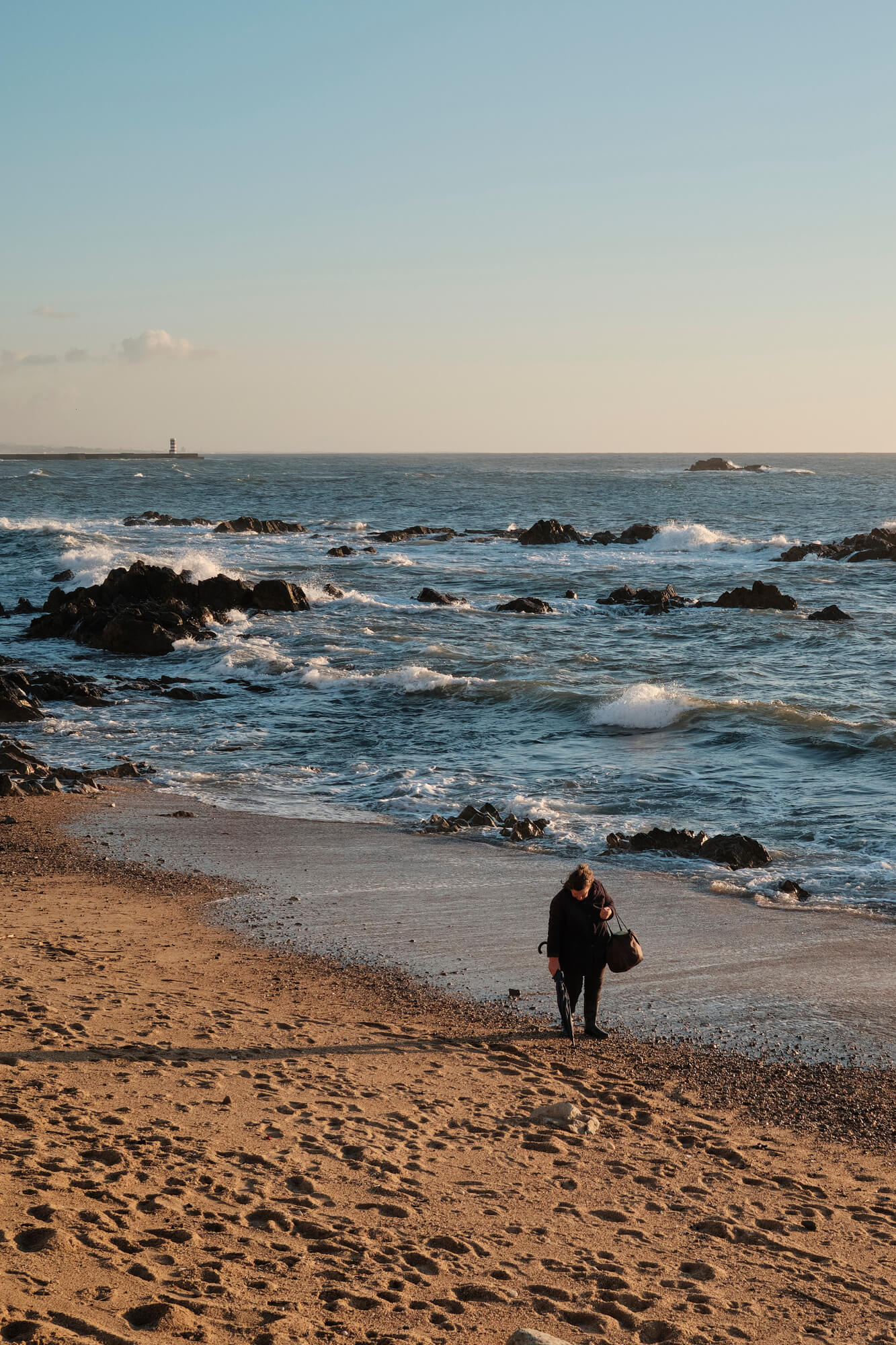
Between Foz and Matosinhos there’s a five-kilometer strand of sand, pebble, and rock — full of people strolling or jogging their way through yet another beautiful day.
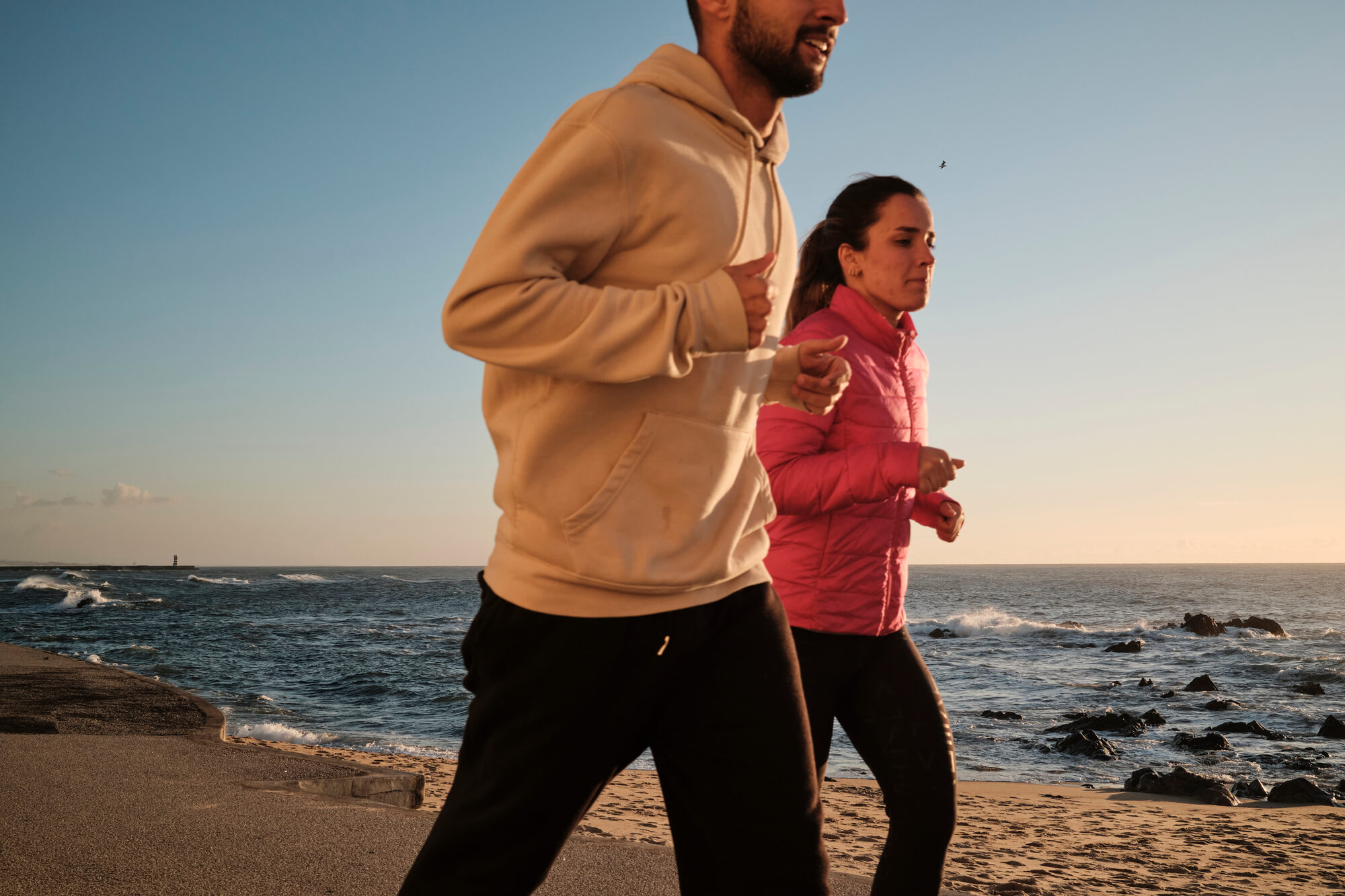
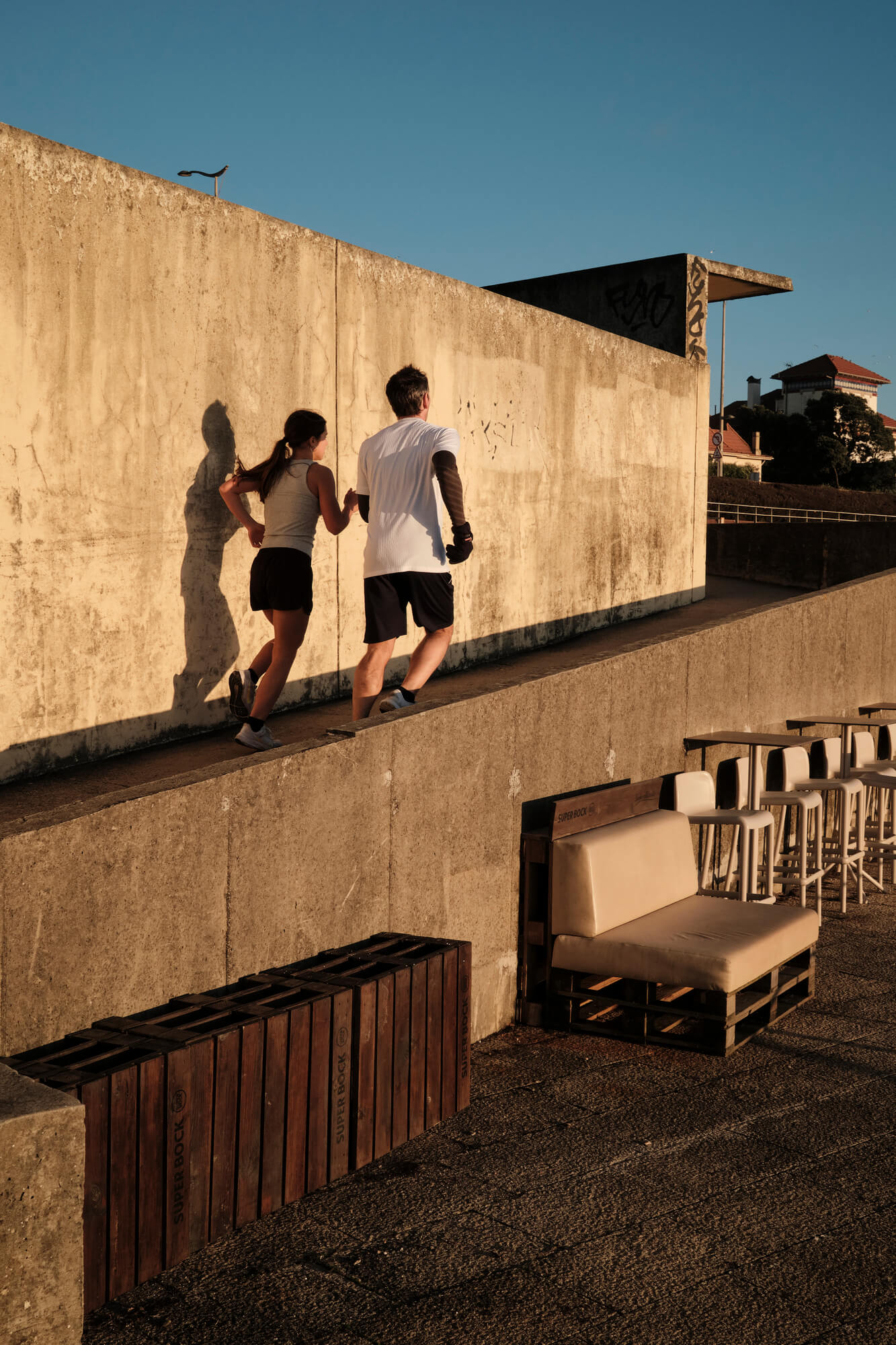
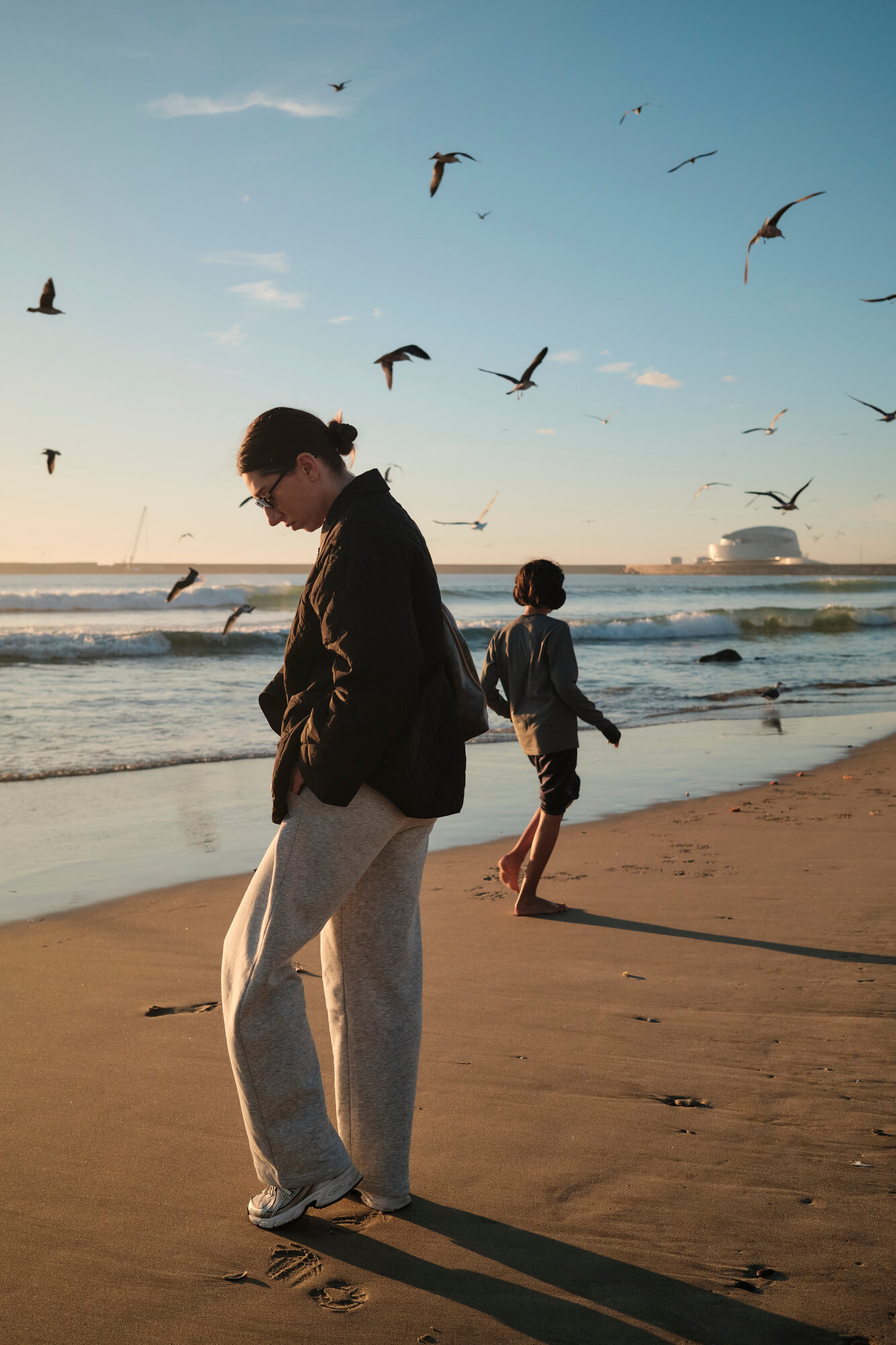
Portuguese people seem calmer and more about themselves than some of their noisy and overly friendly southern European neighbors. But still friendly, warm and open.
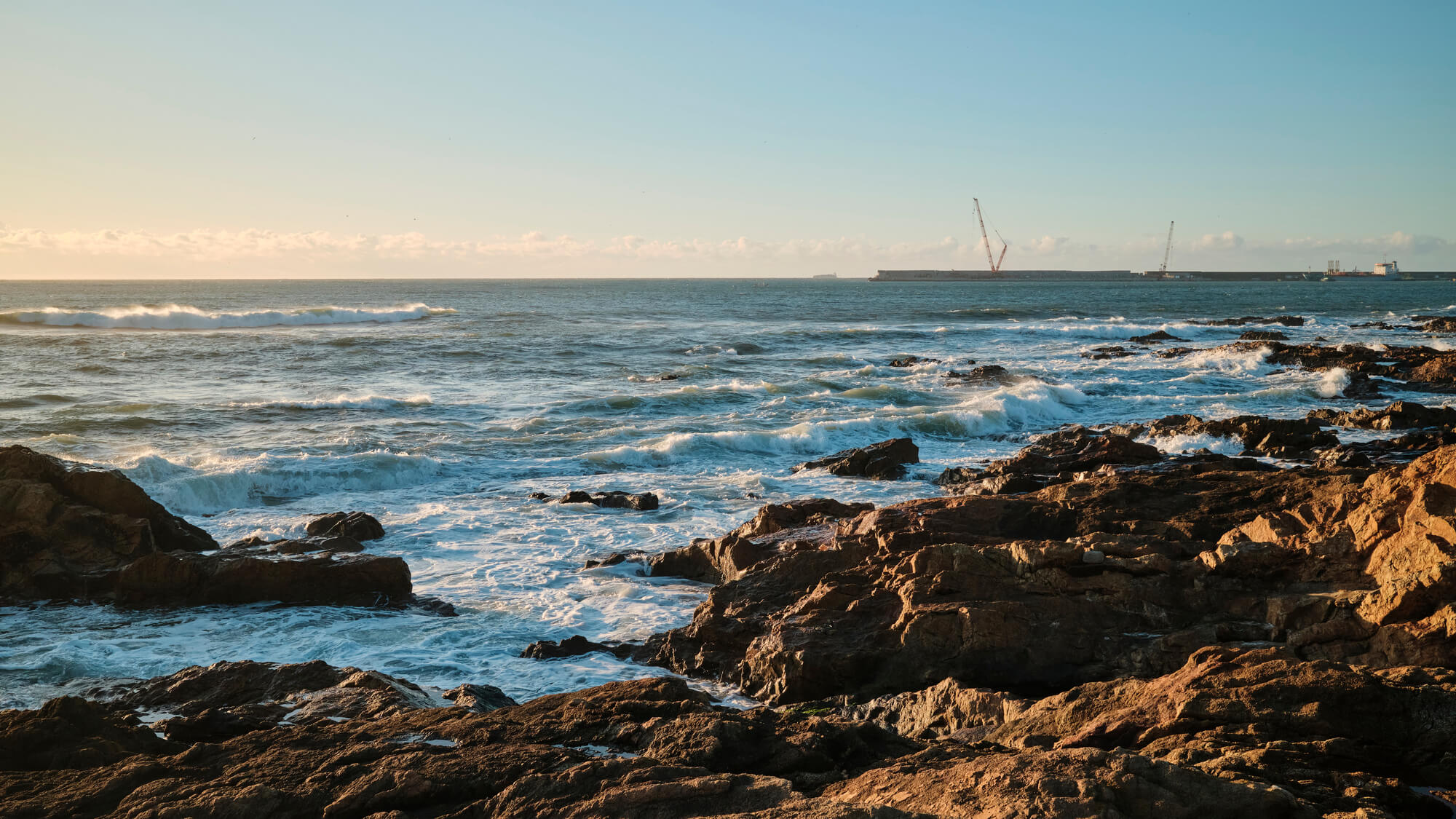
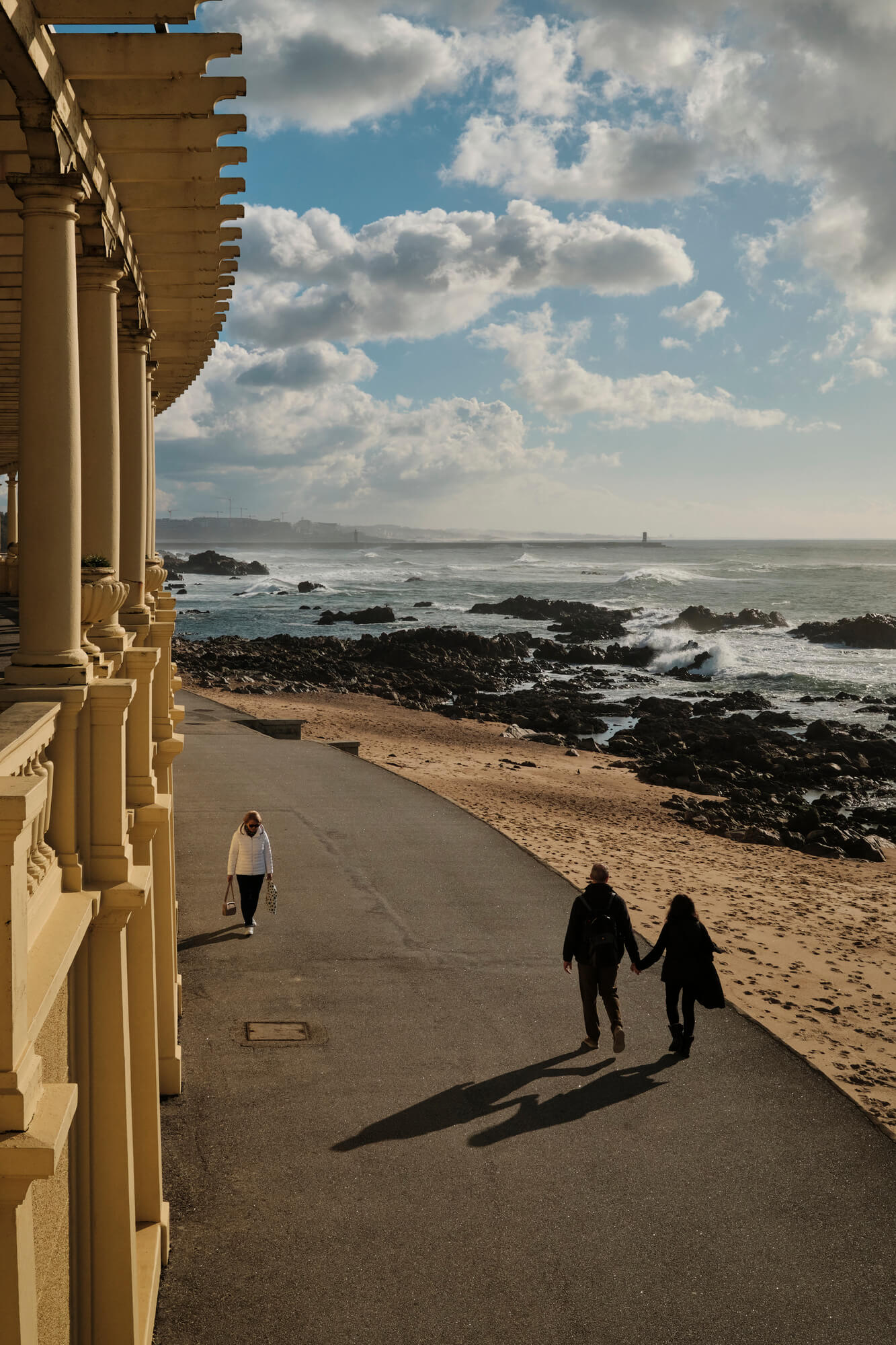
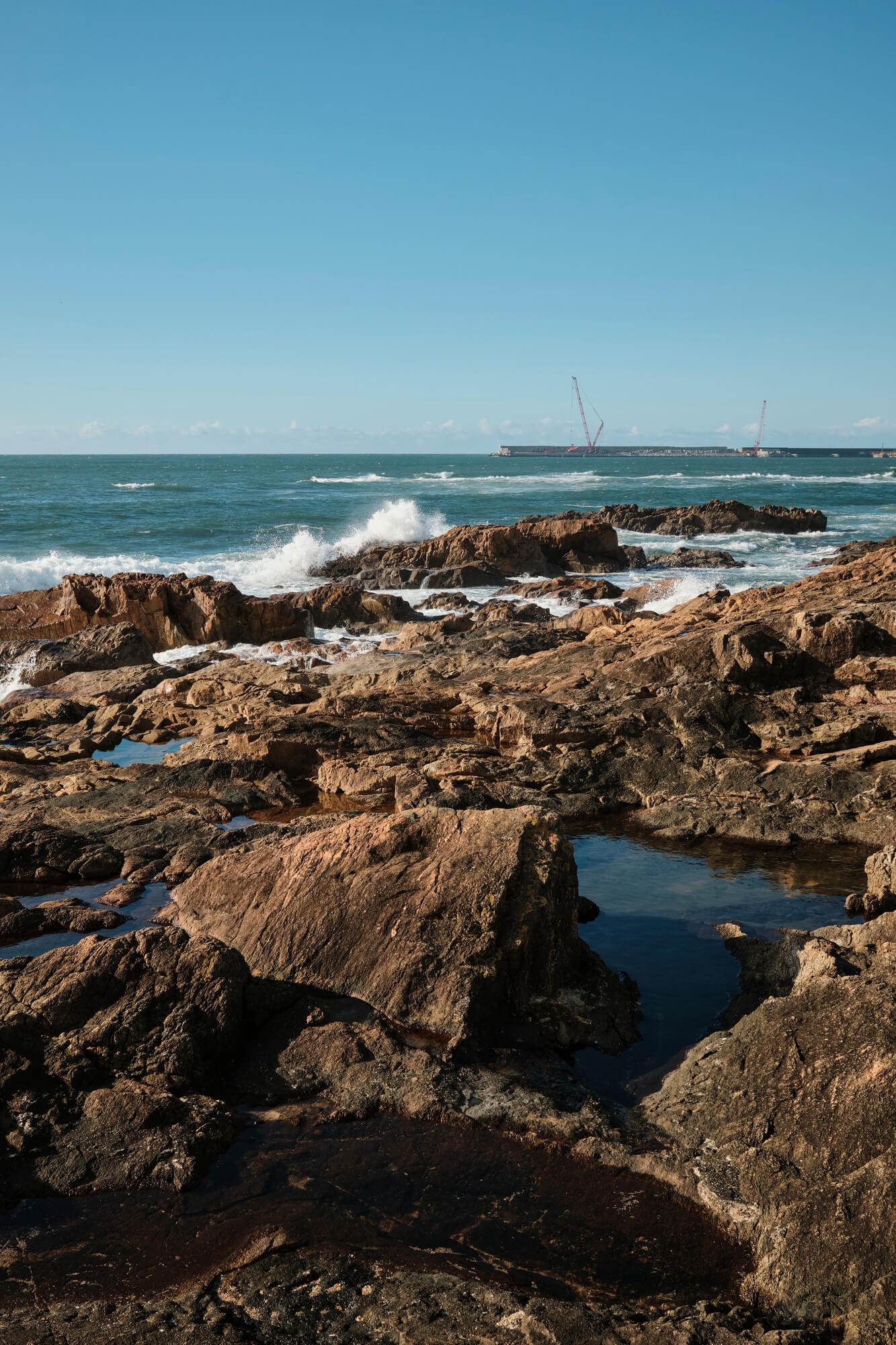
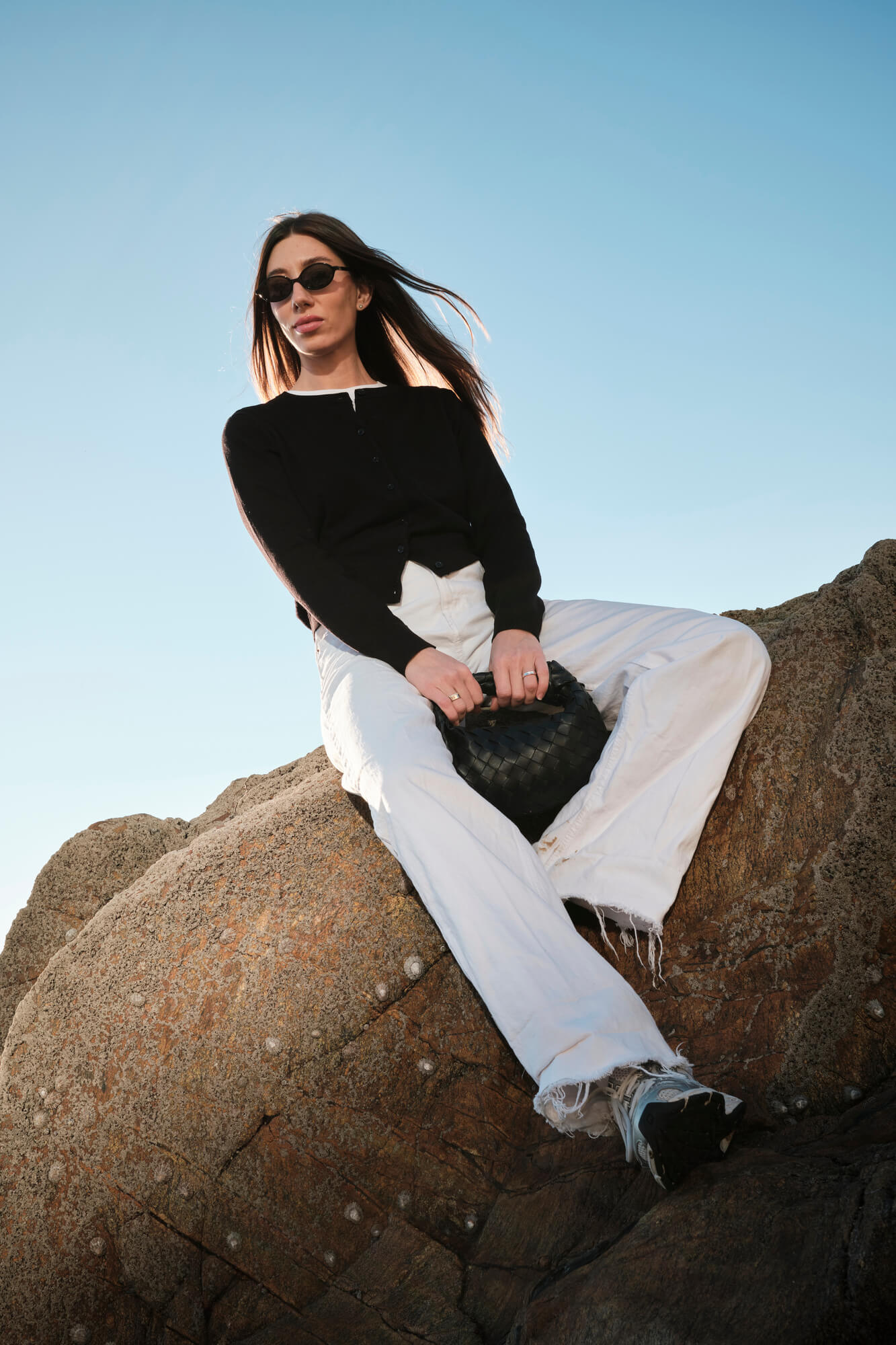
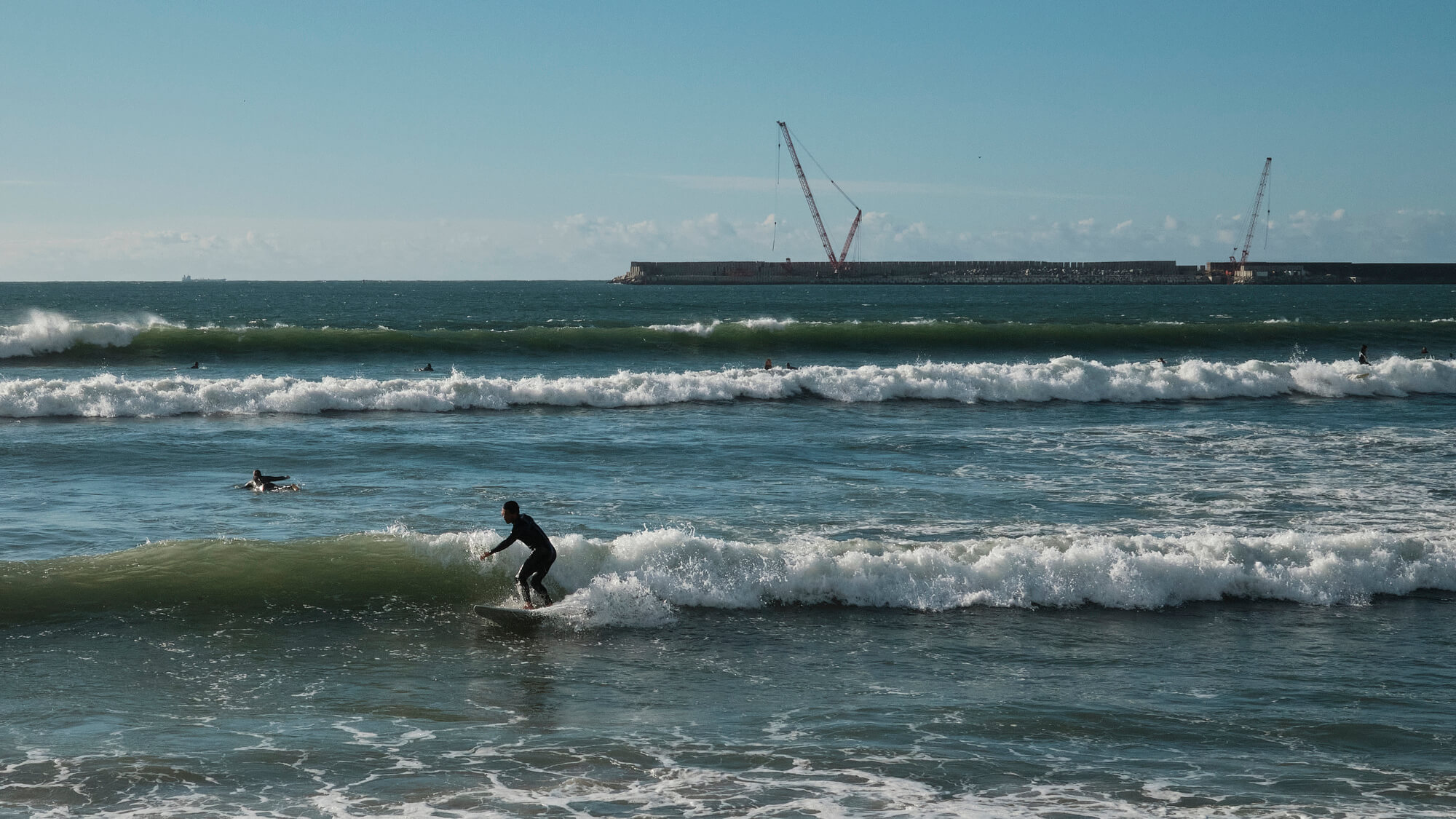
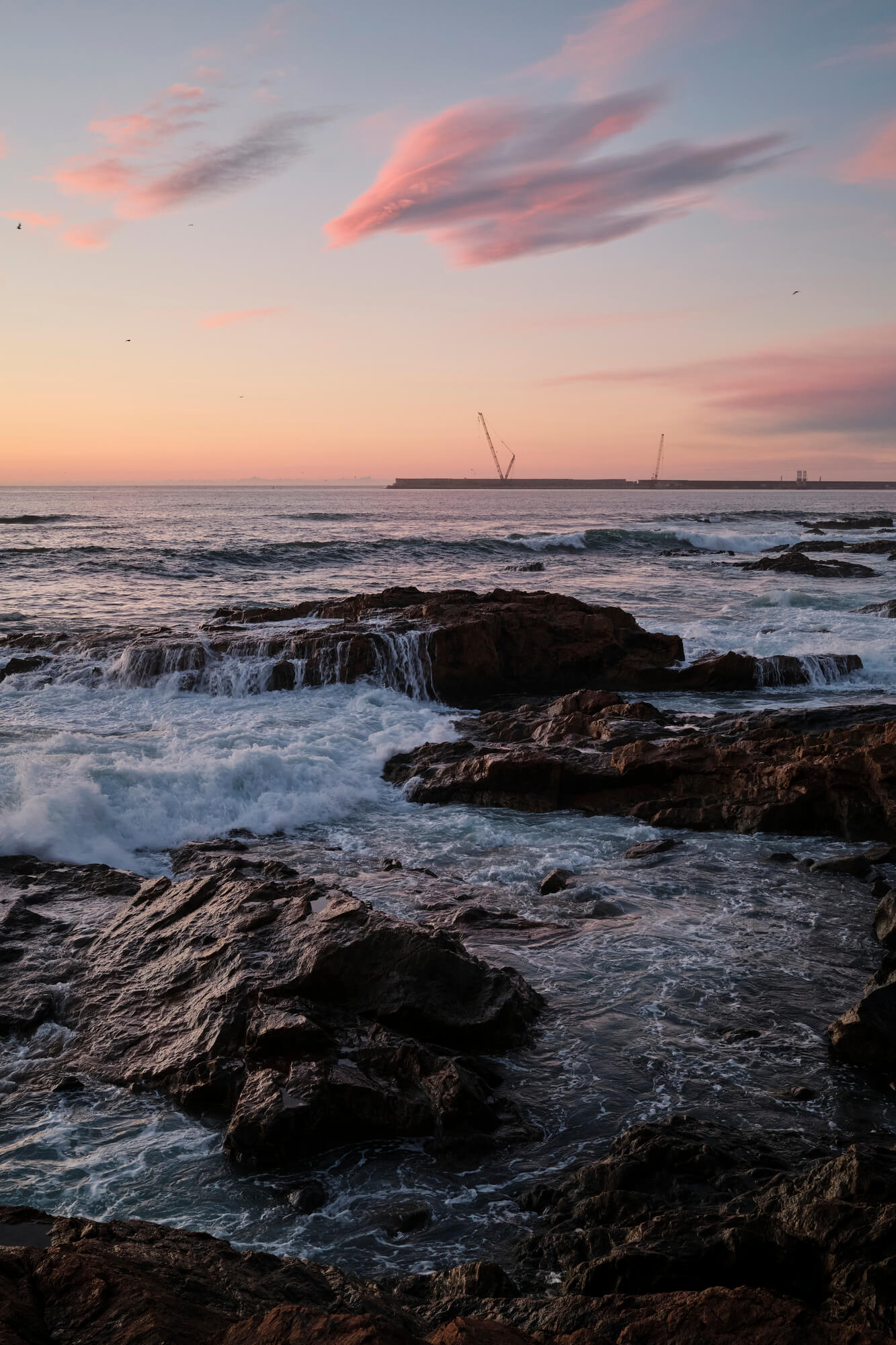
If you’re lucky, you can catch a bunch of surfers fighting the waves — especially when the ocean is stormy. Some beaches may be closed off for that reason though.
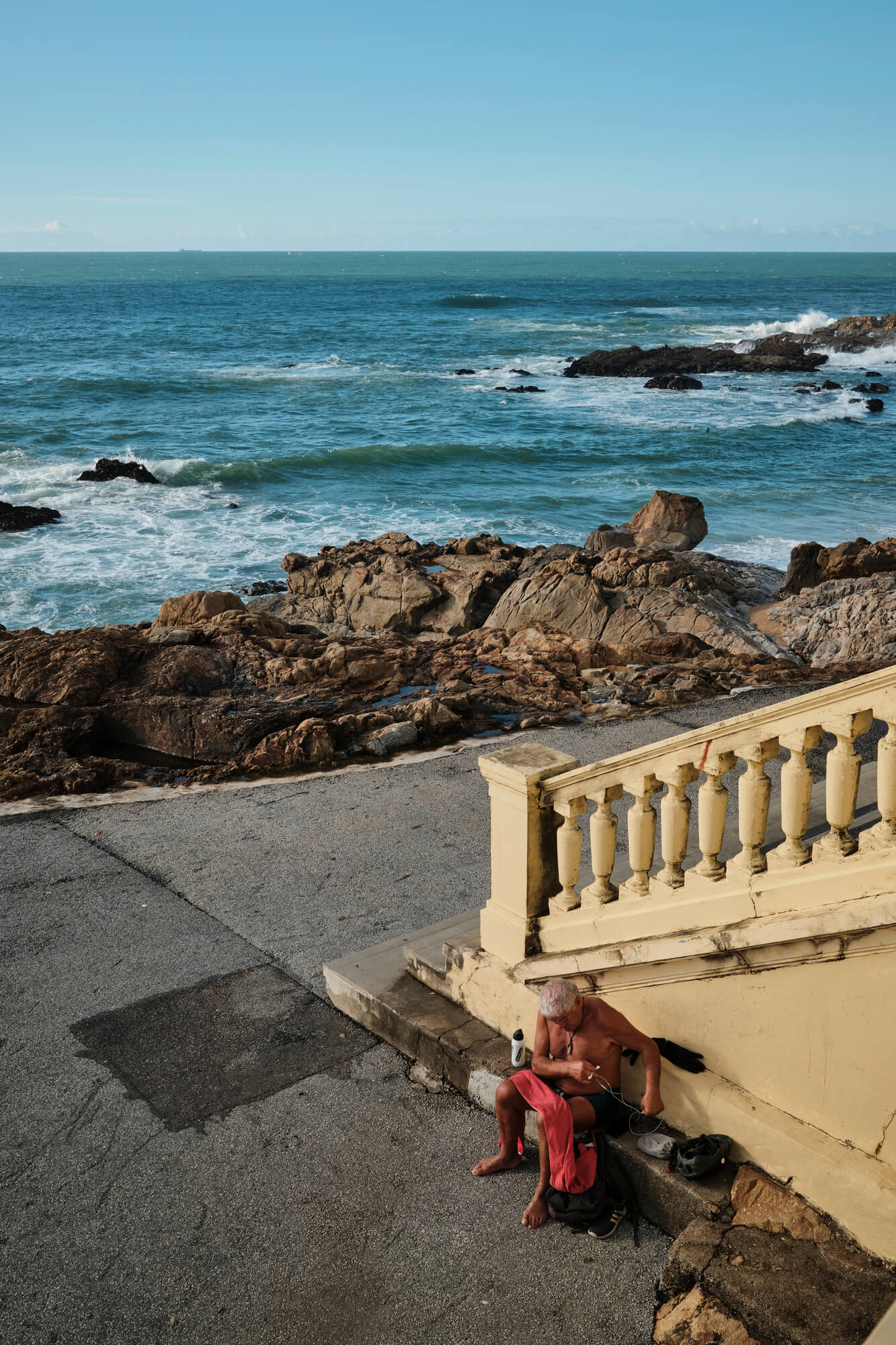
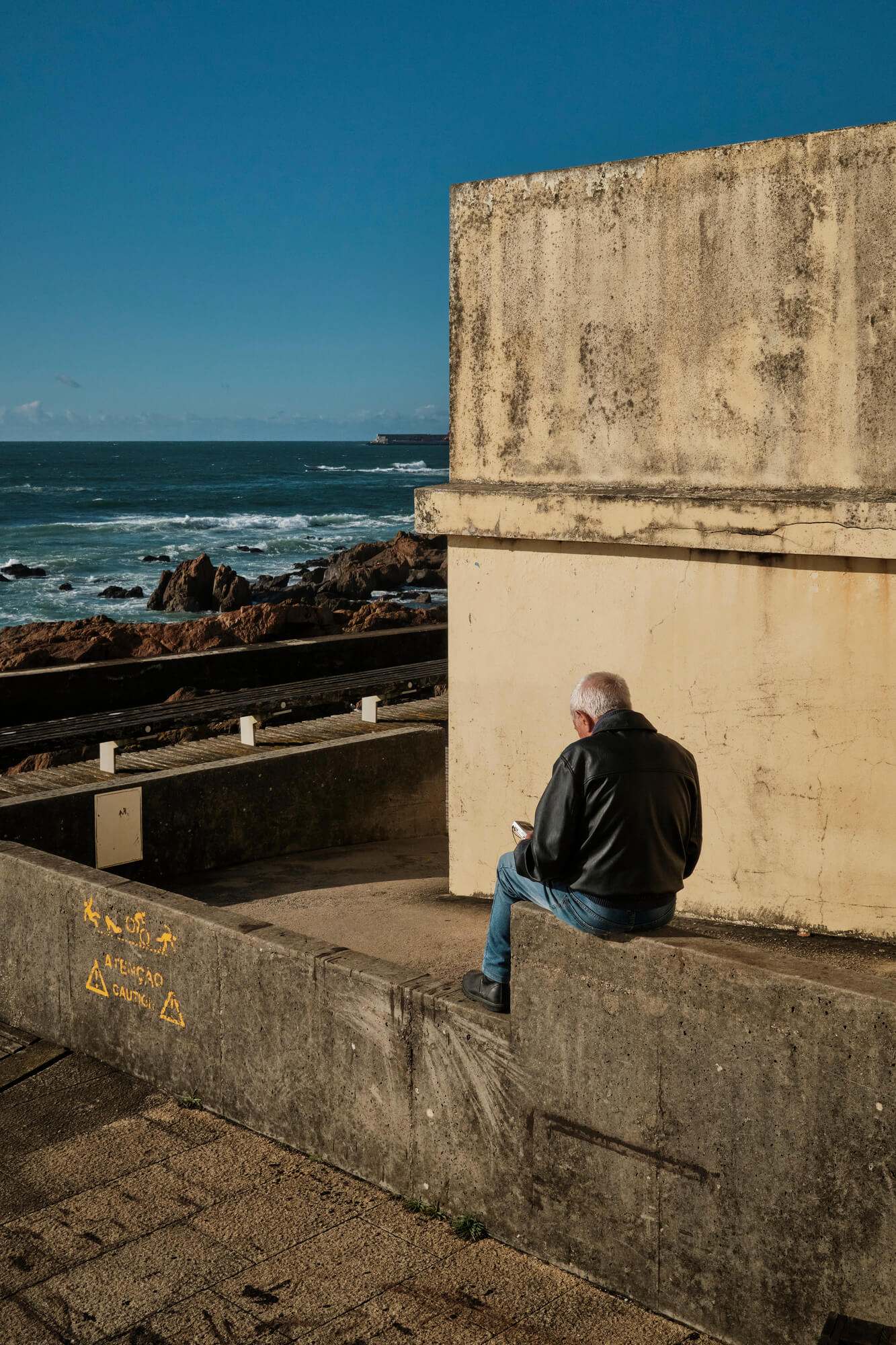
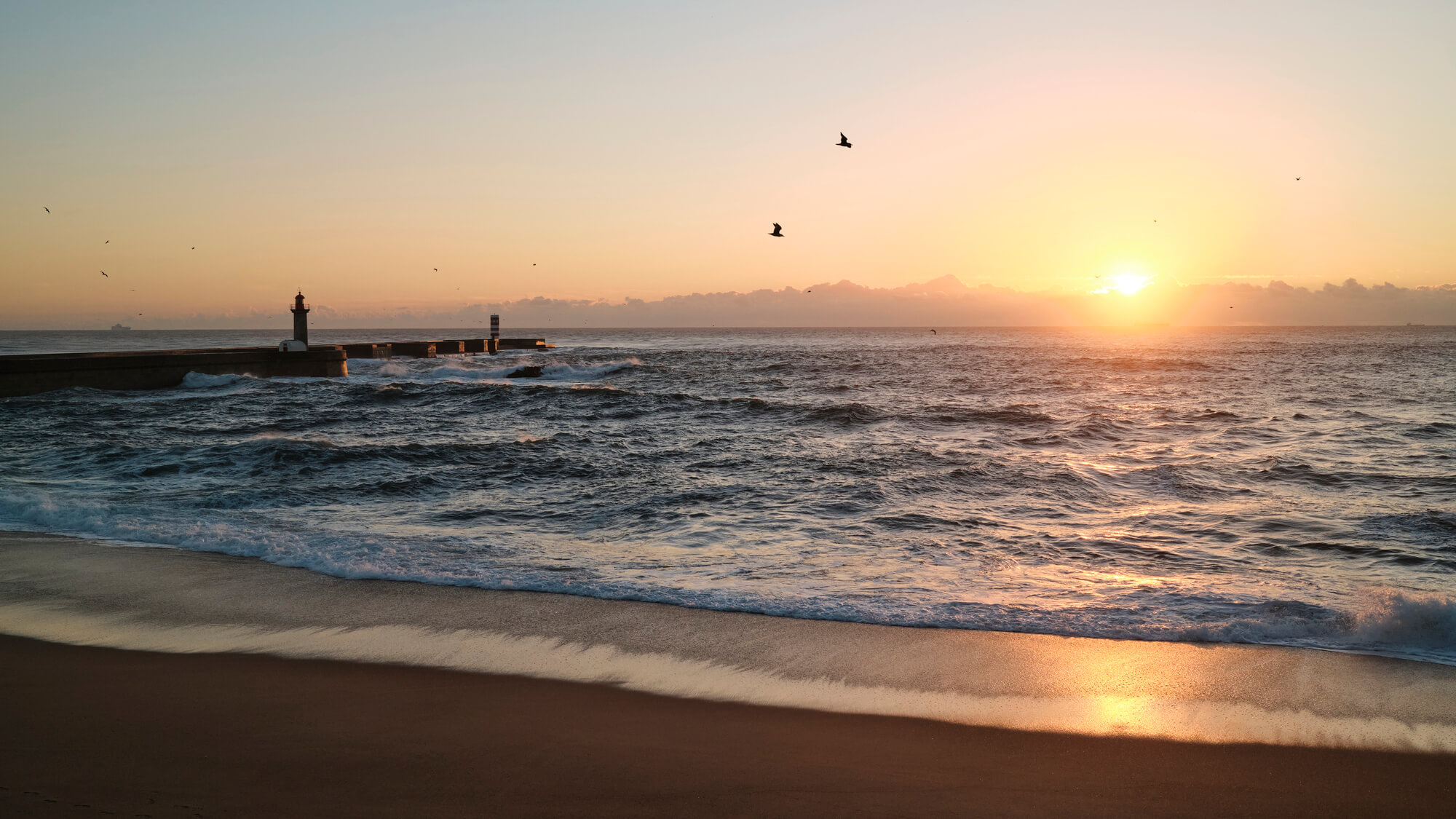
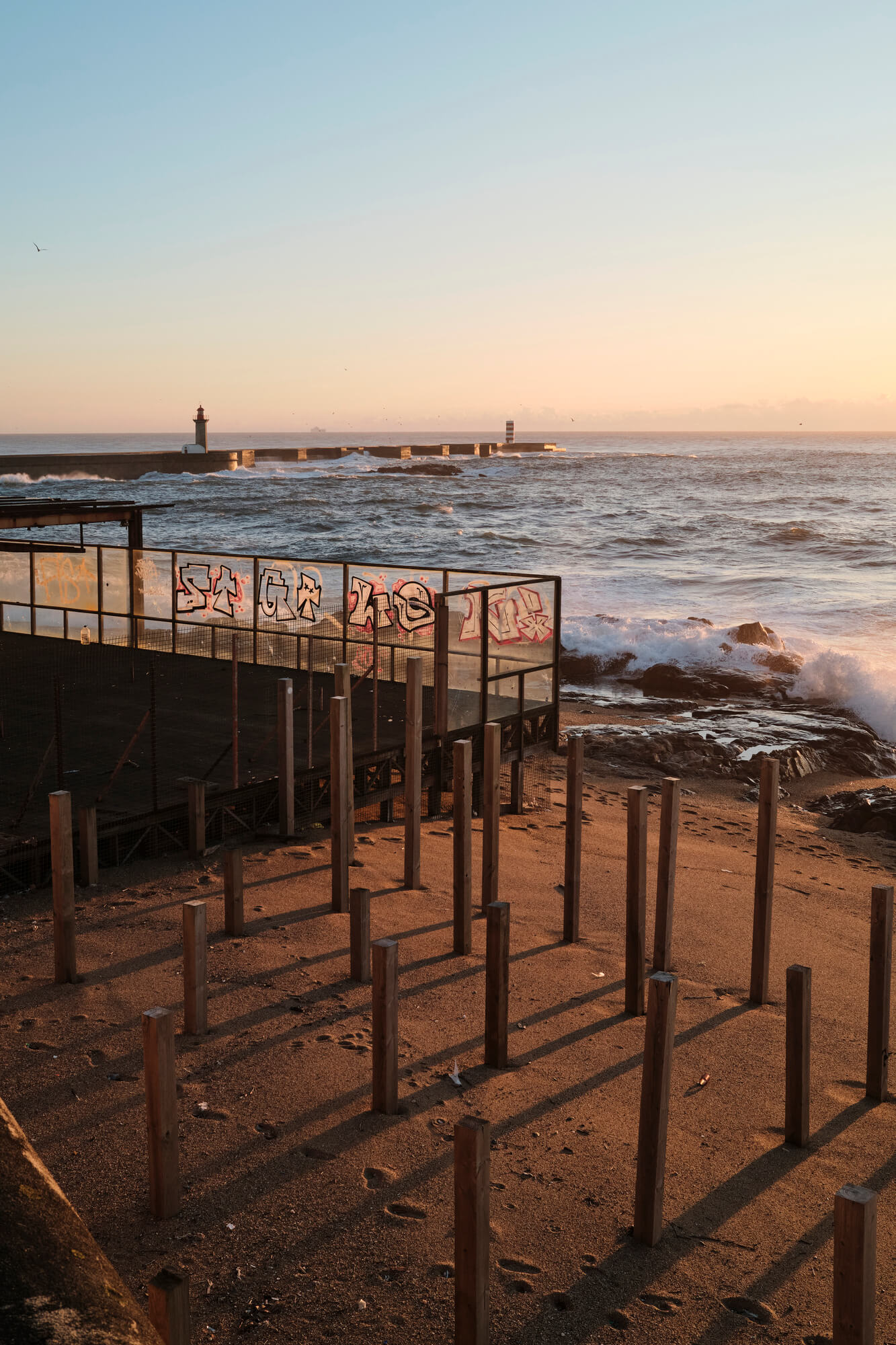
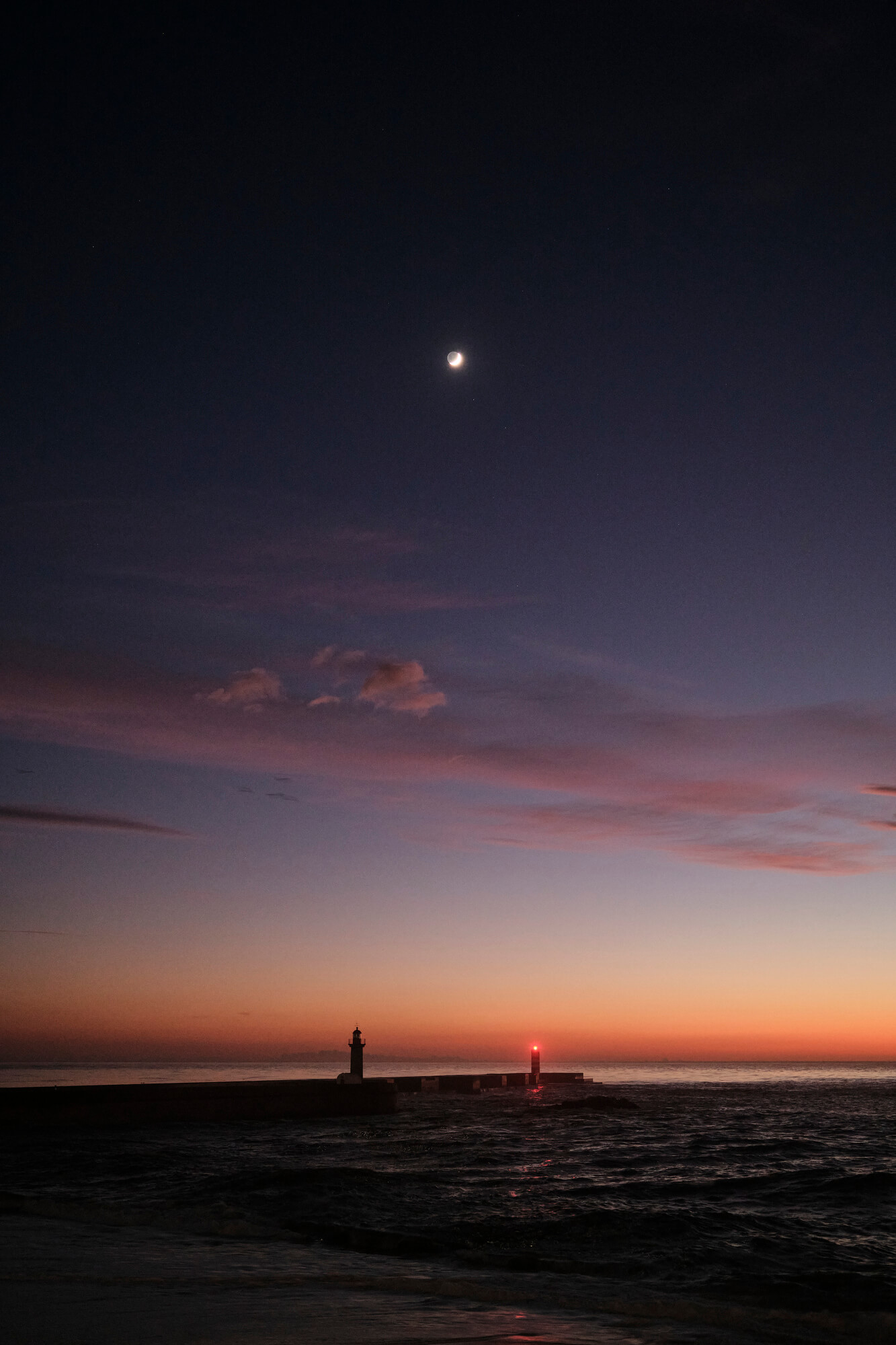
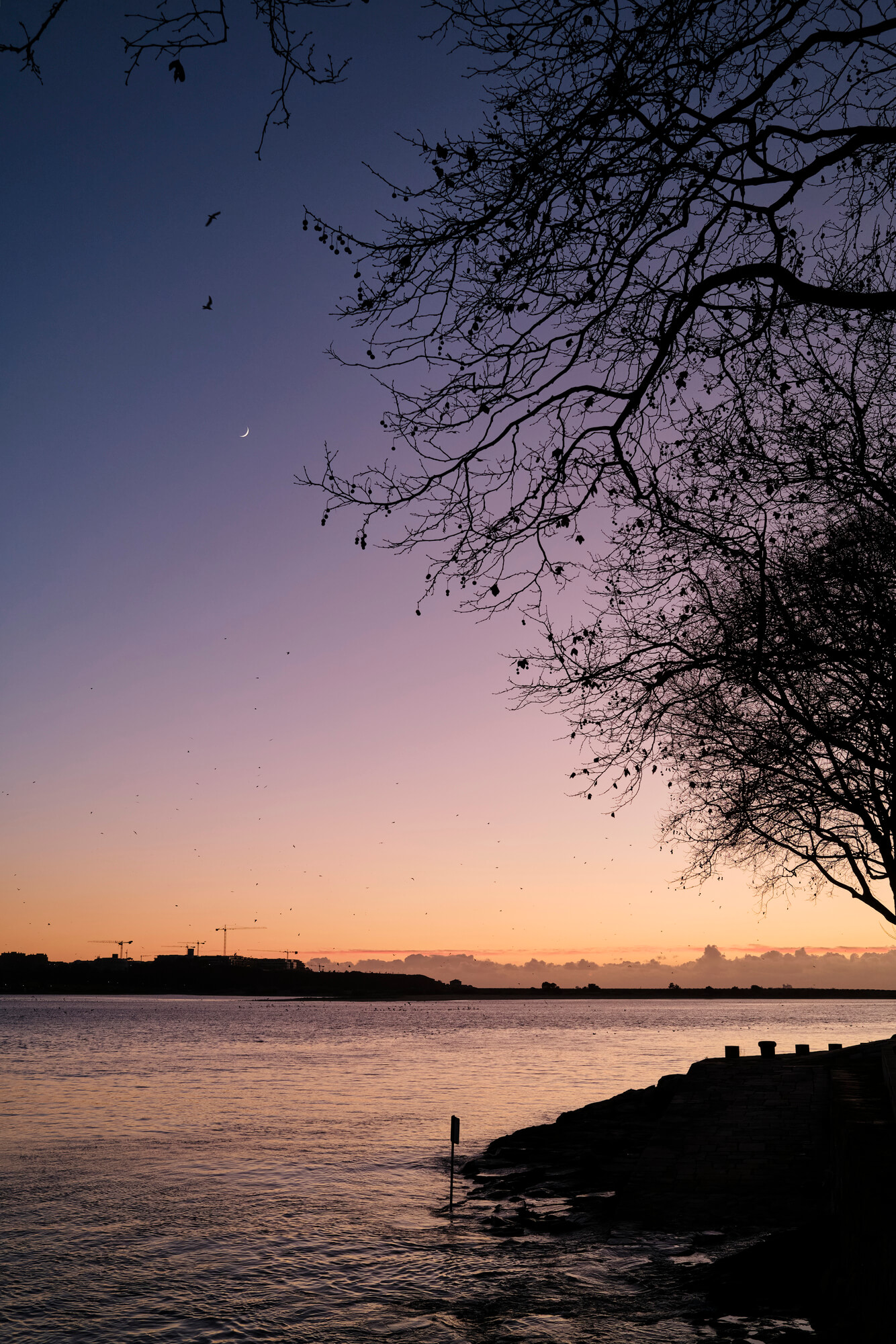
After the storm, the ocean is full of colors, and the sunset here justifies the entire trip. I’d actually consider staying in Foz rather than the city center next time.
But will there be a next time? Well, sure — if I ever need to escape Mitteleuropa’s winter and that’s the best available option. Otherwise, ten days were enough
Not that I didn’t enjoy my time in Porto, or found it particularly dull — but it was just another item off my list, with nothing to distinguish it from all the other places.
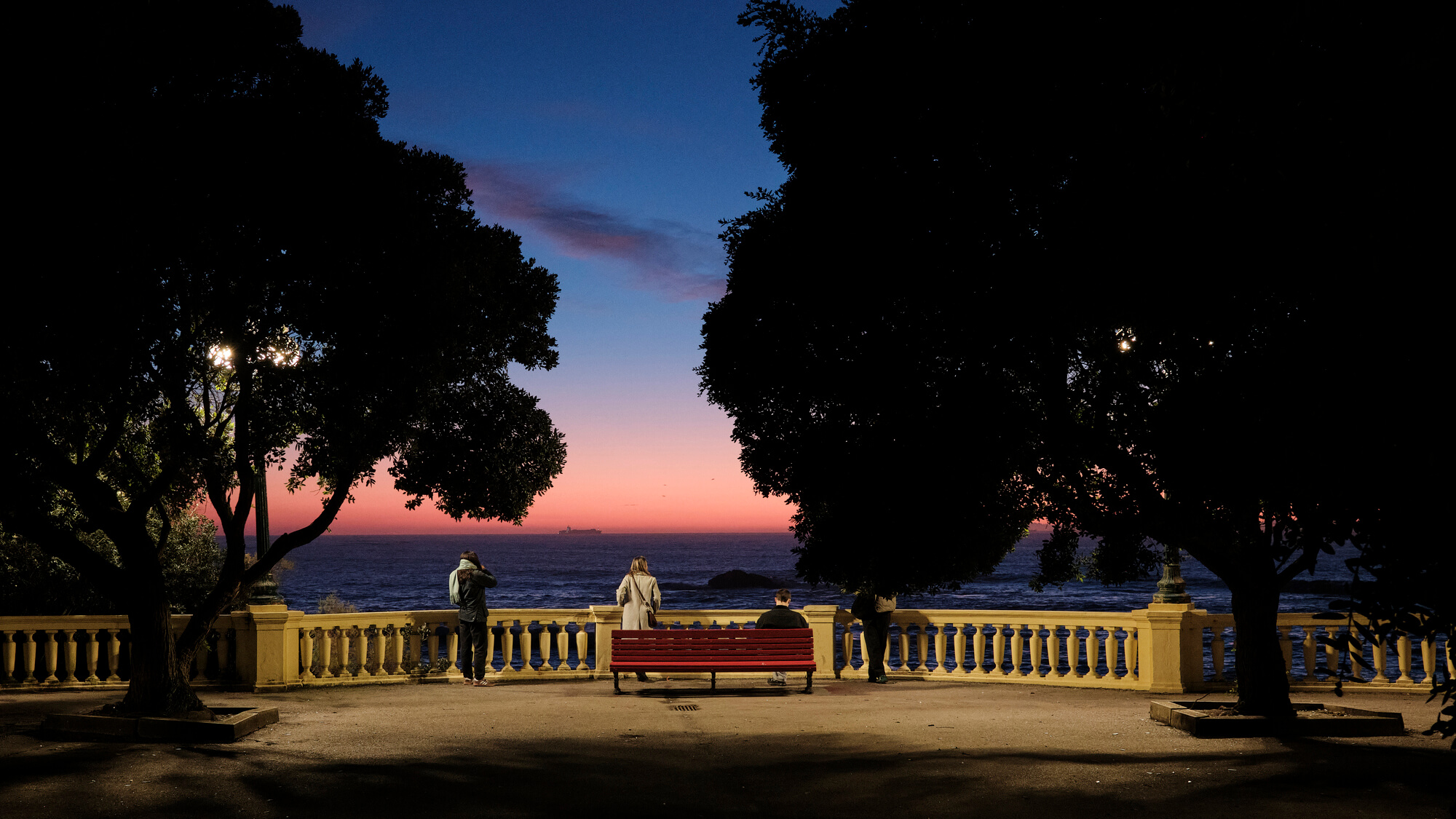
Or maybe it’s just me growing old, cynical, and sick of the old continent — yearning to finally venture beyond that ocean to discover the brave new world out there.