This post is also available in Russian 🐻
On November 11th each year, Poland celebrates independence. For Polish people, this day is almost as important as Christmas — another date that’s supposed to unite people but often ends up sparking ideological disputes and splitting hairs.

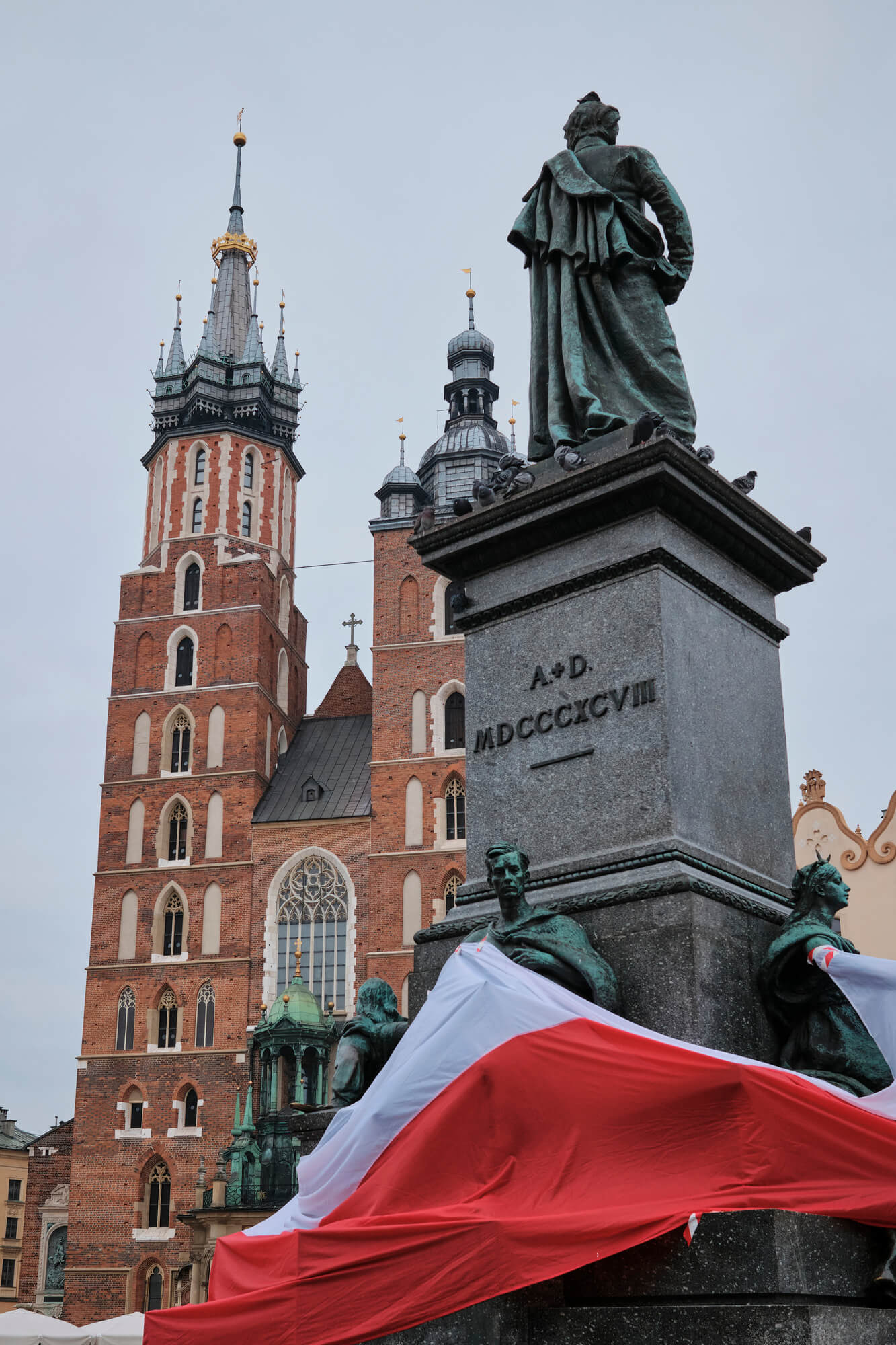
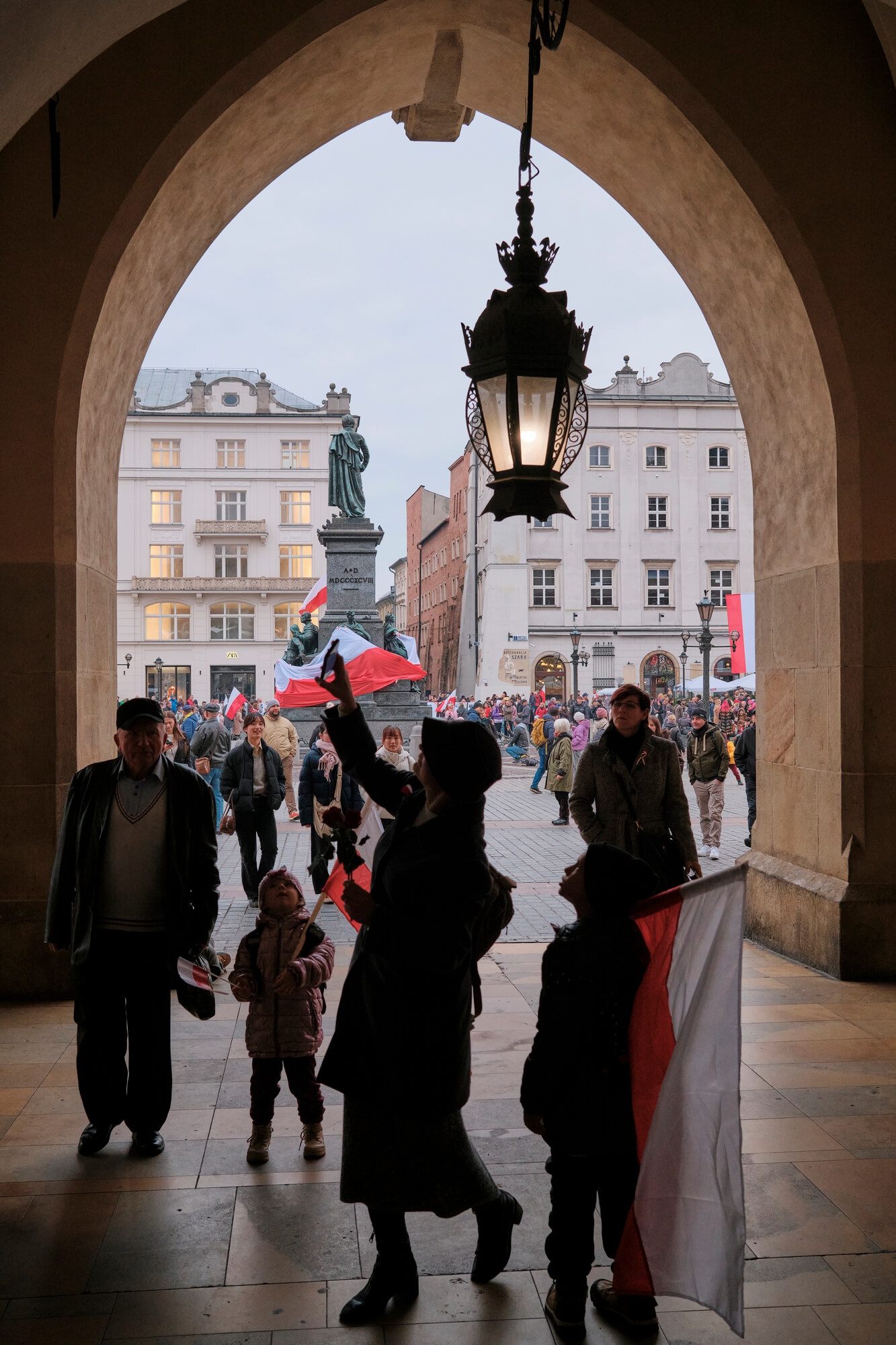
When I first came to Poland seven years back, I was quite overwhelmed by all the national flags hanging from every window. Turned out, it was the 100th anniversary of breaking free from Austrian, Prussian, and most importantly, Russian rule.
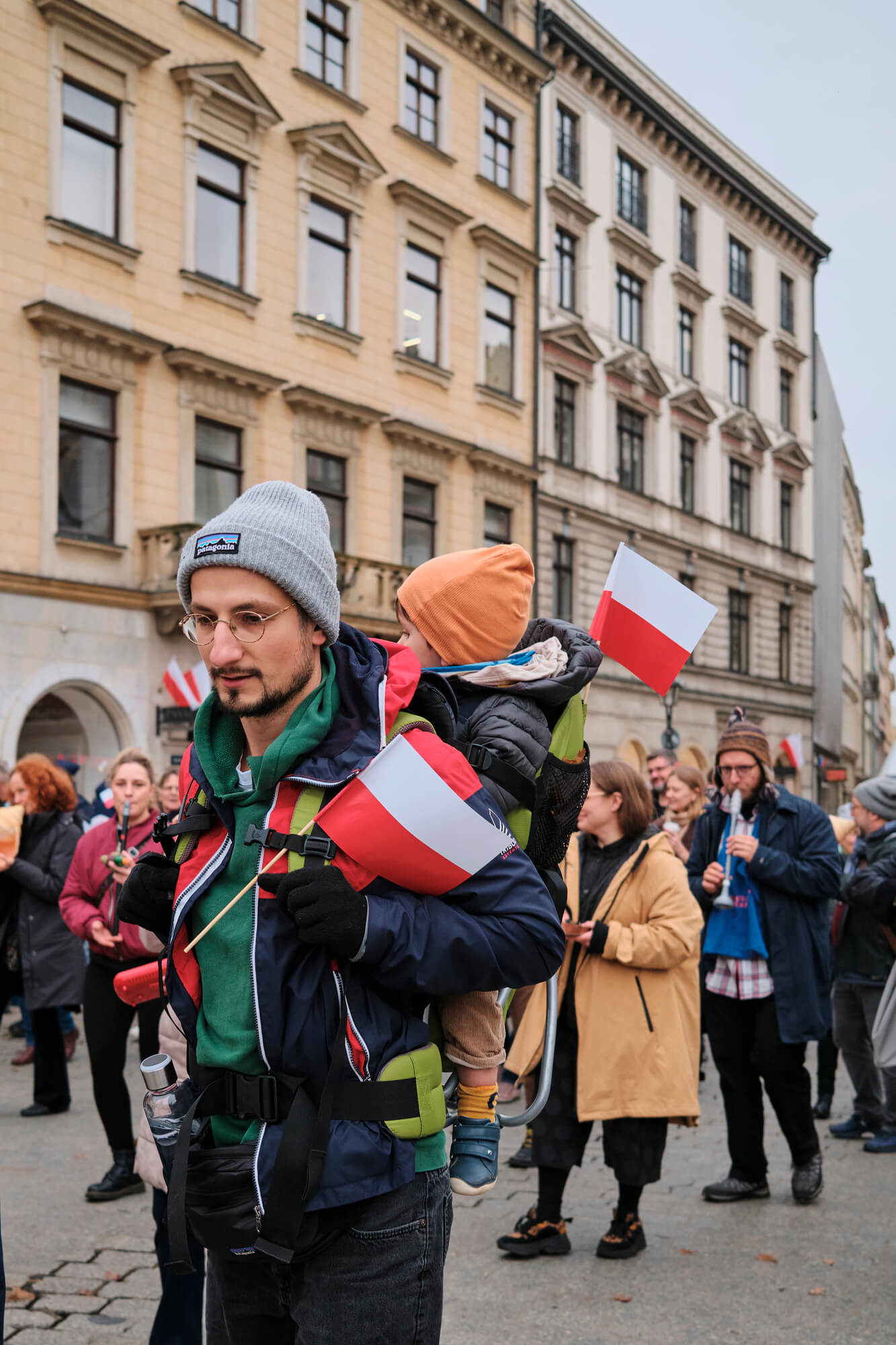
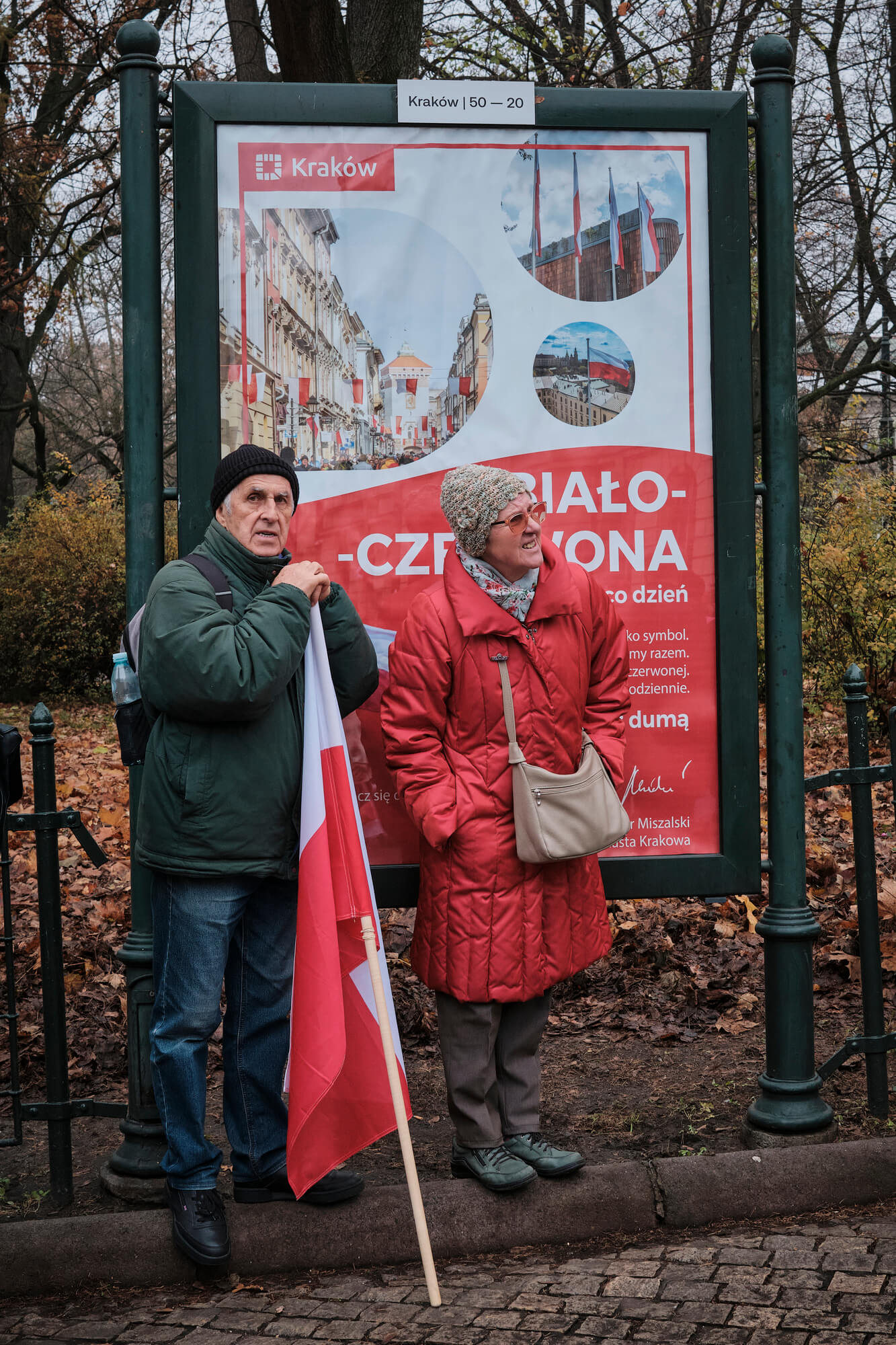
Though 2018 was special, it wasn’t exceptional — the country casually turns white and red every year (and not only for this occasion). But back then I knew little about the matter and saw it as a rather vulgar display of right-wing political views.
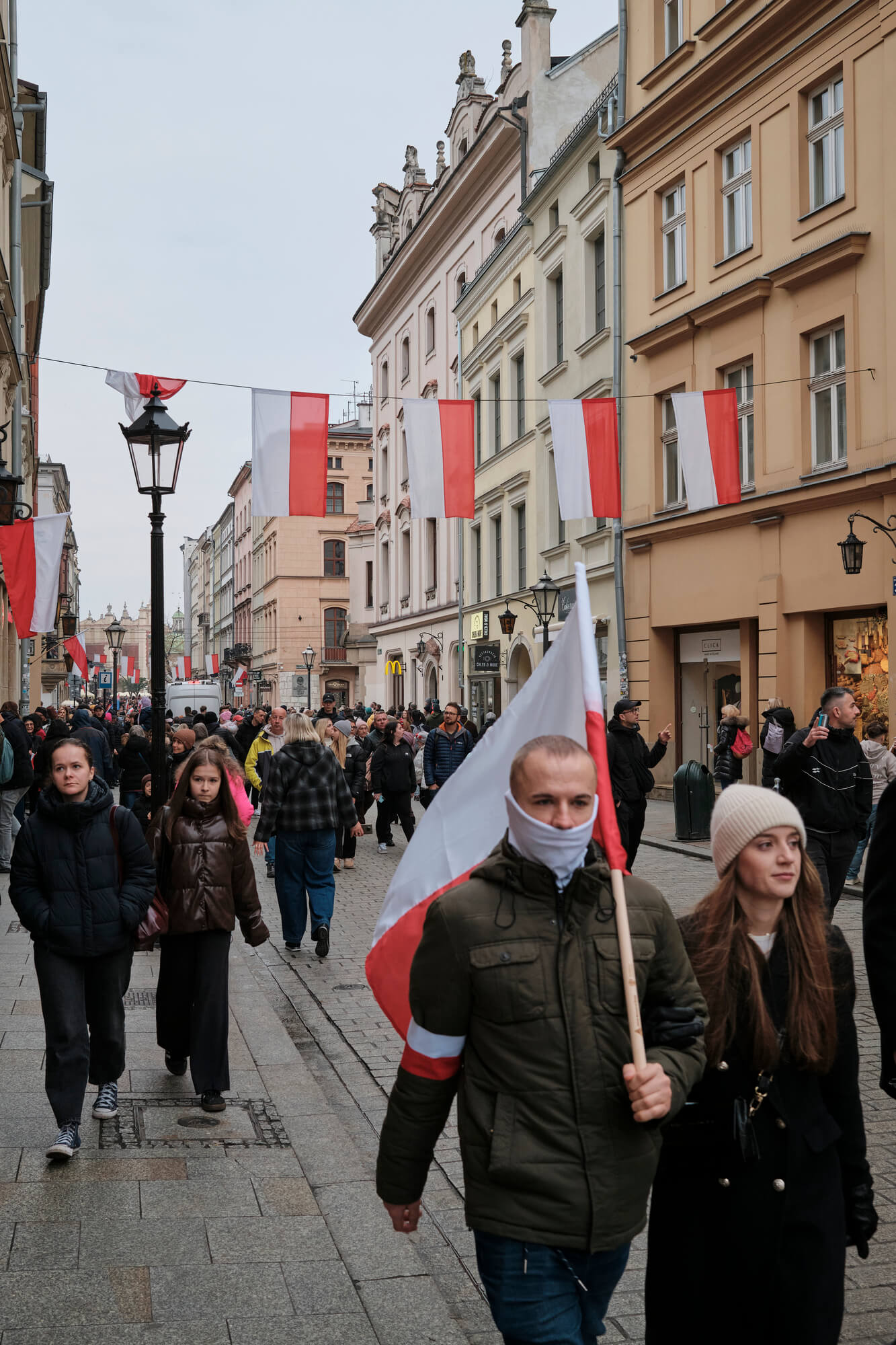
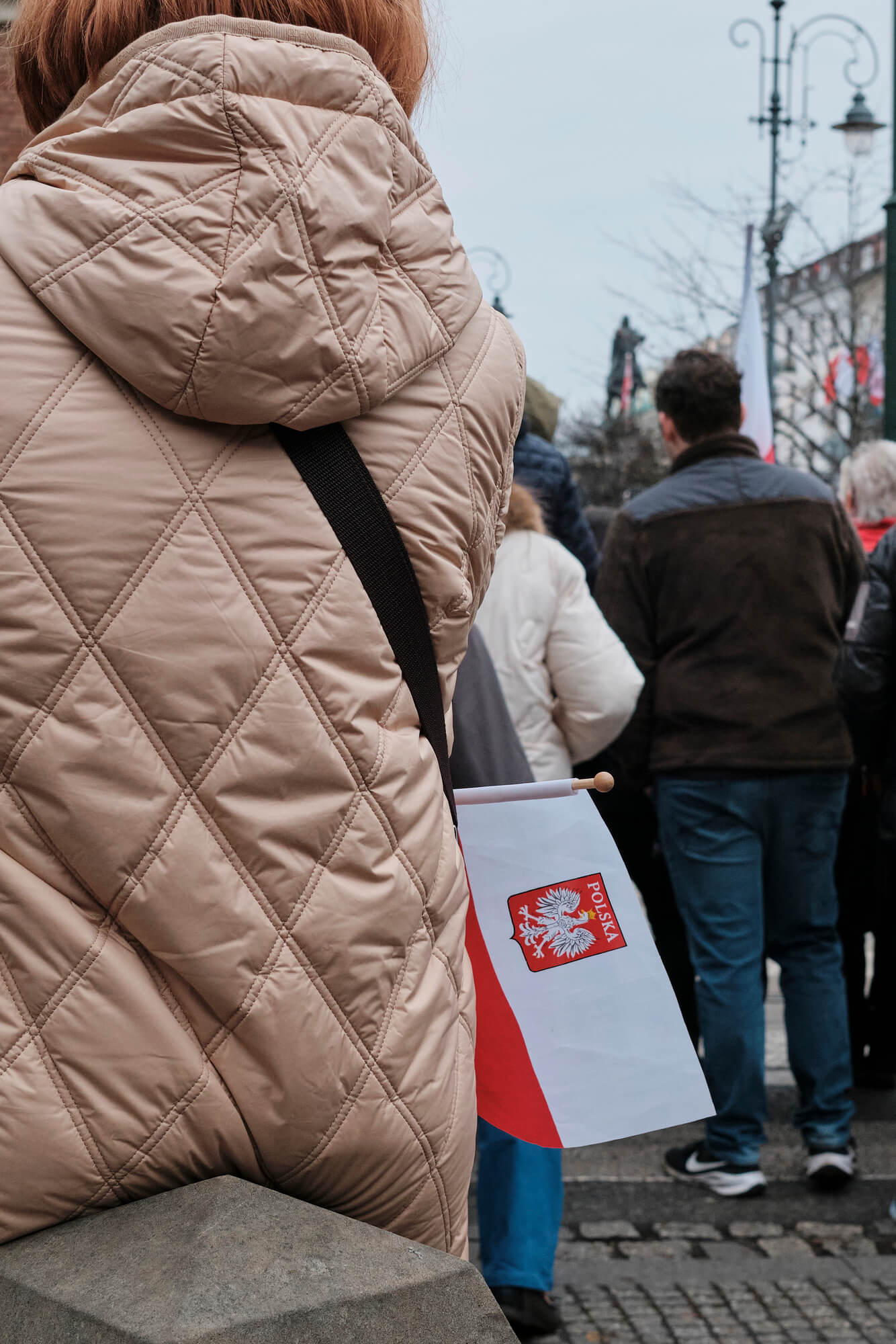
Later I learned all that was meant to be a symbol of sovereignty and national unity — very important concepts for a country that was divided and deprived of statehood for 123 years, and then for 50 more — until all the surrounding empires died out.
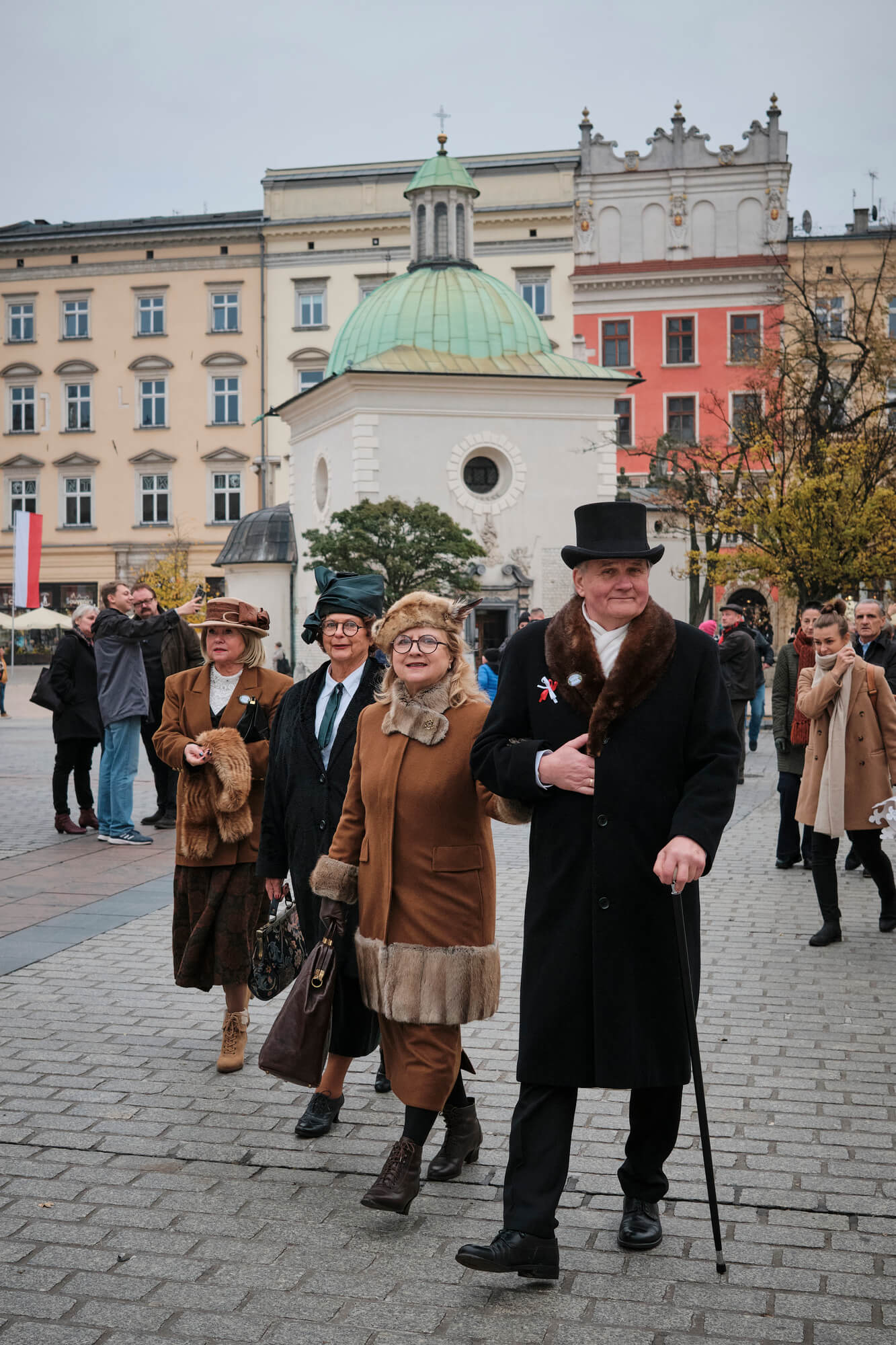
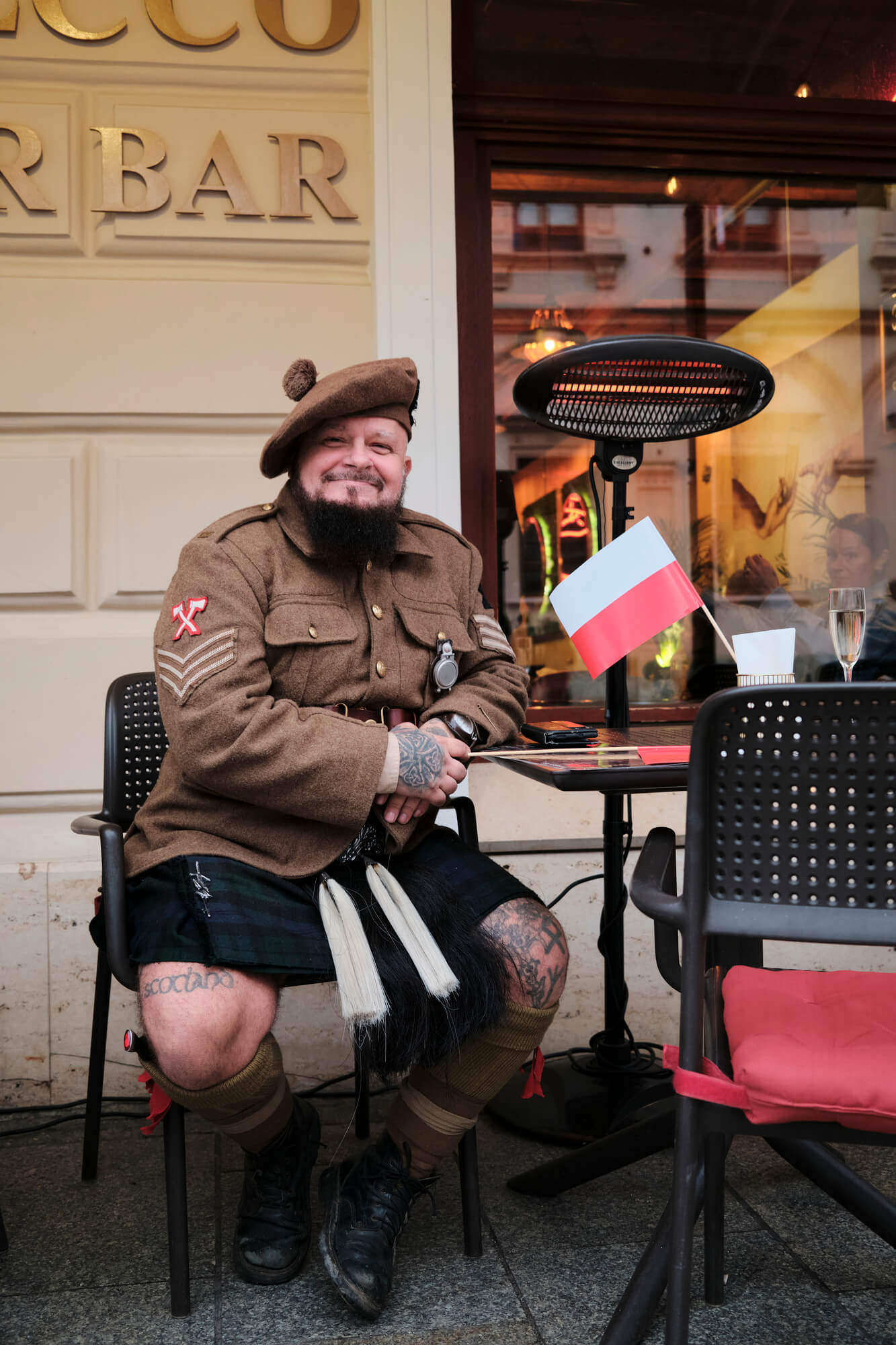
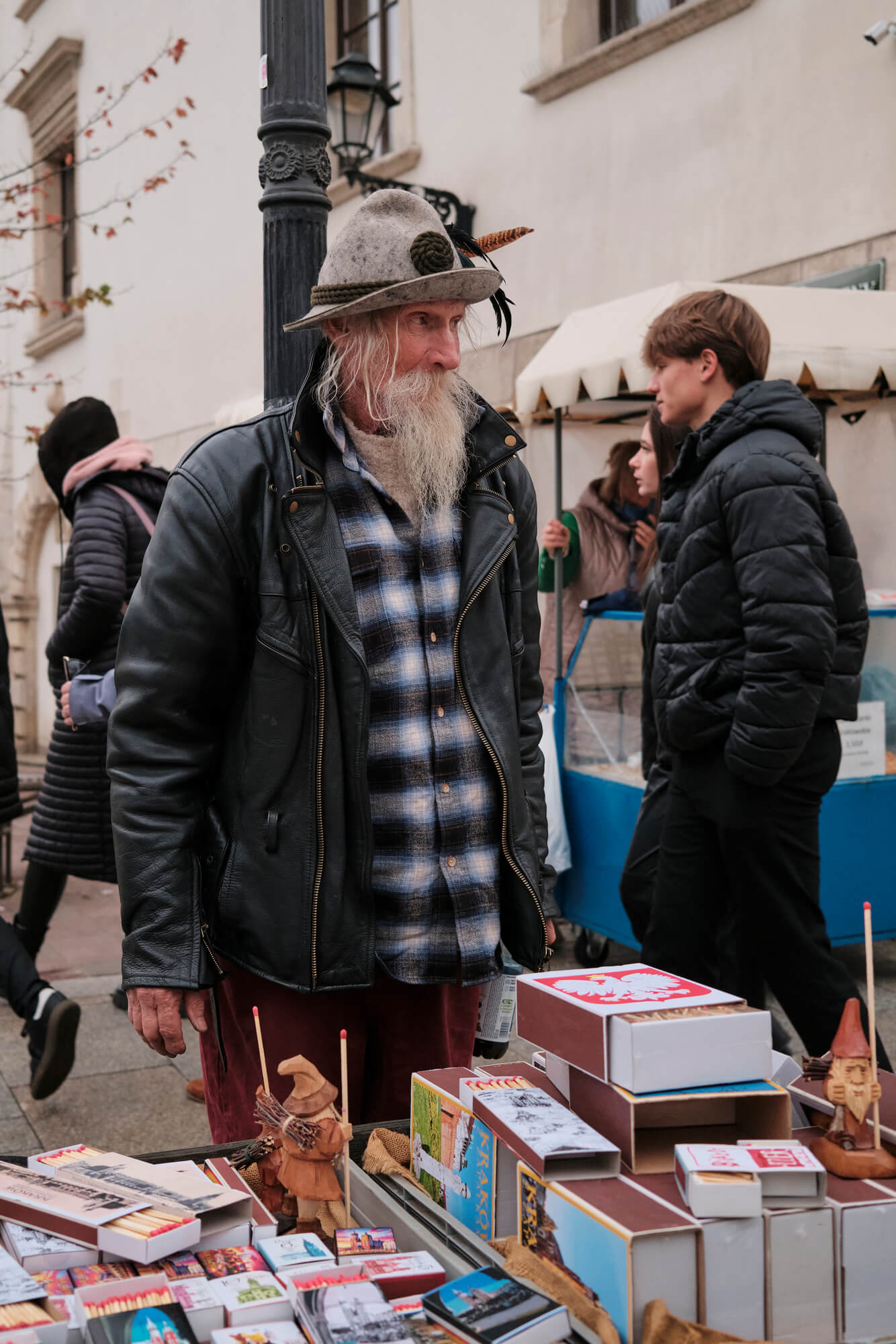
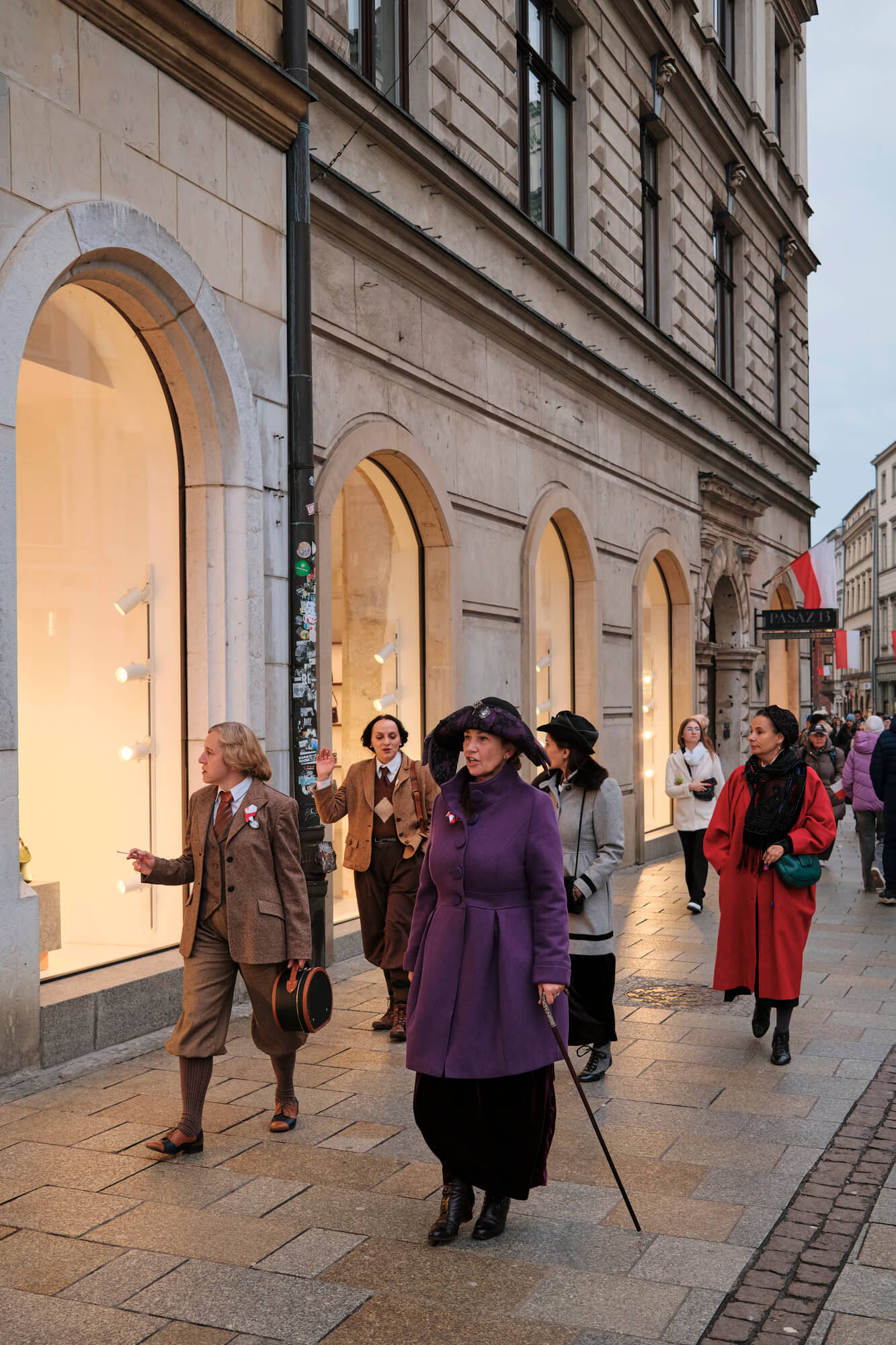
But just as with other beautiful ideas, different people see it differently. For some, independence goes hand in hand with égalité, fraternité, liberté. For others, bears exclusive cultural, historical, or ethnic roots. For a few — it’s a reason of state.
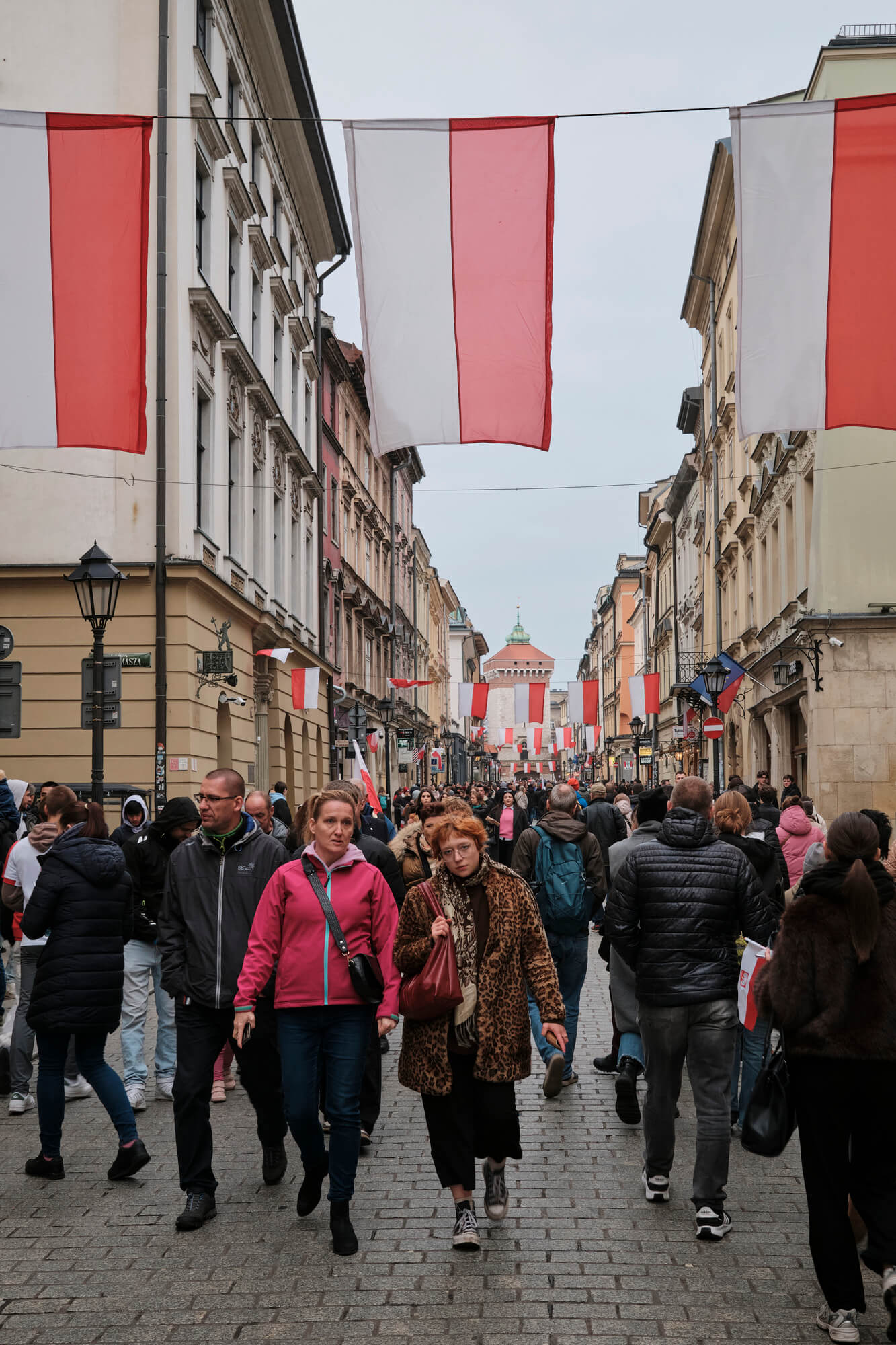

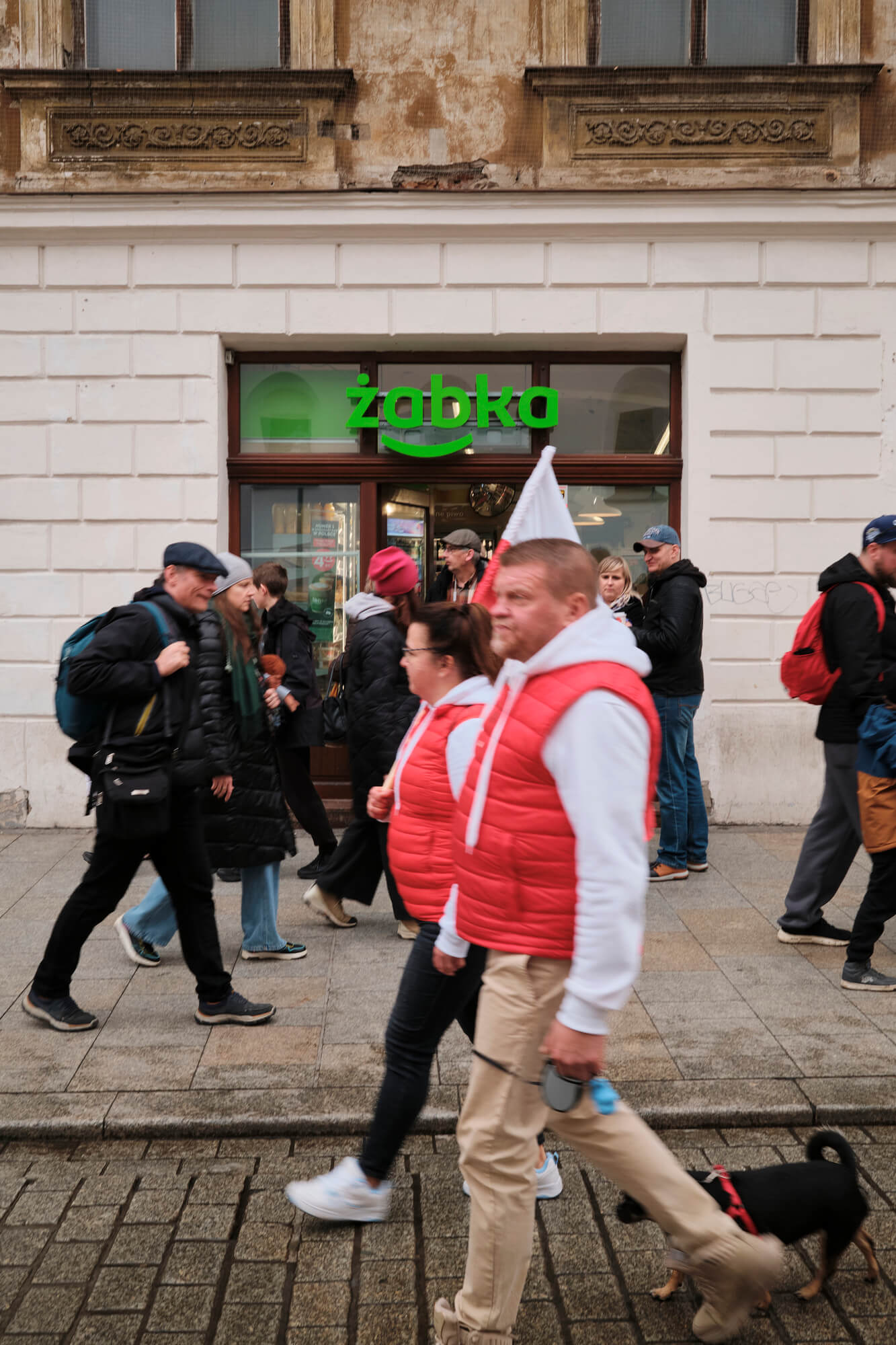
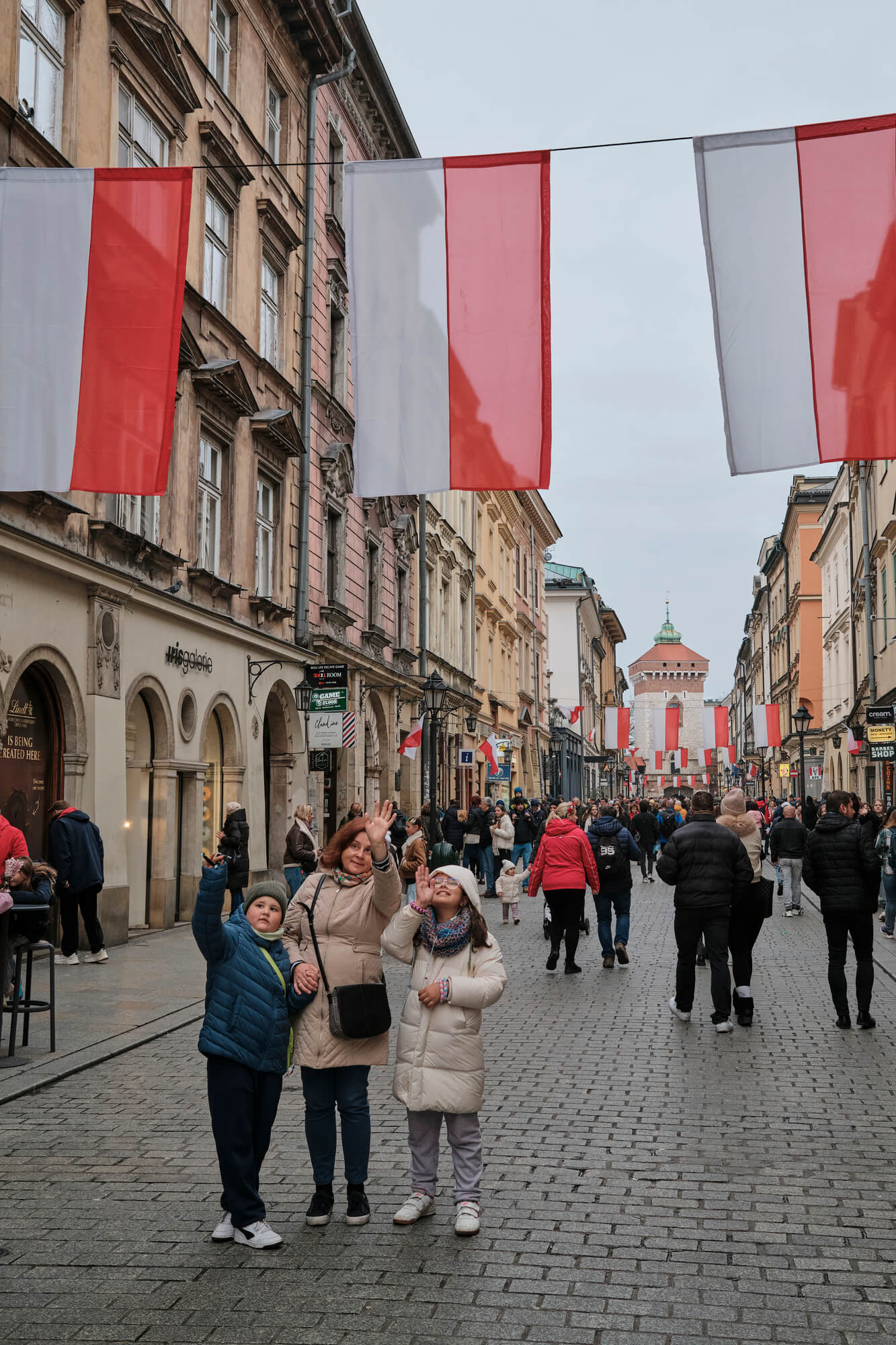
Such competition can be healthy, since it invokes pluralism and political diversity. But if a date that’s supposed to celebrate unity becomes an act of cold civil war over the national flag — that may well be a symptom of a very deep social rift.

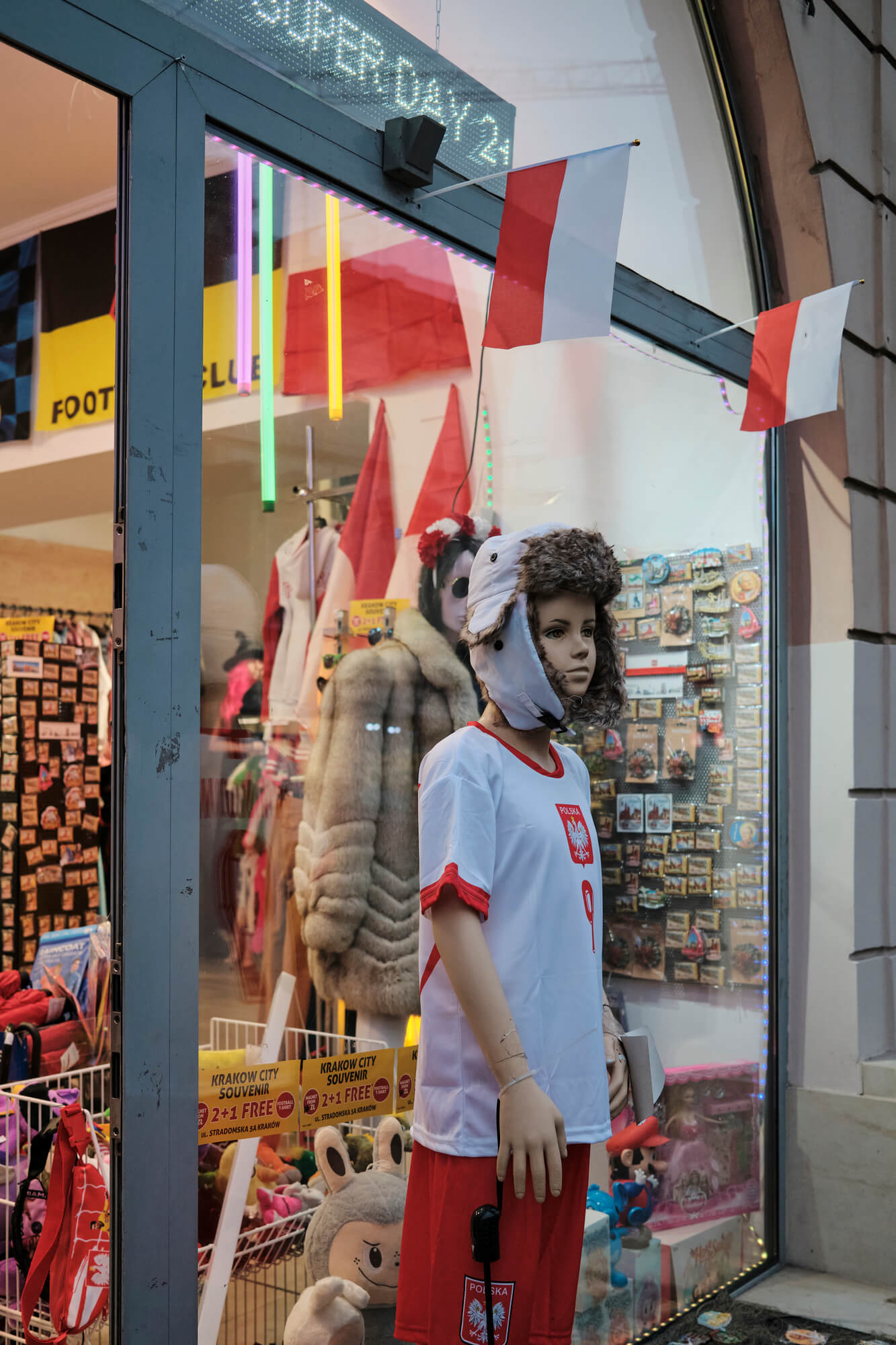
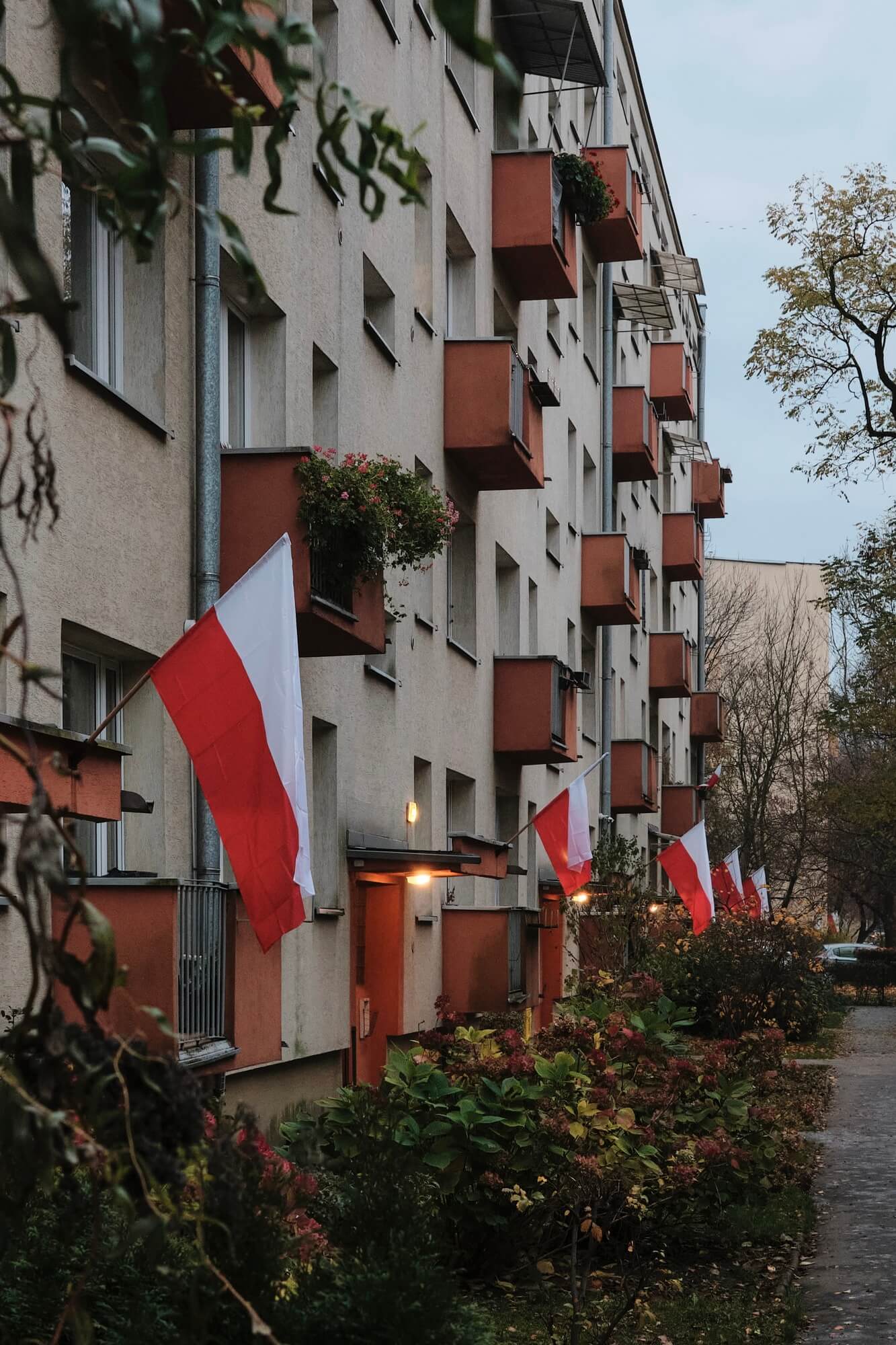
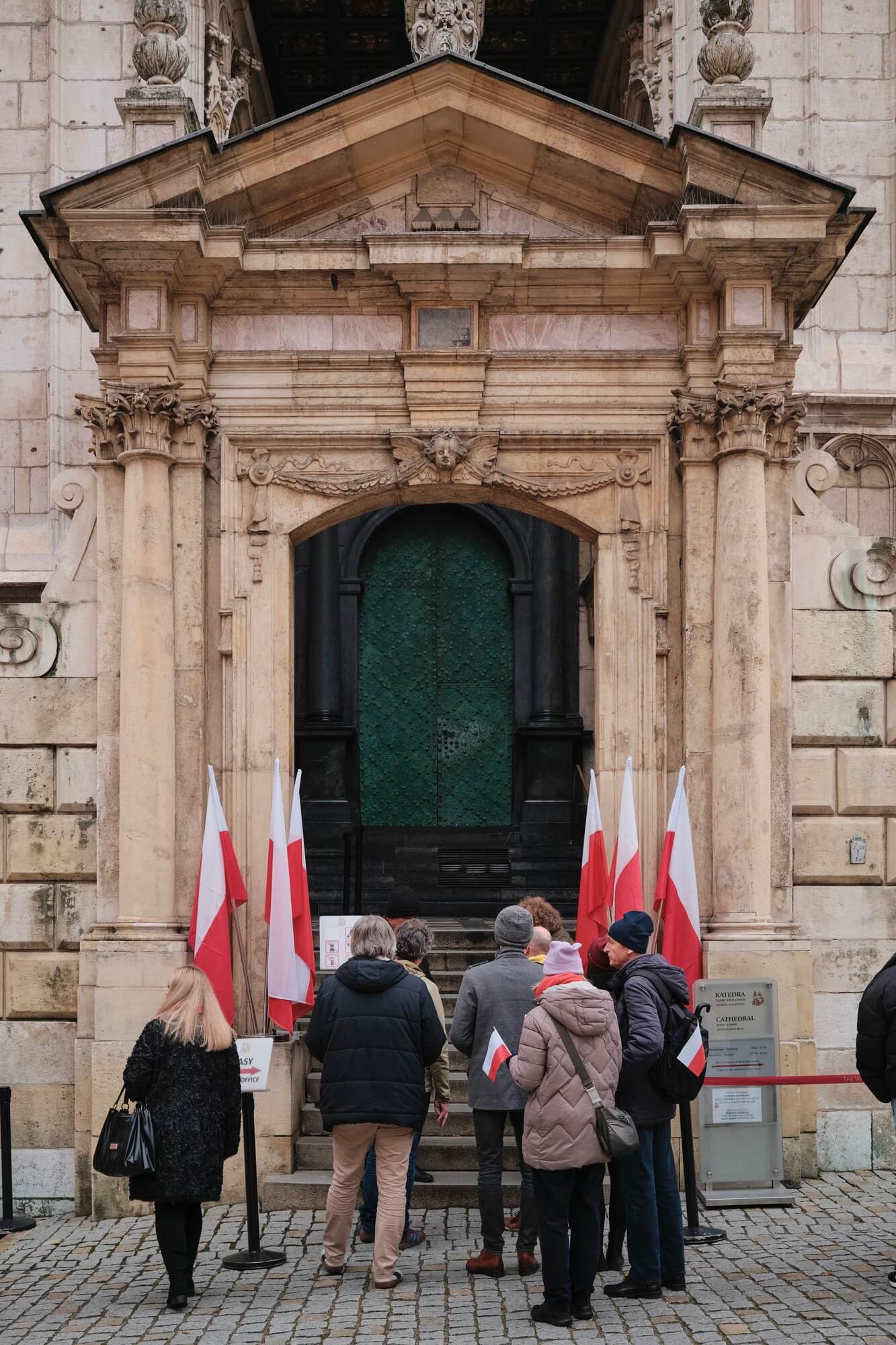
I love Poland and wish it to remain independent — from both external oppression and internal divisions caused by whoever wants to appropriate and turn its national pride into an ideological weapon, excluding other cultures, religions, and political views.
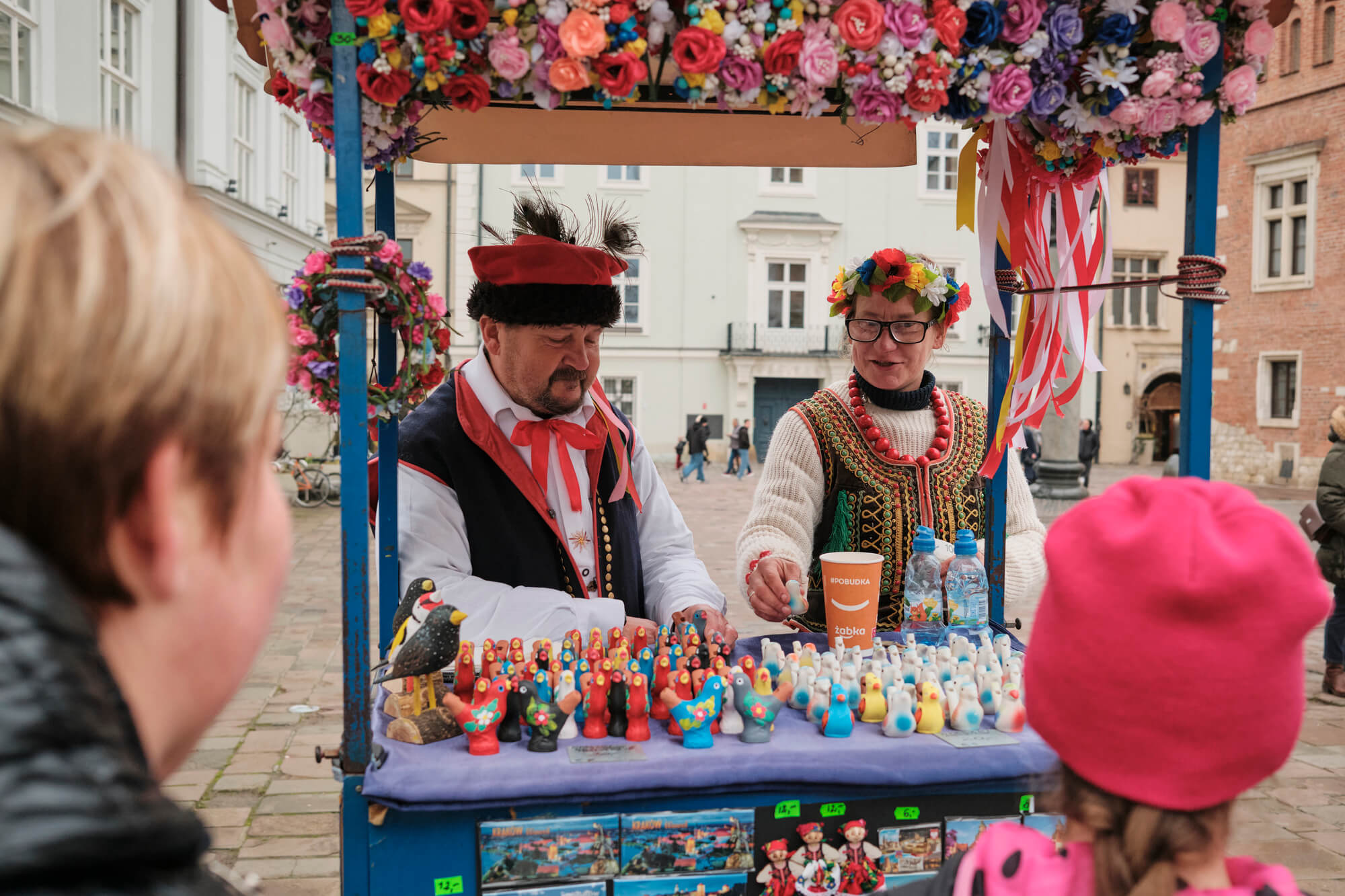
Niech żyje Polska 🫶